Museums and culture
In Dubai, culture means Old Dubai, with the Al Fahidi quarter and Al Shindagha Museum, the Etihad Museum on the birth of the UAE in 1971, and the galleries of Alserkal Avenue. In Egypt, Cairo has three major museums, including the Grand Egyptian Museum; in Morocco, Marrakesh and Fez keep their medinas and art museums; in Oman, Muscat has the Grand Mosque, the National Museum and the Royal Opera House, and the interior its forts, including Bahla, a UNESCO site. In Tunisia, Tunis and Carthage, Kairouan and the amphitheatre of El Jem can be visited while staying in medina houses. In Turkey, Istanbul has Hagia Sophia, Topkapı Palace and the palaces of the Bosphorus, while Cappadocia, Ephesus, Konya and Ankara can be visited while staying in historic houses or cave hotels.
Hotels chosen by Sabaro
Dubai
 Al Seef Heritage Hotel DubaiOld Dubai: Deira, Al Fahidi and the Creekfrom 143 € per nightArmani Hotel DubaiDowntown Dubai, Burj Khalifa and Business Bayfrom 767 € per night
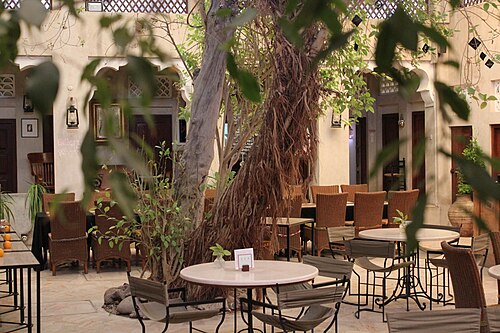 XVA Art HotelOld Dubai: Deira, Al Fahidi and the Creekfrom 183 € per night
Egypt
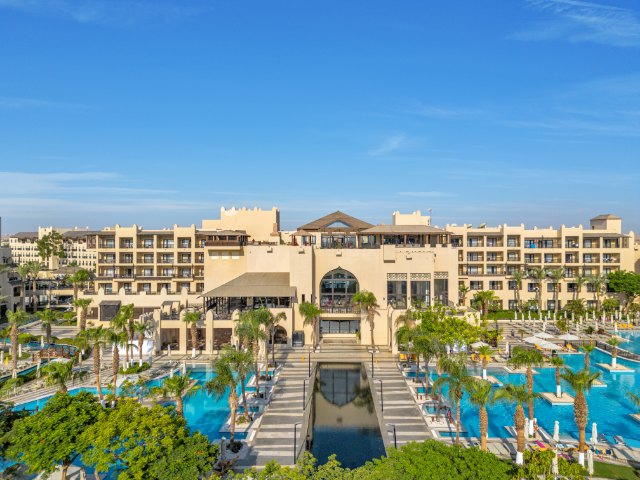 Steigenberger Aqua MagicHurghada, Makadi and Sahl Hasheeshfrom 196 € per night
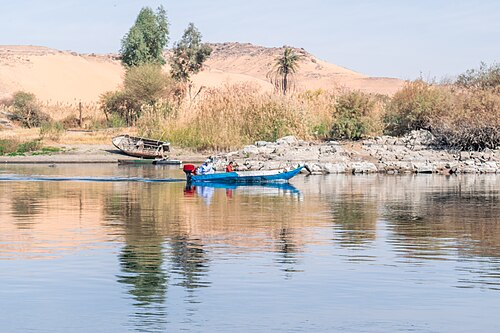 Benben by DharaAswan and Abu Simbelfrom 99 € per nightSofitel Cairo Nile El GezirahCairo and GizaPrice on requestSteigenberger Nile PalaceLuxorPrice on request
Morocco
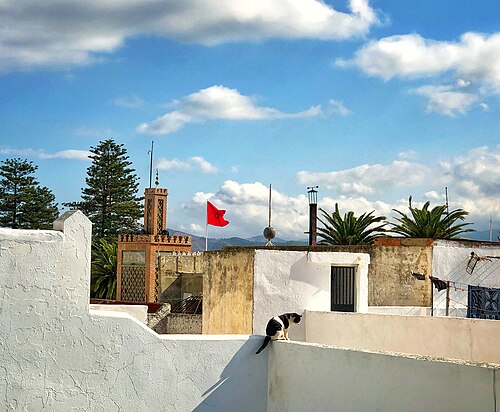 Blanco RiadTetouan and Tamuda Bayfrom 58 € per night
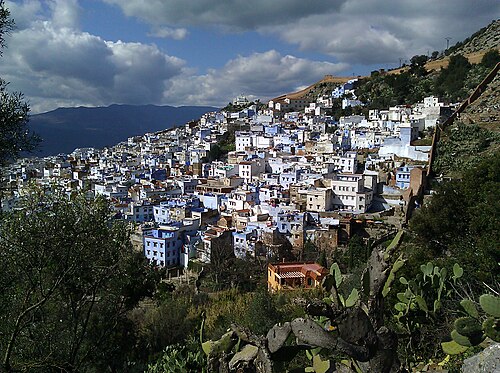 Dar EchchaouenChefchaouenPrice on request
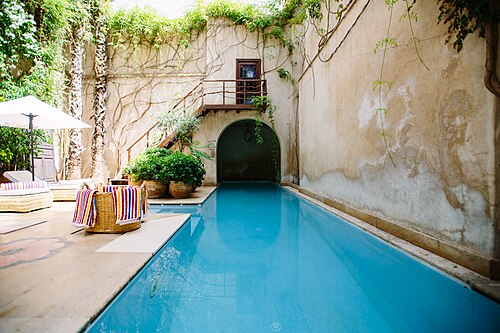 El FennMarrakeshfrom 710 € per night
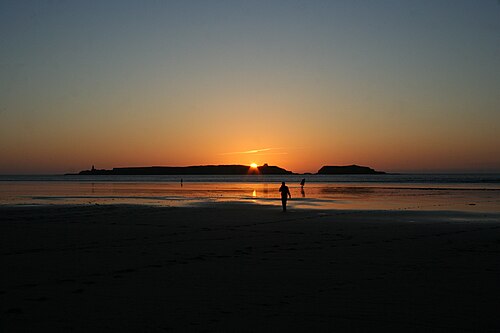 Heure Bleue PalaisEssaouirafrom 556 € per night
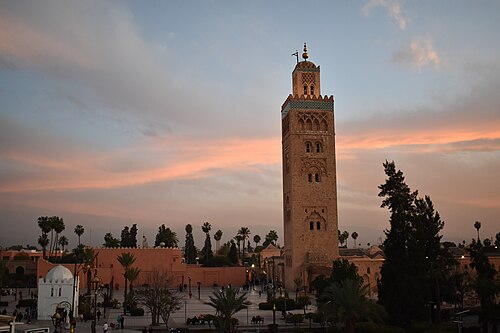 Les Jardins de la KoutoubiaMarrakeshfrom 385 € per night
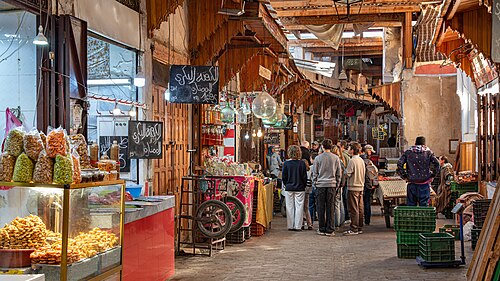 Karawan RiadFezfrom 267 € per night
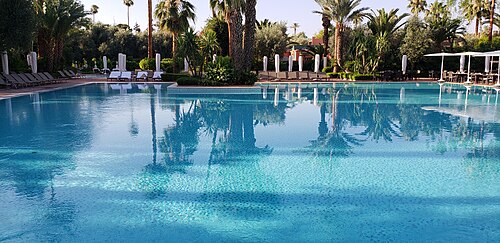 La MamouniaMarrakeshfrom 832 € per night
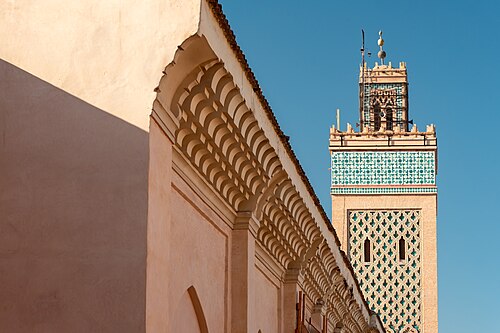 La Sultana MarrakechMarrakeshfrom 915 € per night
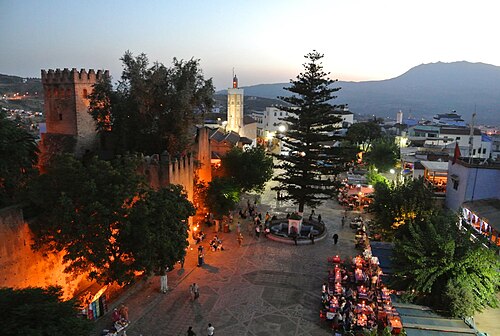 Lina Ryad & SpaChefchaouenfrom 250 € per night
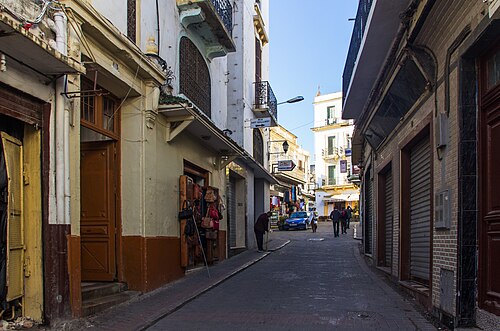 Palais ZahiaTangierfrom 117 € per night
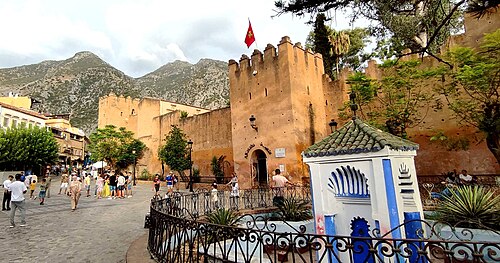 Hotel Riad CherifaChefchaouenPrice on request
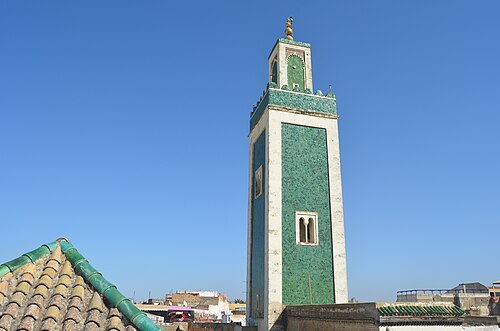 Riad El MaMeknes and Volubilisfrom 59 € per night
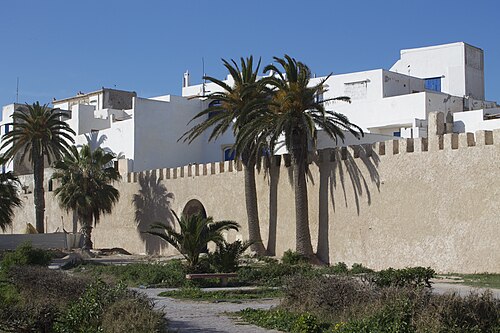 Riad EspritBleuEssaouirafrom 150 € per night
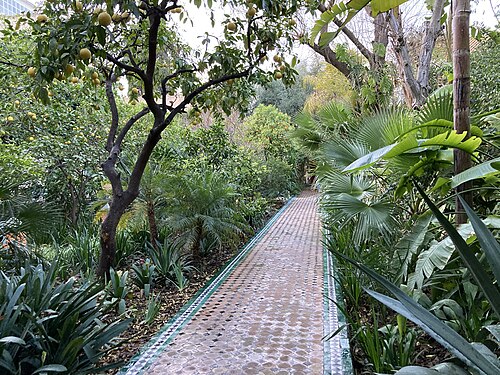 Riad FèsFezfrom 307 € per night
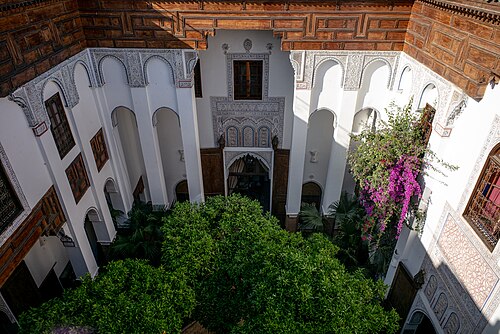 Riad LaaroussaFezfrom 142 € per night
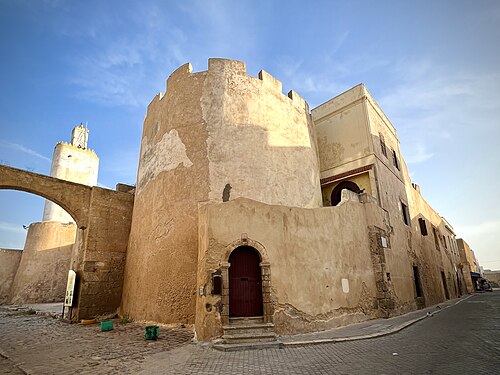 Riad Soleil d'OrientEl Jadida and Oualidiafrom 95 € per night
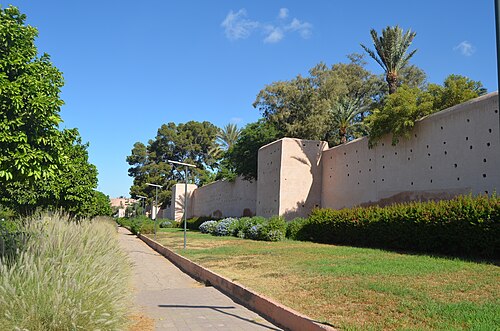 Royal Mansour MarrakechMarrakeshfrom 2,754 € per night
Oman
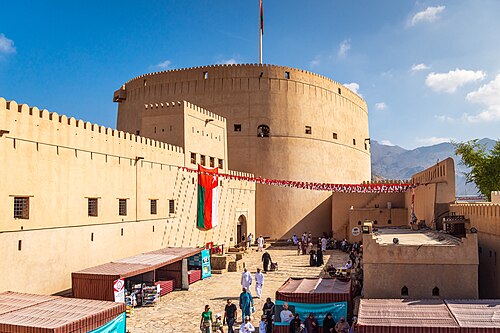 Antique InnNizwa, Bahla and Jabreenfrom 101 € per night
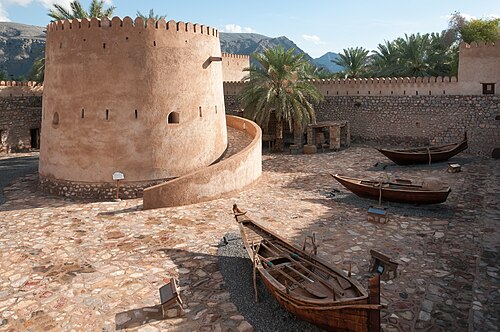 Atana Musandam ResortMusandam: Khasab and the fjordsPrice on request
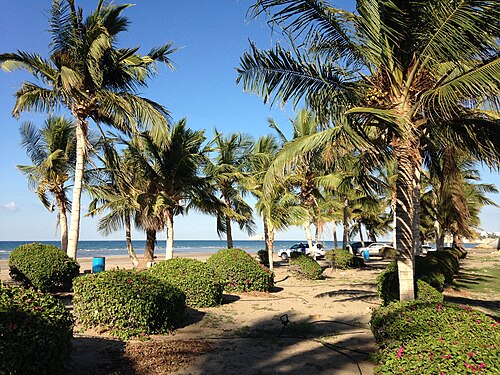 W MuscatMuscat: old town, Muttrah Souq and beachesfrom 404 € per night
Tunisia
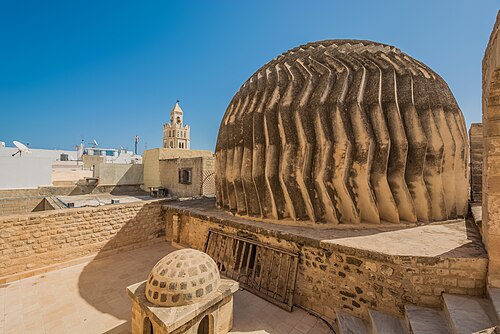 Dar AntoniaSousse and Port El Kantaouifrom 83 € per night
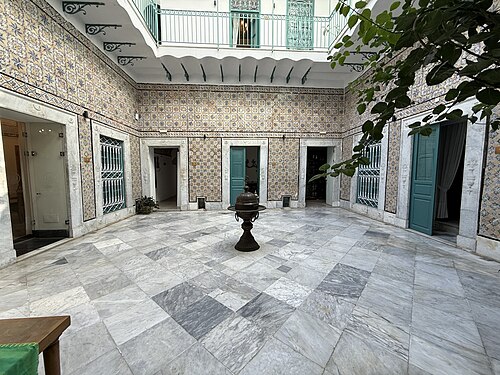 Dar Ben GacemTunis, the medina and the Roman sitesfrom 104 € per night
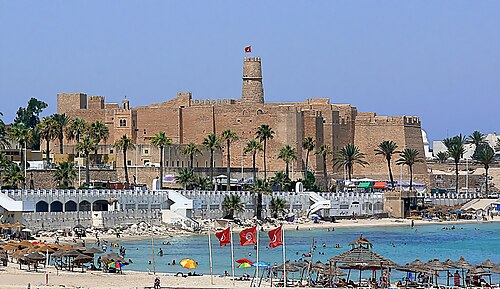 Dar BentiMonastirPrice on request
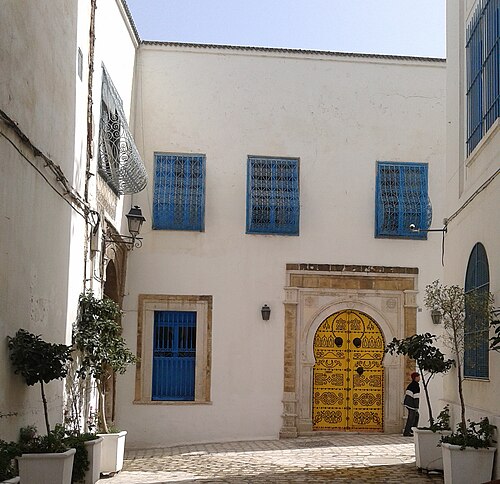 Dar El Jeld Hôtel & SpaTunis, the medina and the Roman sitesPrice on request
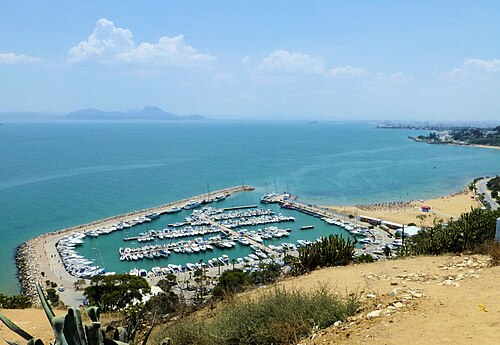 Maison DedineCarthage, Sidi Bou Said and Gammarthfrom 280 € per night
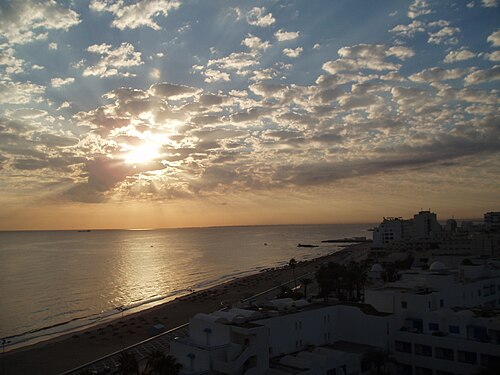 Mövenpick Resort & Marine Spa SousseSousse and Port El Kantaouifrom 121 € per night
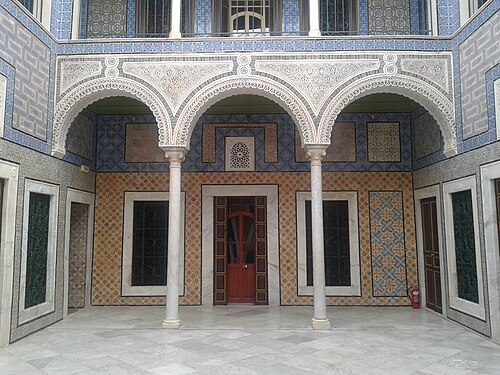 Palais BayramTunis, the medina and the Roman sitesfrom 147 € per night
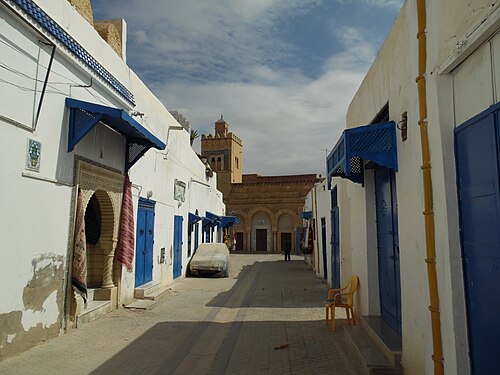 Palais HarranKairouanPrice on request
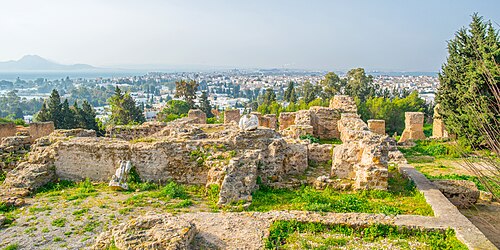 Villa Didon CarthageCarthage, Sidi Bou Said and Gammarthfrom 217 € per night
Turkey
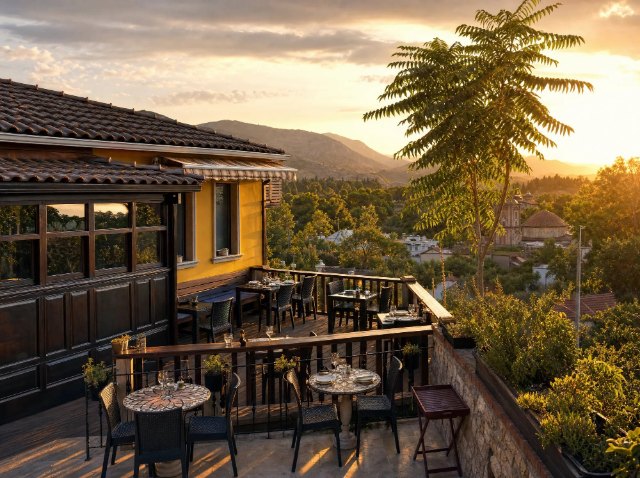 Ayasoluk Butik OtelEphesus, Selçuk and Şirincefrom 106 € per night
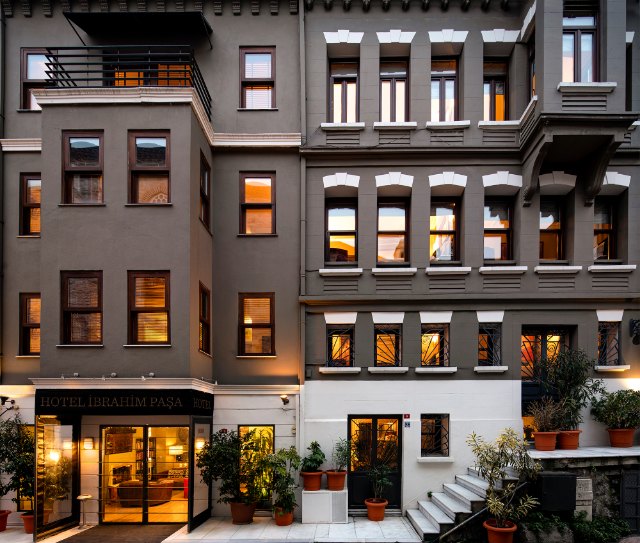 Hotel Ibrahim PashaIstanbul, the historic peninsulafrom 243 € per nightAJWA SultanahmetIstanbul, the historic peninsulafrom 340 € per night
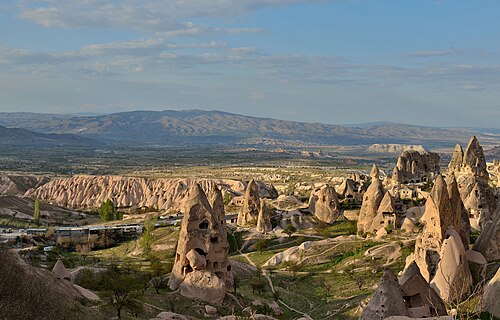 Argos in CappadociaCappadociafrom 612 € per nightAsude KonakGaziantep and Şanlıurfafrom 49 € per night
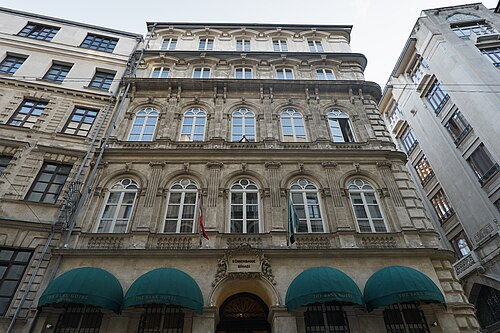 The Bank Hotel IstanbulIstanbul, Pera, Galata and the Golden Hornfrom 230 € per night
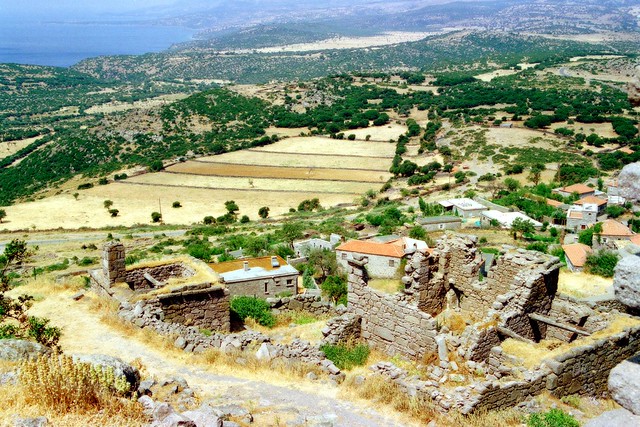 Biber EviAssos, Troy and the DardanellesPrice on requestCasa Sur AntalyaAntalya and Kaleiçifrom 218 € per night
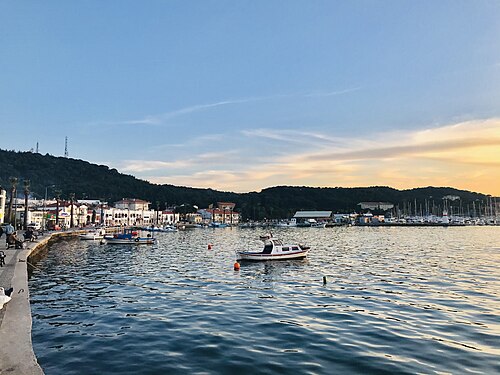 CavlıHane 1885Ayvalık, Cunda and PergamonPrice on request
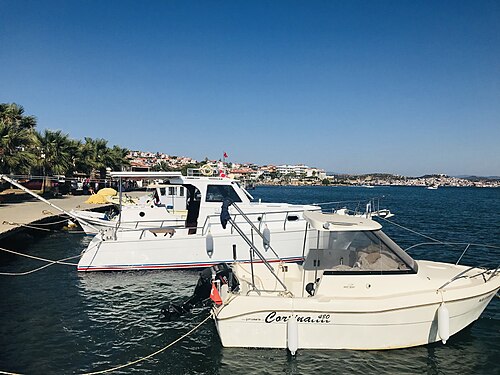 Cunda Despot EviAyvalık, Cunda and PergamonPrice on request
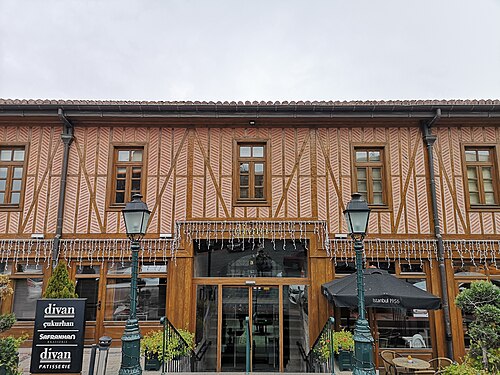 Divan ÇukurhanAnkara, Hattusa and Safranbolufrom 144 € per night
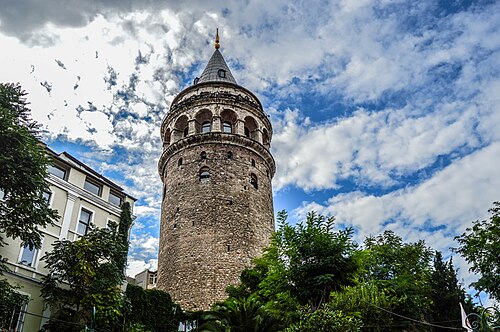 Ecole St. Pierre HotelIstanbul, Pera, Galata and the Golden Hornfrom 389 € per nightExedra Hotel CappadociaCappadociafrom 146 € per night
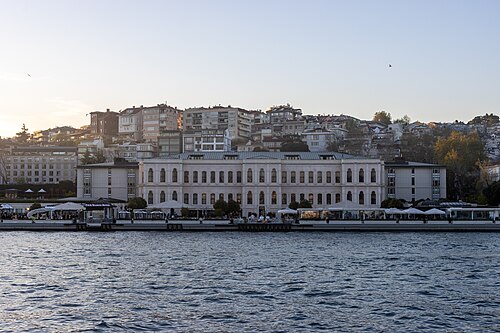 Four Seasons Hotel Istanbul at the BosphorusIstanbul, the Bosphorusfrom 1,257 € per night
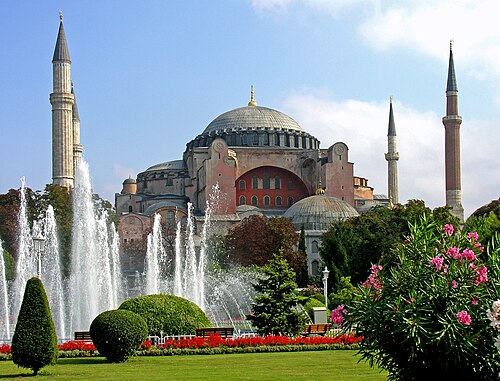 Four Seasons Hotel Istanbul at SultanahmetIstanbul, the historic peninsulafrom 984 € per night
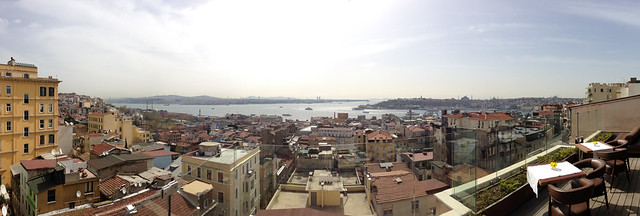 Georges Hotel GalataIstanbul, Pera, Galata and the Golden Hornfrom 464 € per night
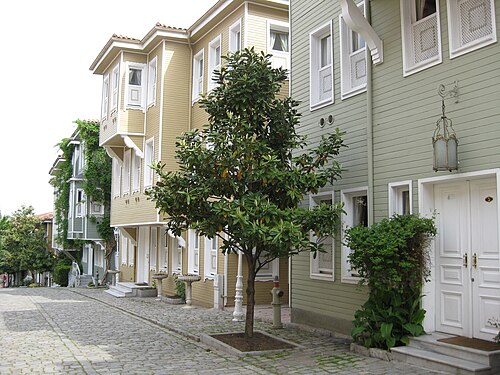 Hagia Sofia Mansions Istanbul, Curio Collection by HiltonIstanbul, the historic peninsulafrom 274 € per nightHezen Cave HotelCappadociafrom 170 € per nighthich hotel konyaKonyafrom 315 € per night
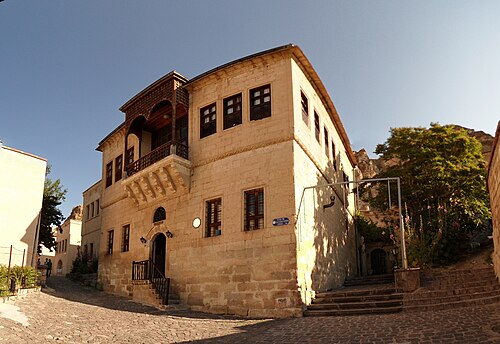 Kayakapı Premium CavesCappadociafrom 280 € per night
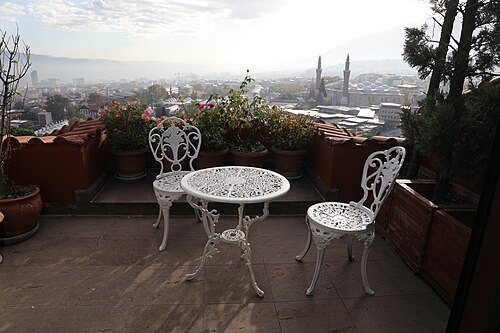 Kitap Evi OtelBursa and Uludağfrom 150 € per night
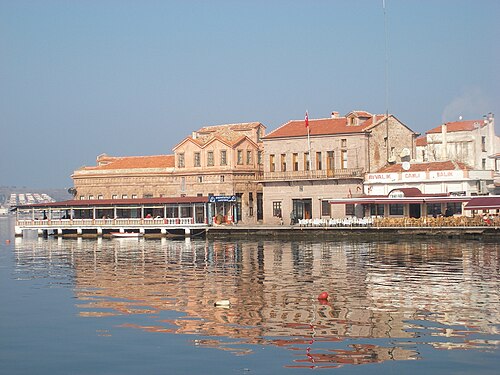 Olea LeyaAyvalık, Cunda and PergamonPrice on request
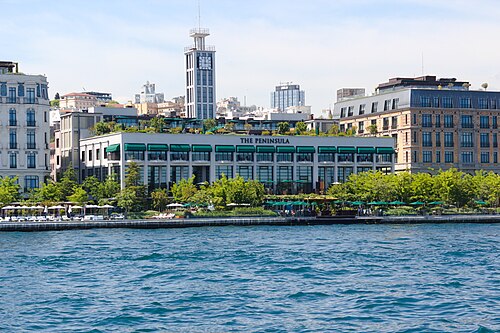 The Peninsula IstanbulIstanbul, Pera, Galata and the Golden Hornfrom 1,188 € per night
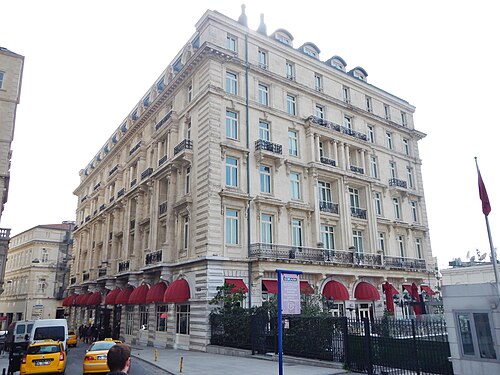 Pera Palace HotelIstanbul, Pera, Galata and the Golden Hornfrom 352 € per nightThe Rupestral HouseCappadociafrom 143 € per nightSacred HouseCappadociafrom 277 € per night
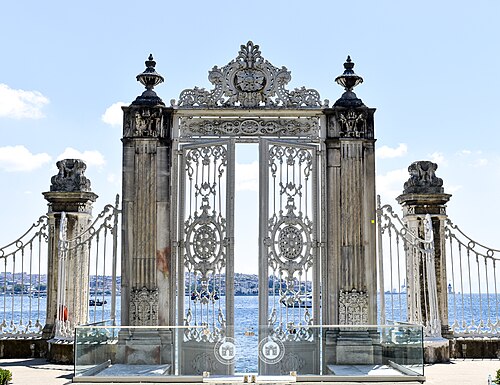 Shangri-La Bosphorus, IstanbulIstanbul, the Bosphorusfrom 543 € per nightTafoni Houses Cave HotelCappadociafrom 253 € per nightTaşkonaklarCappadociafrom 297 € per night
Regions
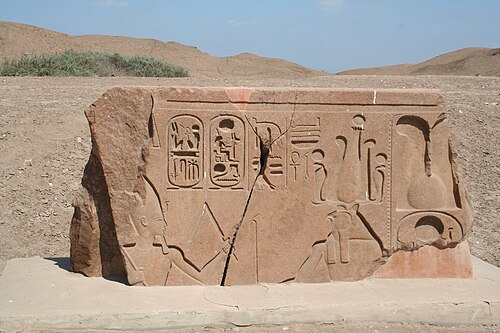
For a trip built around museums and culture, Sabaro's destinations offer five distinct experiences. In Dubai, you follow the story of a city born of trade on the Creek, and discover a contemporary art scene concentrated in a few districts. In Egypt, you visit the greatest pharaonic collections. In Morocco, you stay inside World Heritage medinas, with their palaces and museums of arts and crafts. In Oman, you travel from fort to fort, from the capital to the oases of the interior. In Tunisia, you move from Carthage and the mosaics of the Bardo to the medinas of Tunis, Sousse and Kairouan.
Dubai: from the Creek to the galleries
Old Dubai on foot
The Al Fahidi Historical Neighbourhood in Bur Dubai keeps its late 19th-century houses with their wind towers; today they hold museums, galleries, cafés and artists' studios. The SMCCU (Sheikh Mohammed Centre for Cultural Understanding) welcomes visitors here over a meal and coffee to talk about Emirati life.
On the Creek, Al Shindagha Museum tells how the city grew up by the water and lived from maritime trade, through its multimedia journey "Dubai Creek: Birth of a City" and its Perfume House, devoted to Emirati scents. The same ticket covers the Saruq Al-Hadid Museum, which displays the Iron Age finds from the desert: iron tools, bronzes, beads and gold jewellery. Entry is AED 50 (UAE dirhams) for adults and AED 20 for ages 5 to 24.
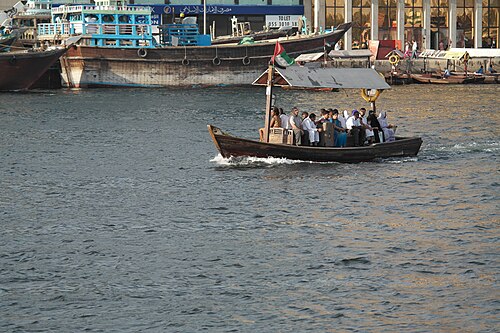
In Deira, near the Gold Souk, Bait Al Banat Women's Museum traces the lives of Emirati women, artists, activists and scholars, among them the poet Ousha bint Khalifa, born in 1920. It opens from 10 am to 6 pm local time, closed on Fridays; tickets cost AED 20. Our Old Dubai page plans the day, including a Creek crossing by abra, the public boat, for AED 1.
The nation's story and Jumeirah Mosque
The Etihad Museum in Jumeirah tells the story of the founding of the United Arab Emirates between 1968 and 1974. Its 25,000 m² site includes Union House, where the constitution was signed in 1971; the curved white roof, designed by Canadian architects Moriyama and Teshima, takes its shape from the document, and seven columns recall the pens used to sign it.
Jumeirah Mosque is the only mosque in Dubai open to non-Muslims, according to Visit Dubai, the city's tourist board. The SMCCU runs a 1 h 15 guided visit at 10 am and 2 pm daily except Friday, for AED 45, with no booking needed. Visitors cover arms and legs, and women wear a headscarf.
On the Creek, the Mohammed bin Rashid Library, shaped like a book rest, is the largest library in the region.
Contemporary art
Alserkal Avenue, in former warehouses in Al Quoz, gathers more than 70 galleries, studios, the independent Cinema Akil and cafés, one of the region's most densely packed cultural hubs according to Visit Dubai; its Quoz Arts Fest drew around 40,000 visitors in 2024. The Jameel Arts Centre, on the Jaddaf Waterfront by the Creek, shows contemporary art from the Middle East and beyond, with a sculpture park. The DIFC (Dubai International Financial Centre) and d3 (Dubai Design District) also have galleries. In Dubai Mall, the ARTE Museum devotes 2,800 m² to immersive digital art.
Dubai Opera in Downtown offers guided tours from around €20 per person.
The calendar
- Dubai Design Week, 3 to 8 November 2026, at Dubai Design District: exhibitions, talks and the Downtown Design fair.
- Art Dubai, 9 to 11 April 2027, at Madinat Jumeirah: the international contemporary art fair.
What is closed in 2026-2027
The Museum of the Future is closed, with reopening announced for the first quarter of 2027. The Burj Al Arab, closed for restoration until around October 2027, cannot be visited. Sabaro checks each site's status at the time of booking; our guide Dubai and the regional situation sums up the advice of European governments.
Staying close to it all
Three hotels in Sabaro's selection have a direct link with culture. XVA Art Hotel, fifteen rooms in an old wind-tower house in Al Fahidi that became a hotel in 2003, has its own art gallery. Al Seef Heritage Hotel occupies traditional Emirati-style buildings on the Al Seef promenade by the Creek. Palace Downtown, an Arabian-style palace hotel, is within walking distance of Dubai Opera.
Louvre Abu Dhabi, the universal museum designed by Jean Nouvel, is about 1 h 30 by road from Dubai, which a free shuttle, the Cultural Express, links to the museum.
Egypt: Cairo's three museums, and beyond
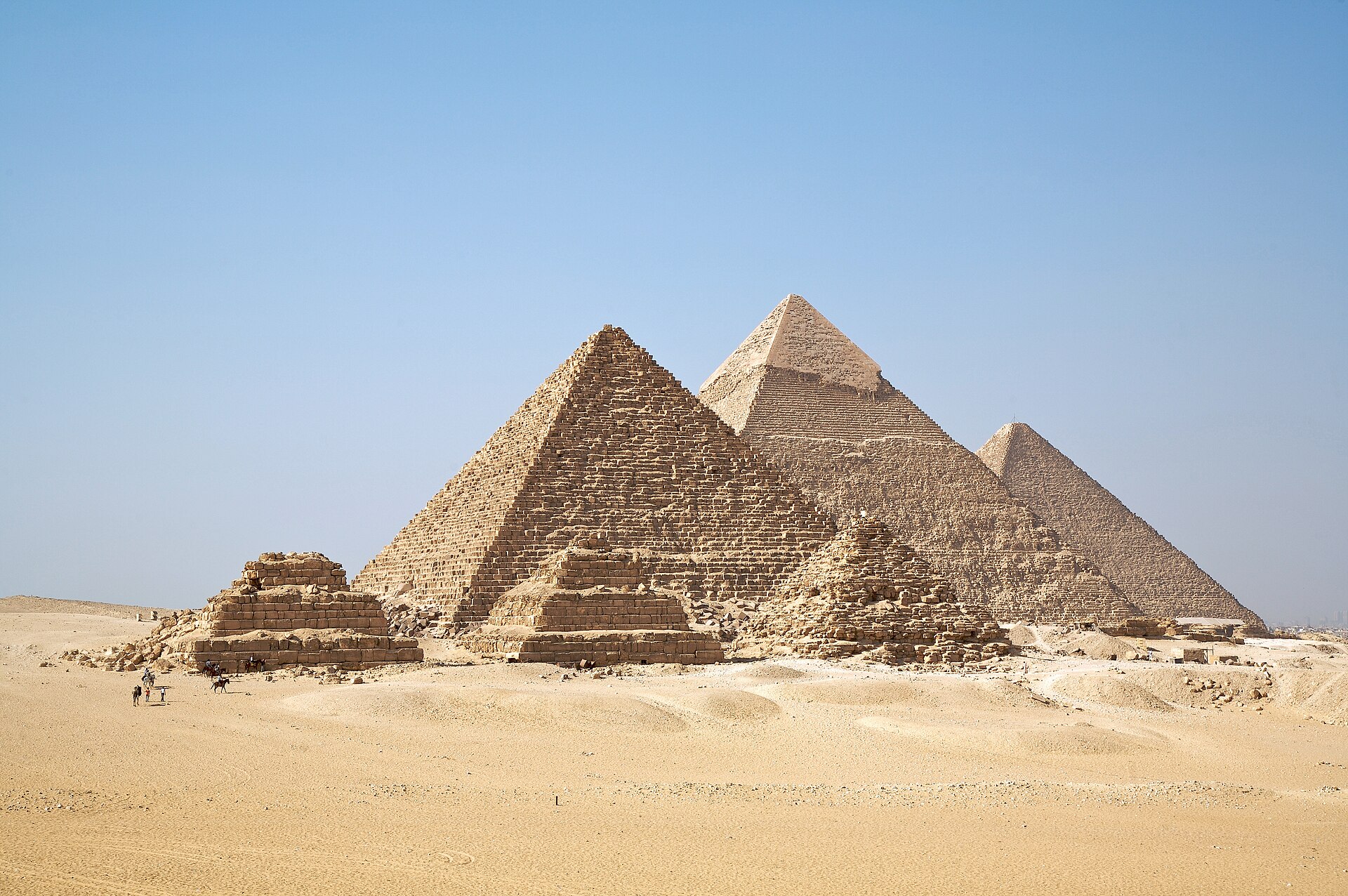
In Cairo, it takes three museums to see everything. Sabaro suggests the Grand Egyptian Museum on the same day as the pyramids next door, and the other two together with downtown and Old Cairo.
- The Grand Egyptian Museum, about 2 km from the pyramids of Giza, opened to the public on 4 November 2025. It shows Tutankhamun's treasure in full, more than 5,000 objects, and the Khufu boats. Entry costs 1,450 Egyptian pounds for a foreign adult, with a booked time slot; our guide Visiting the Grand Egyptian Museum explains how.
- The Egyptian Museum on Tahrir Square holds around 170,000 objects, including the treasures of Tanis and of Yuya and Tuya, Tutankhamun's ancestors.
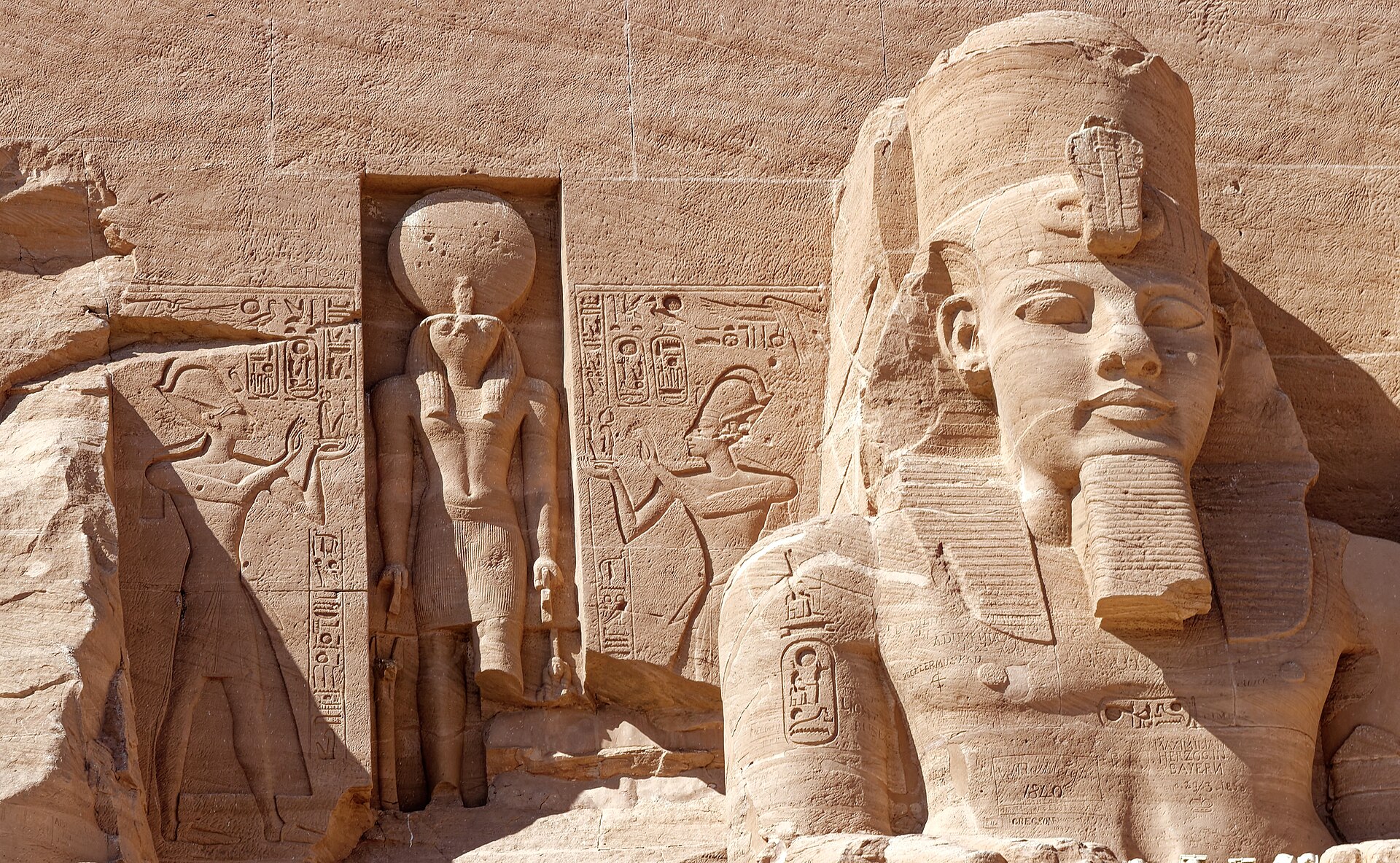
- The National Museum of Egyptian Civilization, in Fustat, displays twenty-two royal mummies, including Ramesses II and Hatshepsut; it also opens in the evening, until 9 pm local time.
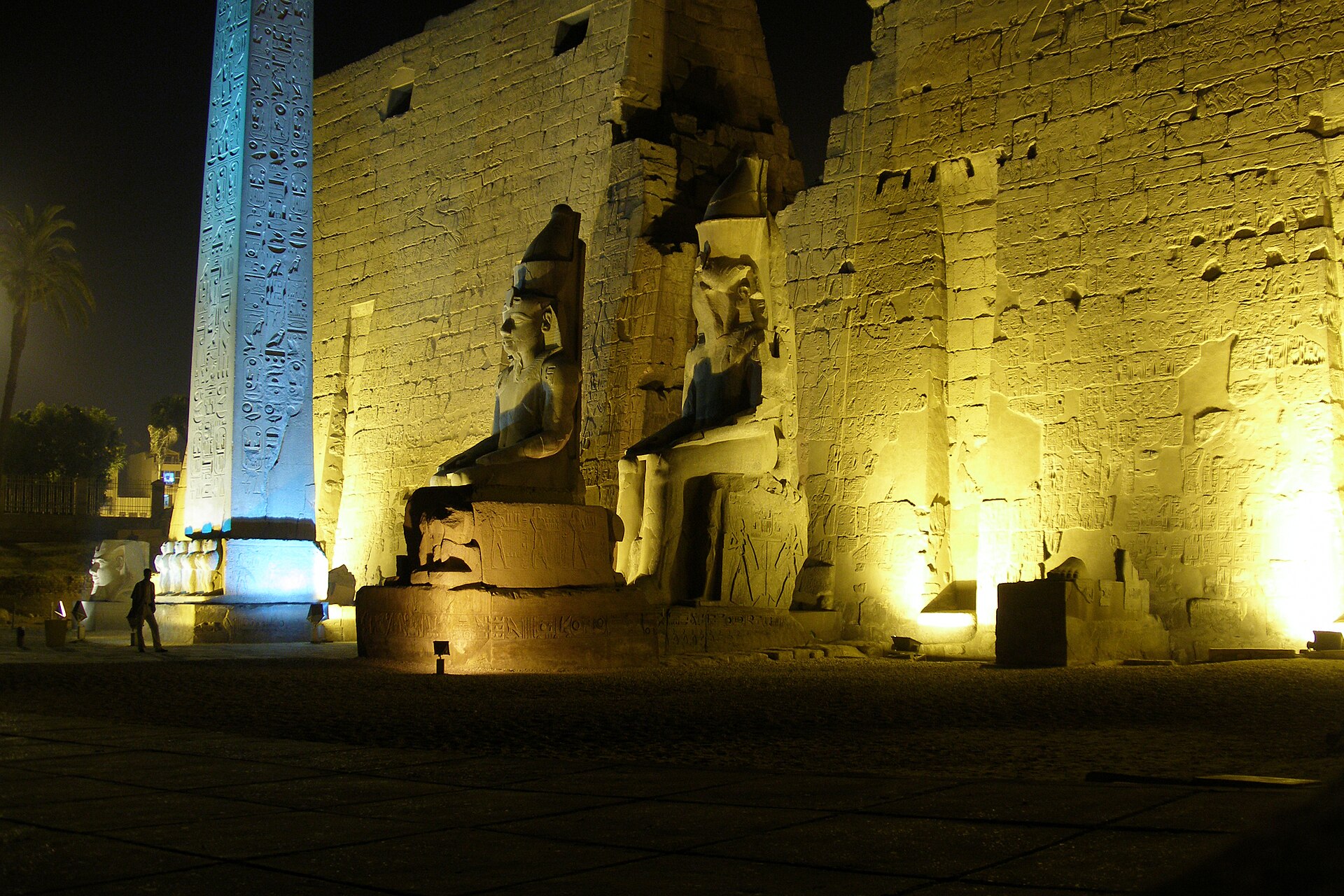
Old Cairo adds the Coptic Museum, opened in 1910, with some 16,000 pieces. In Alexandria, the Graeco-Roman Museum reopened in October 2023 with around 10,000 objects, not far from the Bibliotheca Alexandrina, opened in 2002. In Luxor, the city's museum fits into the early afternoon, between Karnak and Luxor Temple. Our Cairo and Giza page has opening hours and tickets.
Morocco: medinas, palaces and art museums
- In Marrakesh, the Majorelle Garden and the Yves Saint Laurent Museum can only be booked online, and the museum closes on Wednesdays; inside the garden, the Pierre Bergé Museum is devoted to Berber arts.
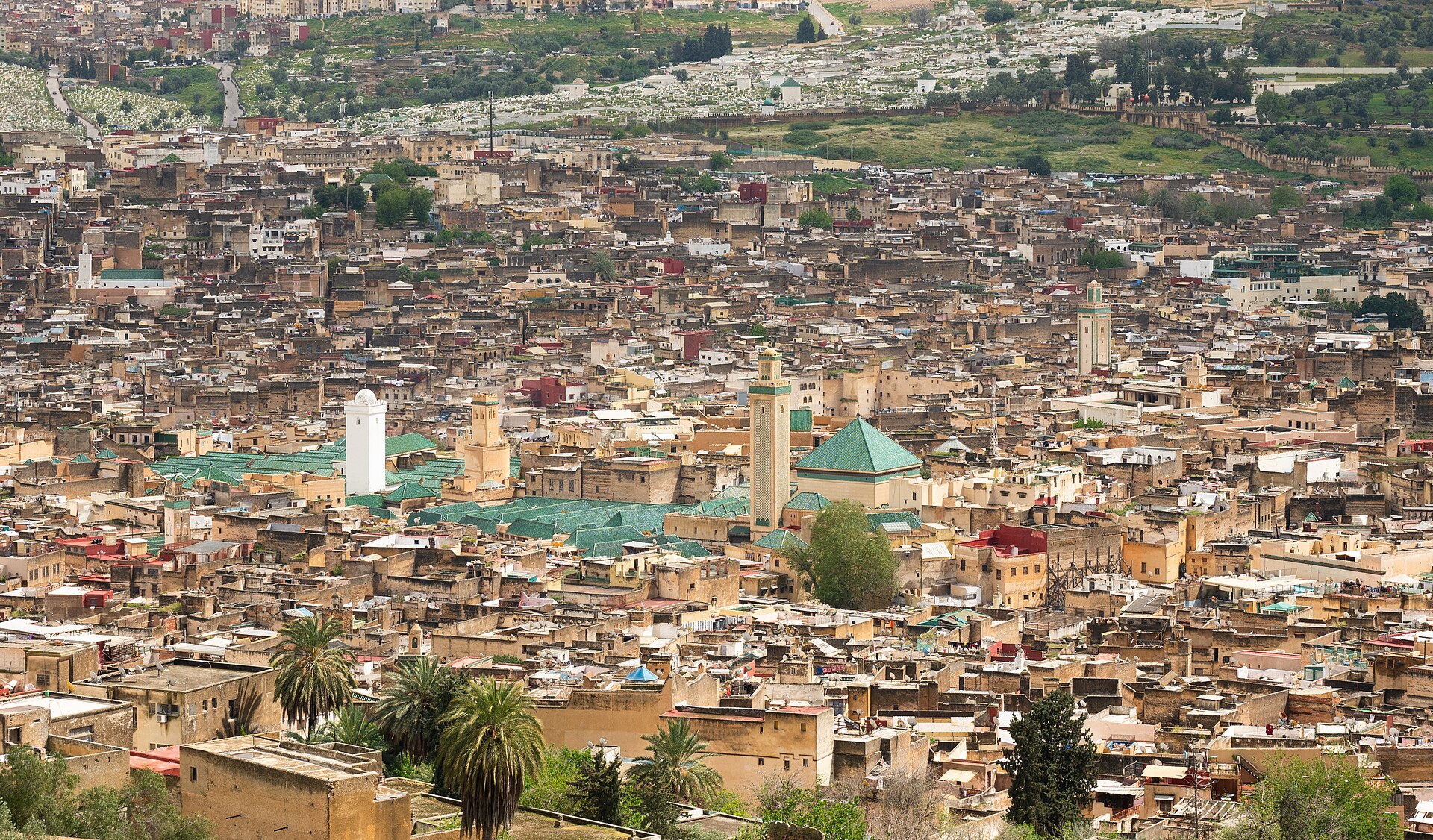
- In Fez, the Fez el-Bali medina, "an outstanding example of a living historic city" in UNESCO's words, is best visited with a guide, from the Bou Inania madrasa to the Nejjarine Museum of wooden arts, set in a fondouk, an old merchants' inn.
- In Rabat, the new town has the Mohammed VI Museum of Modern and Contemporary Art and the archaeological museum.
Oman: the Grand Mosque, the forts and the aflaj
In Muscat, two days. Start with the Sultan Qaboos Grand Mosque, opened in 2001, for a practical reason: non-Muslims may enter from Saturday to Thursday, 8 to 11 am local time, with shoulders and knees covered, and hair covered for women; entry costs 8 OMR (Omani rials). In Old Muscat, the National Museum, opened in 2016, shows more than 7,000 objects in fourteen galleries, from Saturday to Thursday 10 am to 5 pm and on Friday 2 to 6 pm local time; 5 OMR. Al Mirani Fort, open until midnight, is an evening visit. The Royal Opera House, opened in 2011 as the first opera house in the Gulf, can be toured by day and programmes opera, ballet and Arab and Omani music. The Grand Hyatt, on Shatti Al Qurum, is a quarter of an hour from Muttrah.
In Nizwa, the fortresses. An hour and forty minutes from the airport, the former capital keeps a 17th-century round fort, 34 m high. Further on, 2 hours from the airport, Bahla Fort was Oman's first UNESCO World Heritage site, in 1987, with its oasis enclosed by 12 km of walls; Jabreen Castle, built in 1675, is known for its painted ceilings. Stay at the Antique Inn, 300-year-old earthen houses a few minutes from the fort, or near Al Hamra at The View, for the Bait Al Safa living museum.
The aflaj and Qalhat. Aflaj are irrigation channels that carry water to the villages by gravity; five of them have been UNESCO-listed since 2006, including the Al Khatmeen falaj at Birkat al Mouz, at the foot of the Jebel Akhdar. On the road to Sur, the ancient city of Qalhat, inscribed in 2018, keeps the early 14th-century mausoleum of Bibi Maryam.
In the south, the Land of Frankincense, a UNESCO site, brings together four sites in Dhofar, including the medieval port of Al Baleed in Salalah; some foreign ministries advise against travel to the area, and the Salalah page gives your country's advice. Everywhere, ask before photographing anyone, and do not photograph public buildings or military sites.
Tunisia: Carthage, the Bardo and the medinas
Tunis, two or three days. The medina, a World Heritage Site since 1979, is explored on foot, with its souks and palaces; the Bardo Museum holds its Roman mosaics. Three houses let you stay inside it: Dar Ben Gacem, 15 rooms in two restored mansions, whose profits fund the restoration of the medina's heritage; Dar El Jeld, 16 suites between the Kasbah and the entrance to the souks; and the Palais Bayram, an 18th-century palace near the Zitouna Mosque.
Carthage. The ruins, listed by UNESCO in 1979, spread along the coast north of Tunis, next to Sidi Bou Said. The Villa Didon overlooks the Punic ports from Byrsa Hill.
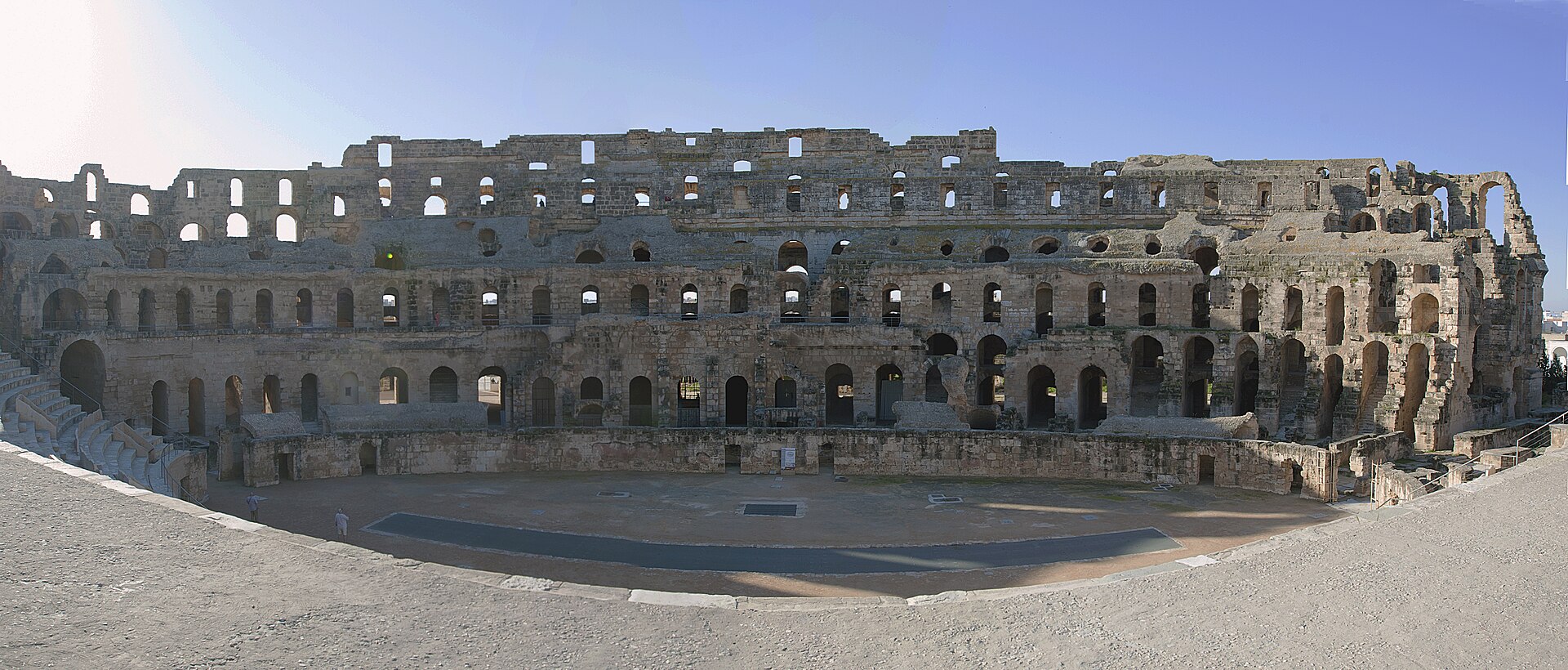
The Sahel and Kairouan. The medinas of Sousse and Kairouan have been listed since 1988; Kairouan, founded in 670, is the leading holy city of the Maghreb, and its Great Mosque closes at 2 pm local time. The amphitheatre of El Jem, listed in 1979, is 43 km from Mahdia. Stay at the Palais Harran in Kairouan, at Dar Antonia in the medina of Sousse, or at Dar Benti, near the ribat of Monastir, founded in 795-796.
Tickets. Since 1 April 2026, foreign visitors pay 30 Tunisian dinars (about €9) at the Bardo and 20 dinars (about €6) at Carthage, El Jem and the monuments of Kairouan. From 1 January 2027, the Bardo rises to 45 dinars (about €13) and the other three sites to 30 dinars. The guide Sites and museums in Tunisia gives prices and opening hours.
Turkey: Istanbul, Cappadocia and the ancient cities
Istanbul, three days. The historic peninsula, listed by UNESCO in 1985, brings together Hagia Sophia, the Blue Mosque, Topkapı Palace, the Basilica Cistern and the Grand Bazaar, a few minutes' walk from one another. The Four Seasons Sultanahmet, in a former prison of 1918-1919, and Hagia Sofia Mansions, spread over 17 historic houses, are a few steps from Hagia Sophia. Across the Golden Horn, in Pera and Galata, the Pera Palace, opened in 1895 for Orient Express passengers, keeps Agatha Christie's room 411. On the Bosphorus, the Çırağan Palace occupies the palace built under Sultan Abdülaziz.
Cappadocia and Anatolia. In Cappadocia, Göreme National Park and the rock sites, listed in 1985, and the underground cities of Kaymaklı and Derinkuyu are visited from hotels carved into the tuff, such as the Museum Hotel, which displays Hittite, Roman, Seljuk and Ottoman objects. In Konya, the hich hotel adjoins the Mevlana Museum, mausoleum of the Sufi poet Rumi; in Ankara, the Divan Çukurhan, a former Ottoman caravanserai, faces the citadel.
The ancient cities of the Aegean. Ephesus, listed in 2015, is 3 km from Selçuk, where you can stay at the Cella Boutique Hotel or the Ayasoluk, a few minutes from the Basilica of St John. The acropolis of Pergamon is a 52-minute drive from Ayvalık, where Cunda Despot Evi occupies an 1862 building; Troy, listed in 1998, is visited from Assos.
Frequently asked questions
Which museums should I see in Dubai?
Al Shindagha Museum, with the Saruq Al-Hadid Museum, for the city's history; the Etihad Museum for the founding of the UAE; Bait Al Banat Women's Museum; and, for contemporary art, Alserkal Avenue and the Jameel Arts Centre. The Museum of the Future is closed until its reopening, announced for the first quarter of 2027.
Can I visit a mosque in Dubai?
Yes, Jumeirah Mosque, with an SMCCU visit at 10 am and 2 pm daily except Friday, for AED 45. Clothing covering arms and legs is required, and a headscarf for women.
What should I see in Oman for culture?
In Muscat, the Sultan Qaboos Grand Mosque, Saturday to Thursday 8 to 11 am local time, the National Museum and the Royal Opera House; inland, the forts of Nizwa and Bahla, UNESCO-listed in 1987, and Jabreen Castle, with its painted ceilings.
How much time do Cairo's museums need?
Allow up to four hours at the Grand Egyptian Museum, combined with the pyramids, then another day for the Tahrir Square museum and the Museum of Civilization, together with downtown and Old Cairo.
Where should I stay for a cultural trip to Dubai?
In Old Dubai: at XVA Art Hotel, an old Al Fahidi house with its gallery, or at Al Seef Heritage Hotel on the Creek, about 3 km from the gold and spice souks.
What should you see in Tunisia for culture?
The medina of Tunis and the Bardo Museum, the ruins of Carthage, the medina and Great Mosque of Kairouan, the medina of Sousse and the amphitheatre of El Jem. Allow two or three days for Tunis and Carthage.
What should you see in Turkey for culture?
Istanbul first: Hagia Sophia, the Blue Mosque, Topkapı Palace and the Grand Bazaar, in the UNESCO-listed old city. Then Cappadocia and its rock sites, Ephesus, Pergamon and Troy on the Aegean coast, and the Mevlana Museum in Konya.
A travel advisor replies by email. Free, no commitment.