Riads
A riad is a traditional Moroccan town house built around an inner courtyard or garden. Sabaro selects riads in the medinas of Marrakesh, Fez, Meknes, Chefchaouen, Tetouan, Tangier, Essaouira and El Jadida, from a six-room house to a palace of 53 private riads. In Tunisia, Sabaro selects patio houses, or dars, in the medinas of Tunis, Kairouan, Sousse and Monastir.
Hotels chosen by Sabaro
Morocco
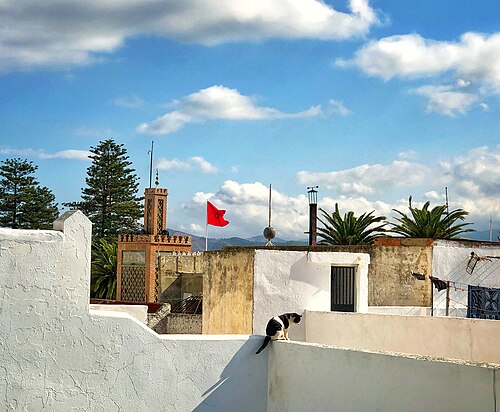 Blanco RiadTetouan and Tamuda Bayfrom 58 € per night
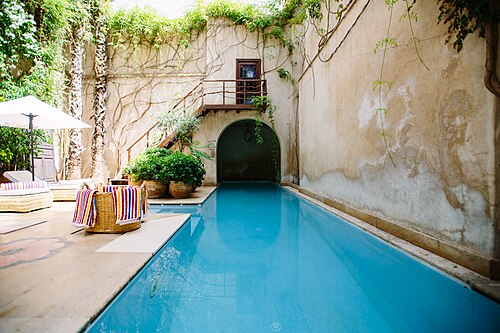 El FennMarrakeshfrom 710 € per night
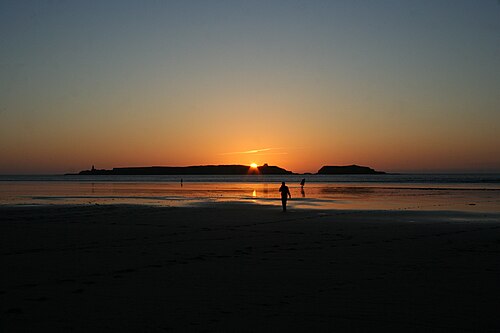 Heure Bleue PalaisEssaouirafrom 556 € per night
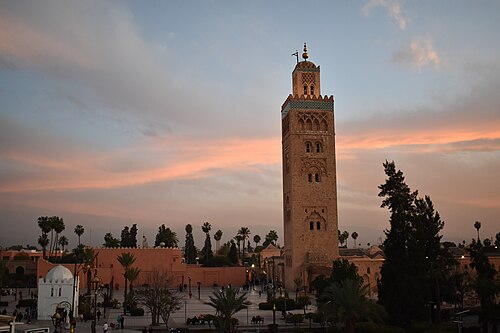 Les Jardins de la KoutoubiaMarrakeshfrom 385 € per night
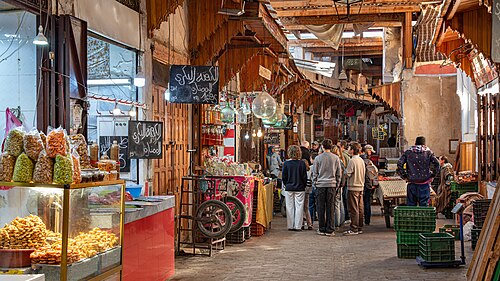 Karawan RiadFezfrom 267 € per night
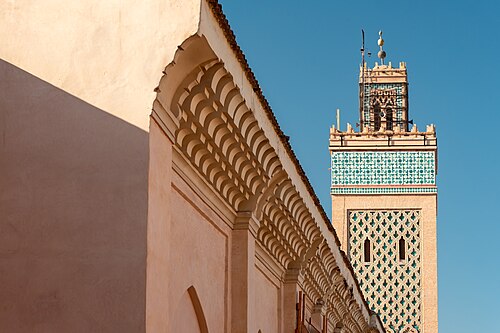 La Sultana MarrakechMarrakeshfrom 915 € per night
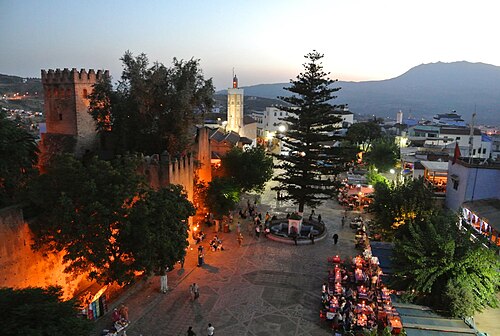 Lina Ryad & SpaChefchaouenfrom 250 € per night
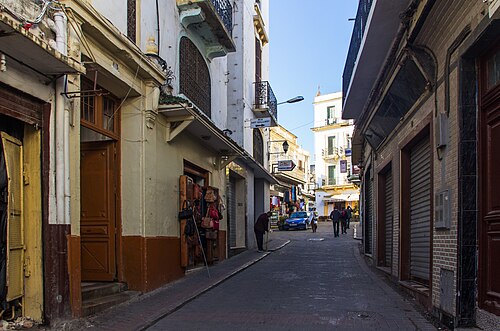 Palais ZahiaTangierfrom 117 € per night
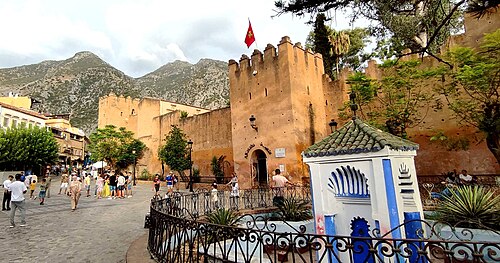 Hotel Riad CherifaChefchaouenPrice on request
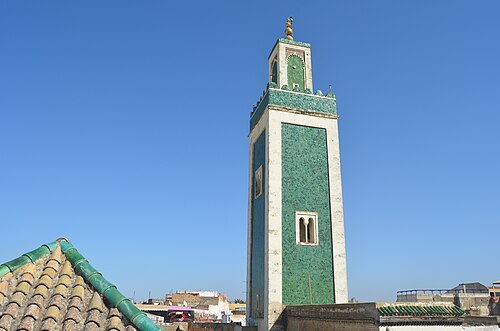 Riad El MaMeknes and Volubilisfrom 59 € per night
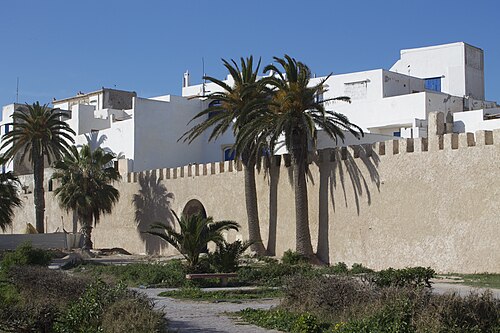 Riad EspritBleuEssaouirafrom 150 € per night
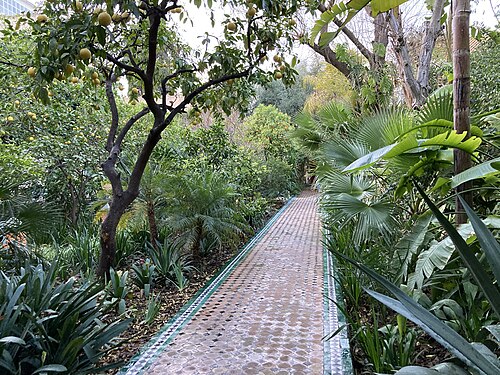 Riad FèsFezfrom 307 € per night
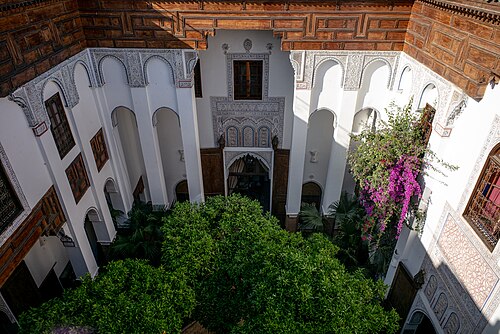 Riad LaaroussaFezfrom 142 € per night
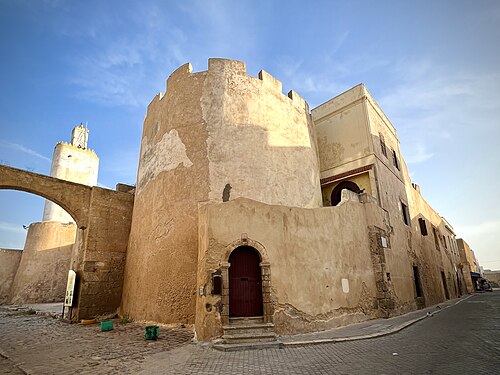 Riad Soleil d'OrientEl Jadida and Oualidiafrom 95 € per night
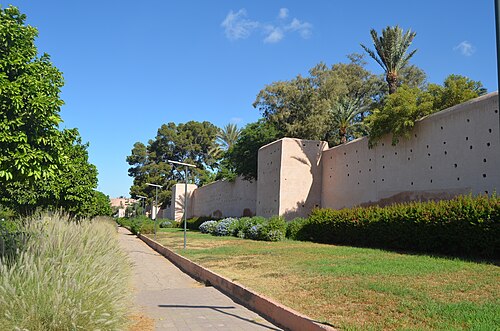 Royal Mansour MarrakechMarrakeshfrom 2,754 € per night
Tunisia
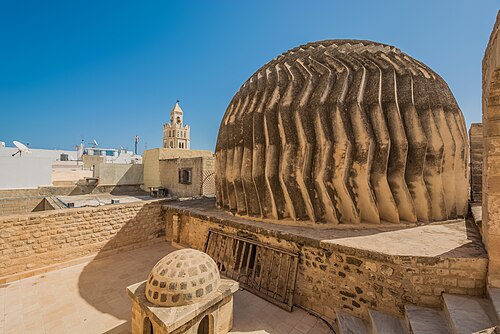 Dar AntoniaSousse and Port El Kantaouifrom 83 € per night
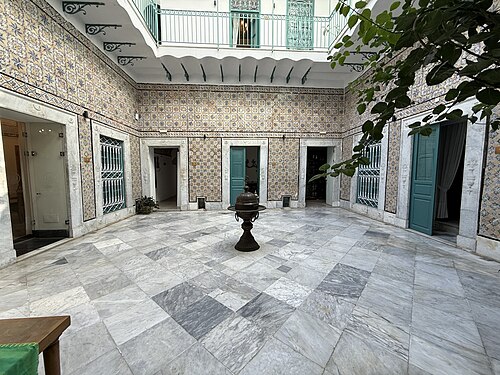 Dar Ben GacemTunis, the medina and the Roman sitesfrom 104 € per night
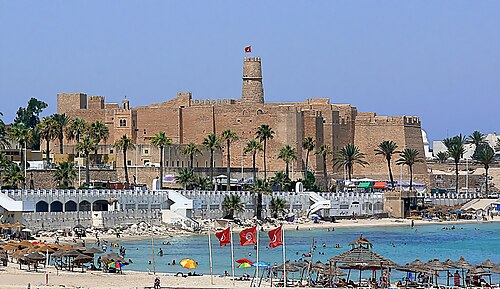 Dar BentiMonastirPrice on request
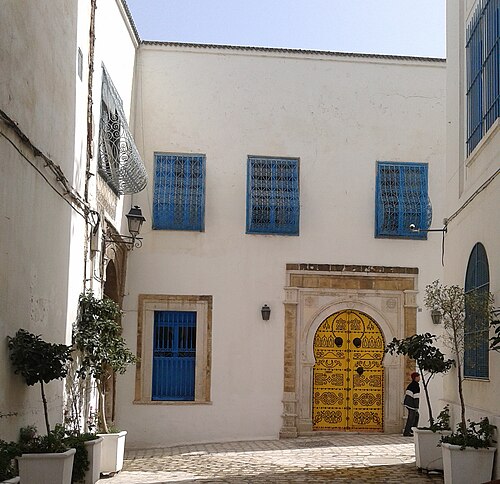 Dar El Jeld Hôtel & SpaTunis, the medina and the Roman sitesPrice on request
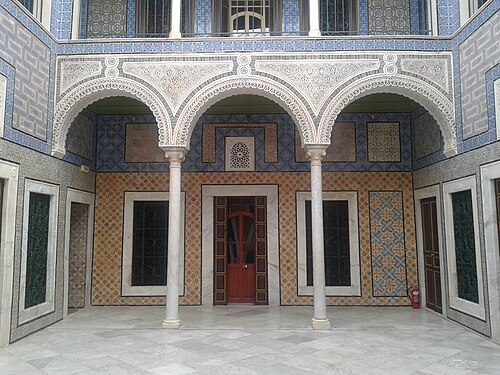 Palais BayramTunis, the medina and the Roman sitesfrom 147 € per night
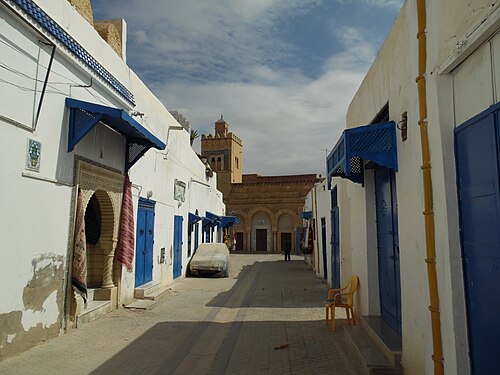 Palais HarranKairouanPrice on request
A house that looks inward
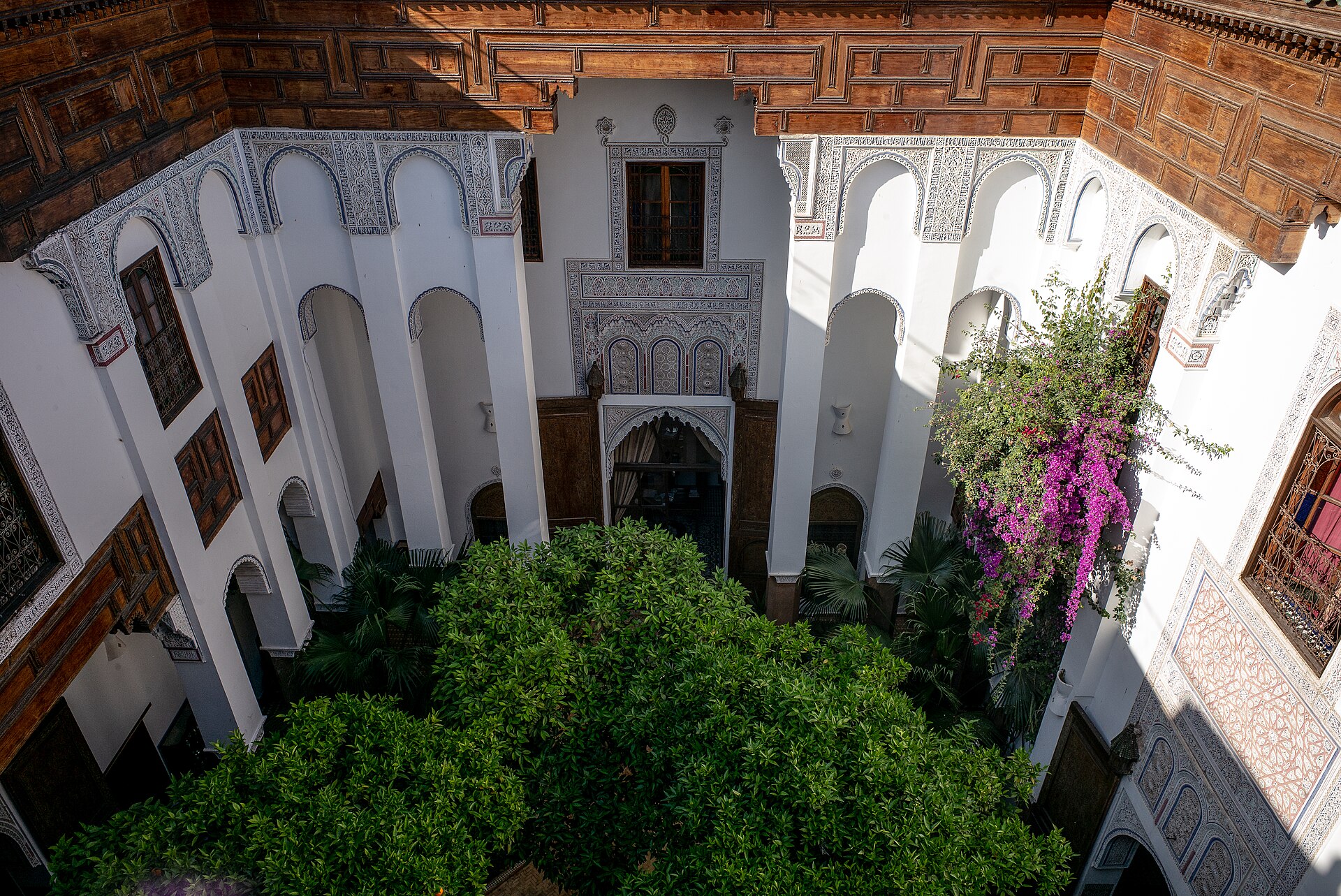
In Arabic, riad means "garden". In Morocco the word refers to a traditional town house with an inner courtyard or garden. Every room opens onto this courtyard, often adorned with a fountain or small pool that cools the air; towards the street, the house shows only a wall and a door. Many of these family homes have been restored as small hotels, and the word is now used for any courtyard guesthouse in the medinas, the walled old towns.
This layout shapes the experience. You enter from a lane, often unsigned, and find yourself in the calm of a planted courtyard. Life moves between the courtyard, where breakfast is served, and the roof terrace, with its view over the town. Rooms are spread over several levels around the open centre.
Egypt has no riads. The courtyard houses in the Egyptian selection, such as Al Moudira in Luxor, are presented on the Boutique and historic hotels page.
From six rooms to fifty-three riads
Size changes everything: a six-room riad feels like a friend's house, a forty-room riad like a small hotel.
Houses with fewer than ten rooms. Riad El Ma in Meknes has six rooms, a fountain courtyard and a small rooftop pool open in season. In Essaouira, Riad EspritBleu has seven, for adults only; in El Jadida, Riad Soleil d'Orient also has seven, around a courtyard planted with fig and orange trees. In Tetouan, Blanco Riad has eight rooms and a restaurant open to the public. In Fez, Karawan Riad has nine suites in a 17th-century house in the Andalusian quarter.
Riads of 10 to 20 rooms. In Chefchaouen, Riad Cherifa (12 rooms) has an open-air pool and a large hammam, Lina Ryad & Spa (17 junior suites) a heated indoor pool and 300 m² of terraces. In Fez, Riad Laaroussa (13 rooms) is run by its owners and genuinely welcomes children. In Tangier, Palais Zahia (18 rooms) is on the Petit Socco, in the heart of the medina.
Large riads and palaces. In Marrakesh, La Sultana joins five restored riads in the kasbah, 28 rooms and 2,000 m² of roof terraces; El Fenn has 41 rooms, three pools and a 1,300 m² roof terrace facing the Koutoubia. In Fez, Riad Fès spreads its 30 rooms over five houses, around four courtyards, with a 14 m pool; Palais Faraj, a 19th-century palace on the southern rampart, has 31 suites and a view over the whole medina. The Royal Mansour Marrakech takes the idea furthest: 53 private three-storey riads, from 140 to 1,800 m², each with its own rooftop pool.
In the desert. Riad Madu, in Hassilabied at the foot of Erg Chebbi, is a family kasbah of 18 rooms and suites built of pisé, with a pool and two camps in the dunes.
Living in a medina
Arriving. Medinas are largely pedestrian. Cars stop at the nearest gate, and luggage is carried to the riad. Situations vary: at Palais Faraj, at Bab Ziat, you drive to the door; Riad Fès is a 5-minute walk from Place Batha, where a guarded car park takes cars; Riad Cherifa is a few minutes from a paid public car park; at Blanco Riad, car access is difficult and there is no parking; at Lina Ryad, you arrive on foot up many steps. Sabaro states this on every hotel page.
Noise. A courtyard shields you from the street, but a medina lives early and late, and the call to prayer can be heard across town. Sabaro checks how quiet the street is for every riad.
Winter. A riad is built around an open courtyard. In Marrakesh, the average January low is 5.9 °C: Sabaro advises checking the room's heating and packing a warm layer for the evening. A heated pool, like Riad Laaroussa's, or an indoor one, like Lina Ryad's, makes winter more pleasant.
Meals. Some riads serve dinner, others only breakfast: Riad Cherifa serves no dinner, Riad Soleil d'Orient on reservation, Riad Laaroussa's restaurant is for guests only. Each riad's page says which.
Combining riad and hotel
On a multi-city trip, Sabaro often recommends alternating: two or three nights in a medina riad to explore on foot, then a hotel with a garden and a large pool to rest. The trip idea Morocco's imperial cities in 10 days follows this rhythm, with three nights at Riad Fès then four at La Mamounia. The boutique riads, El Fenn or La Sultana, also feature on the Honeymoons page.
In Tunisia, the dars of the medinas
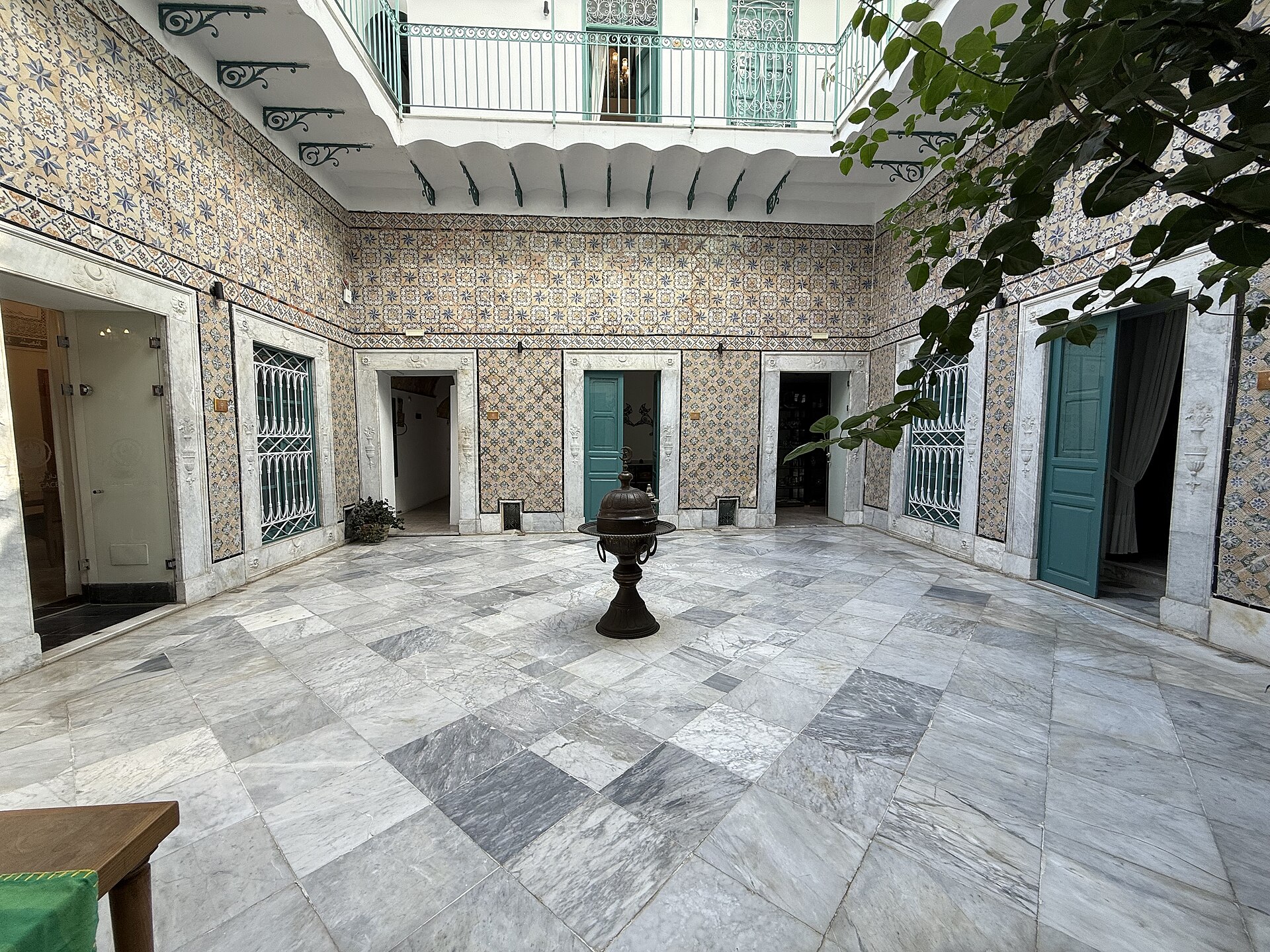
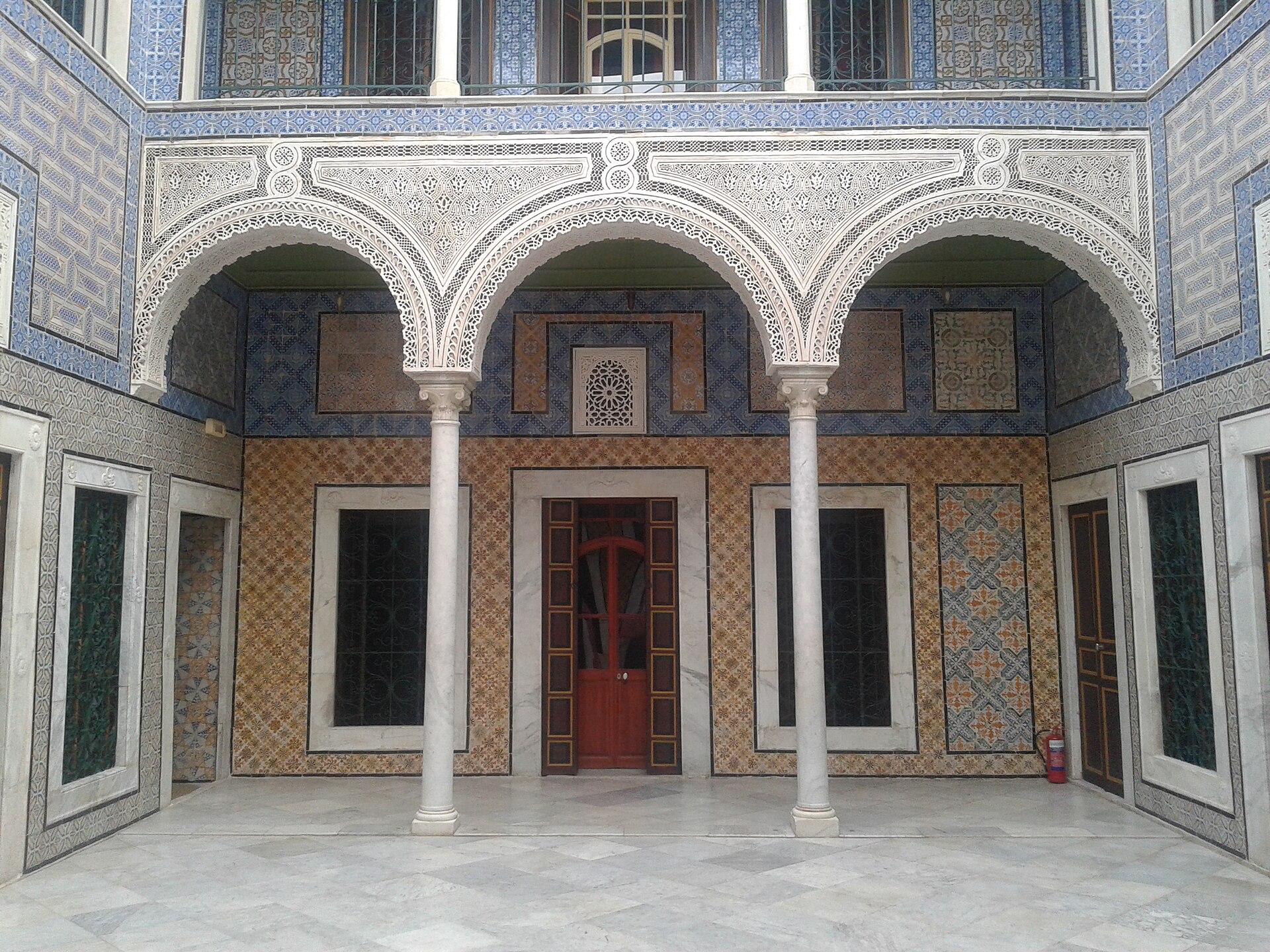
In Tunisia, the patio houses of the medinas are often called dar, Arabic for "house". The principle is the same as in Morocco: a door onto the lane, rooms around a courtyard.
Tunis. Dar Ben Gacem spreads its 15 rooms between two historic mansions in the medina, four minutes' walk apart. Dar El Jeld has 16 suites of 65 to 95 m² around an inner garden, a hammam and a roof terrace above the souks. The Palais Bayram, an 18th-century palace near the Zitouna Mosque, has 16 rooms and suites, a domed hammam and two walled gardens.
Kairouan. The Palais Harran has seven rooms in a 13th-century mansion, a few steps from the Great Mosque.
The Sahel. In Sousse, Dar Antonia arranges its suites around a fountain patio, inside the ramparts. In Monastir, Dar Benti has seven rooms and suites of 22 to 48 m² around a patio and a pool; the ribat and the beaches are a few minutes' walk away.
Frequently asked questions
What is a riad?
A traditional Moroccan town house built around an inner courtyard or garden; the Arabic word means "garden". Many have been restored as guesthouses in the medinas.
Can I drive to it?
Rarely to the door: medinas are pedestrian, and luggage is carried from the nearest gate. Palais Faraj in Fez is an exception.
Which riad has a pool?
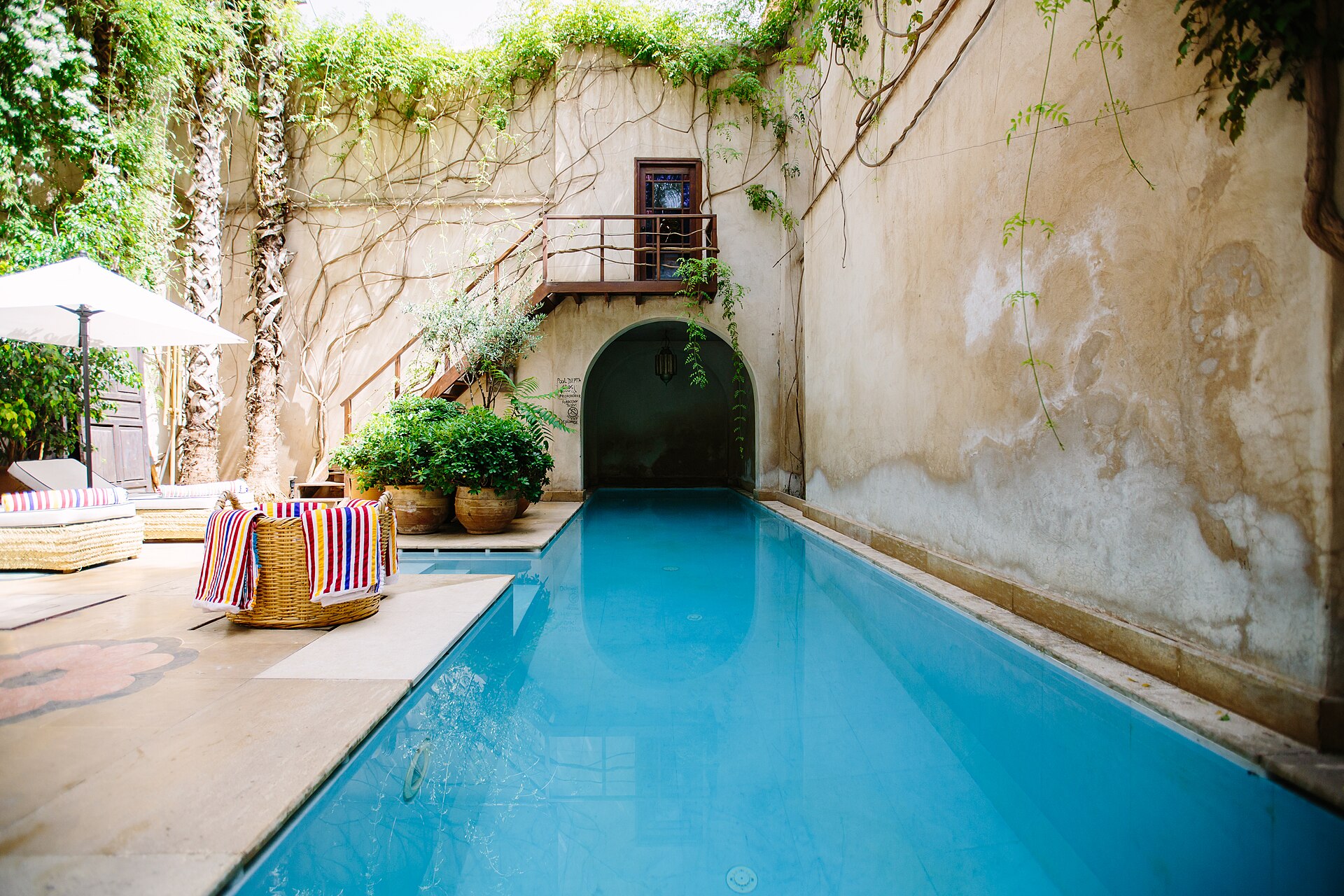
El Fenn in Marrakesh (three pools), Riad Fès (14 m pool), Riad Cherifa in Chefchaouen (open-air pool), Lina Ryad (heated indoor pool), Riad Laaroussa (heated pool); at the Royal Mansour, every riad has its own rooftop pool.
Is a riad suitable for children?
Yes, if it welcomes them: Riad Laaroussa in Fez provides a cot and childcare. Riad EspritBleu in Essaouira is for adults only. Open courtyards, stairs and roof terraces call for care with small children.
Where can you stay in a medina in Tunisia?
In Tunis, at Dar Ben Gacem, Dar El Jeld or the Palais Bayram; in Kairouan, at the Palais Harran; in Sousse, at Dar Antonia; in Monastir, at Dar Benti, which has a pool.
A travel advisor replies by email. Free, no commitment.