Mountains
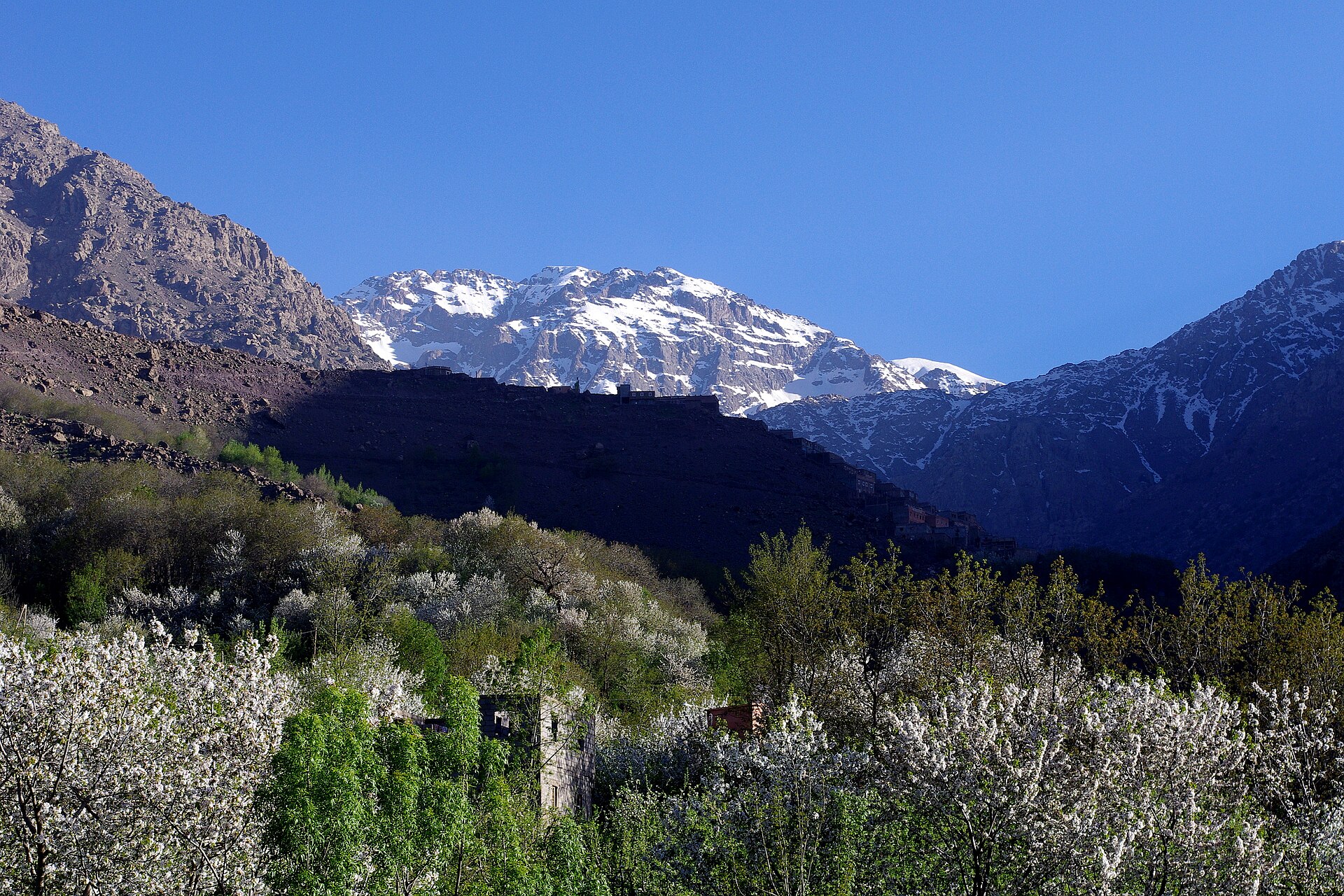
The High Atlas peaks at Toubkal, 4,167 m, the highest point in North Africa, an hour and a half from Marrakesh; the Middle Atlas, the Rif, the Anti-Atlas, the mountains of Sinai in Egypt, Oman's Hajar Mountains, with the Jebel Shams at about 3,000 m and the inhabited plateau of the Jebel Akhdar at about 2,000 m, and Hatta, 1 h 30 from Dubai, offer other ways to walk. Sabaro selects kasbahs, valley guesthouses, an ecolodge at 2,200 m and hotels on the edge of Oman's canyons. In Turkey, you can walk on the Black Sea highlands, at the foot of the Kaçkar Mountains, and on the Lycian Way, above Çıralı.
Hotels chosen by Sabaro
Dubai
Morocco
 Dar EchchaouenChefchaouenPrice on request
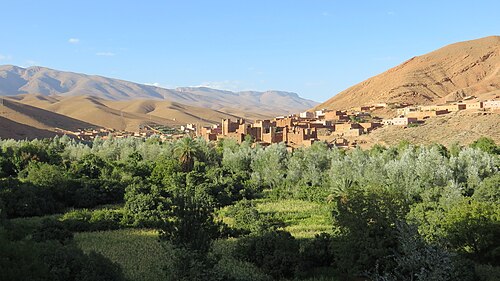 Dar Jnan TiouiraDades and Todgha valleysPrice on request
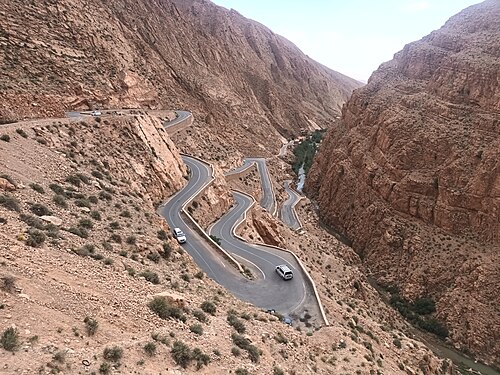 Dar Rihana DadesDades and Todgha valleysfrom 140 € per night
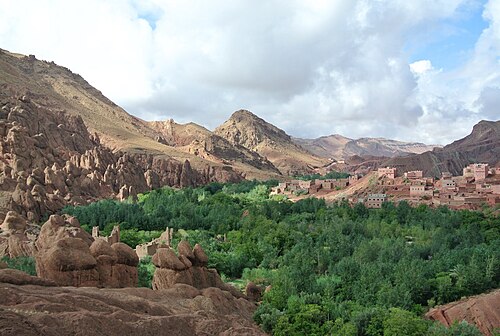 Eden Boutique Hotel and SpaDades and Todgha valleysfrom 352 € per night
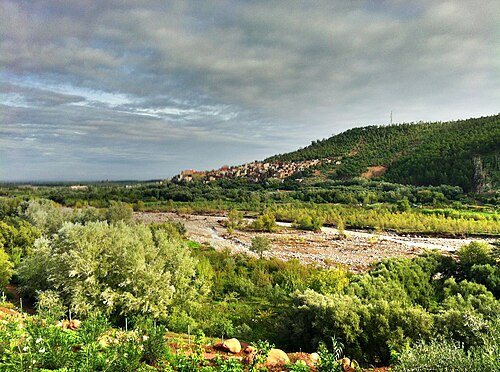 Kasbah Bab OurikaHigh AtlasPrice on request
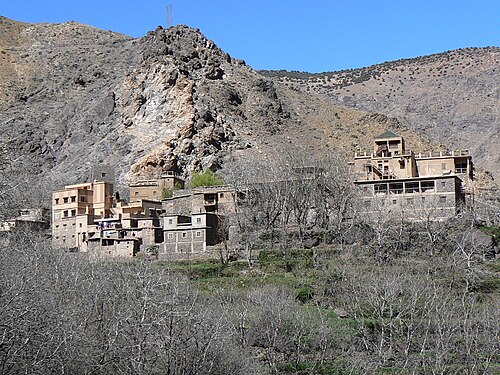 Kasbah du ToubkalHigh Atlasfrom 221 € per night
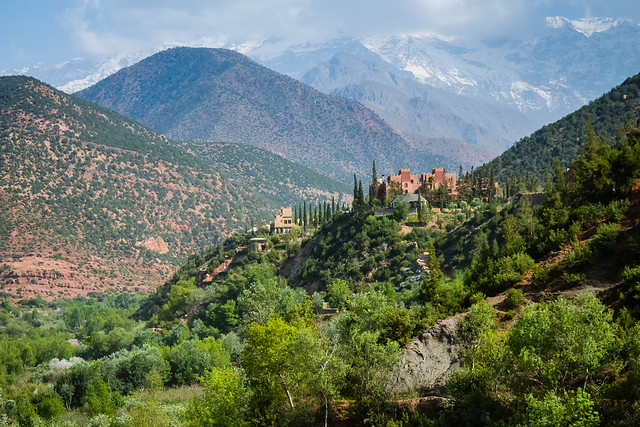 Kasbah TamadotHigh Atlasfrom 1,050 € per night
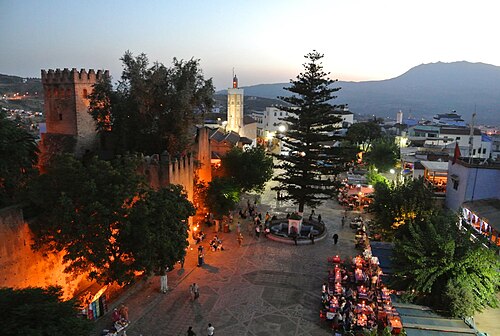 Lina Ryad & SpaChefchaouenfrom 250 € per night
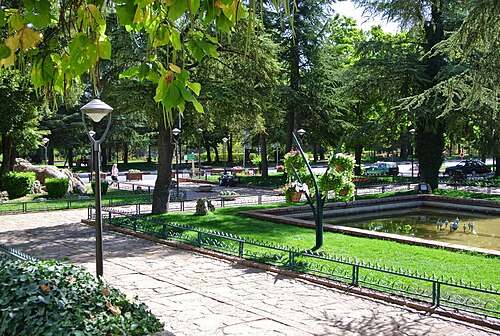 Michlifen Resort & GolfIfrane and the Middle Atlasfrom 281 € per night
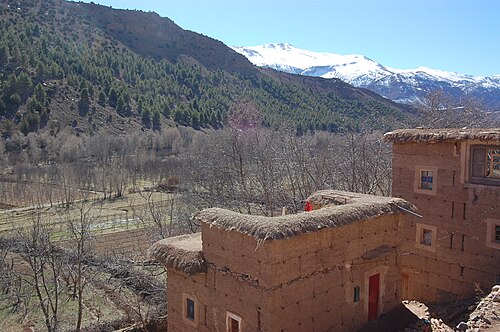 Touda EcolodgeAzilal and Ouzoud waterfallsfrom 90 € per night
Oman
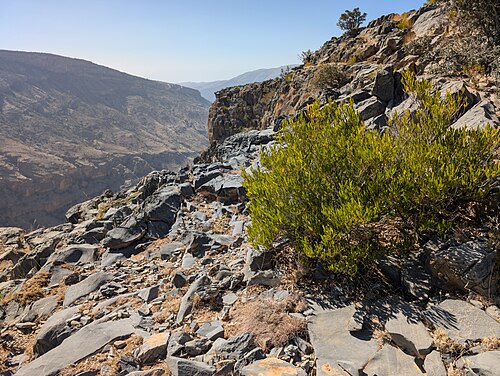 Alila Jabal AkhdarJebel Akhdar (the Green Mountain)Price on request
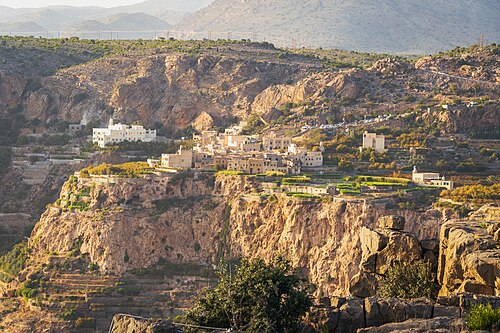 Anantara Al Jabal Al Akhdar ResortJebel Akhdar (the Green Mountain)from 450 € per night
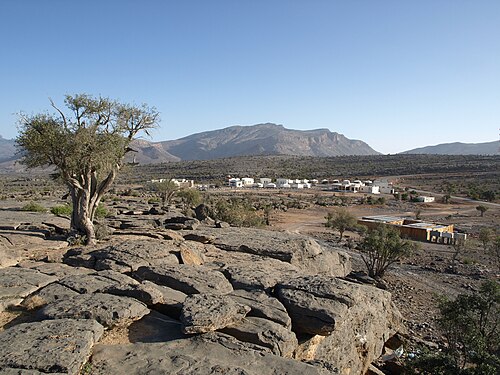 Jebel Shams ResortJebel Shams, Al Hamra and Misfatfrom 146 € per night
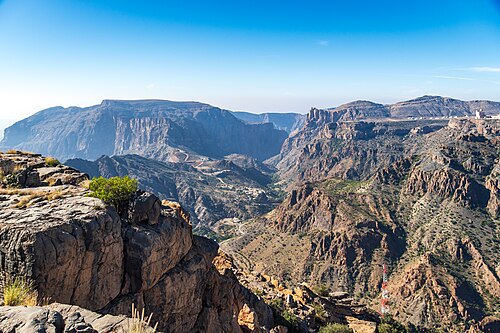 Sahab Resort & SpaJebel Akhdar (the Green Mountain)Price on request
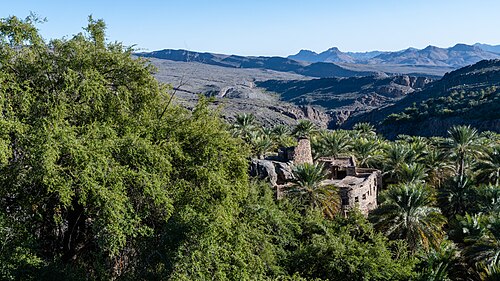 The View OmanJebel Shams, Al Hamra and Misfatfrom 364 € per night
Turkey
Morocco's mountains begin at the gates of Marrakesh: the High Atlas closes the horizon south of the city. They continue northwards into the Middle Atlas and its cedars, southwards into the Dades gorges and the Anti-Atlas, and up to the Rif, above the Mediterranean. In Egypt, the mountains are in Sinai: Mount Sinai, climbed at night for sunrise, and the country's highest peak right next to it. In Dubai, the mountains are at Hatta, an enclave of the emirate in the Hajar Mountains, near the Omani border, where people come for mountain biking, hiking and kayaking. In Oman, the same Hajar Mountains rise much higher, and you sleep on the edge of the canyons.
You choose a way of walking more than a region.
A day in the mountains from the city
For those who just want to see the mountains, a day trip is enough.
- The Ourika valley, about sixty kilometres from Marrakesh, leads to Setti-Fatma and its seven waterfalls, reached on foot: twenty minutes of steep climbing to the first, about an hour more to the highest. Sabaro recommends a weekday.
- Akchour, about 50 minutes from Chefchaouen, opens Talassemtane national park: two hours' walk along the Farda river to God's Bridge, a rock arch some thirty metres above a canyon.
- Ifrane national park, in the Middle Atlas, an hour from Fez: cedar forests, lakes and Barbary macaques, to be watched from a distance, without feeding them.
- The Todgha gorges, near Tinghir, can be explored on foot in an hour or two, between cliffs nearly 300 m high.
- Hatta, about 130 km south-east of Dubai, 1 h 30 by road or express bus: kayaking on the turquoise dam lake, from AED 60 (UAE dirhams), about €15, trails behind the dam, waymarked in green, blue, red or black by difficulty, and the heritage village with its two watchtowers.
Two or three nights in a kasbah
This is the pace Sabaro recommends for walking without trekking: a few hours' hike every morning, a quiet afternoon.
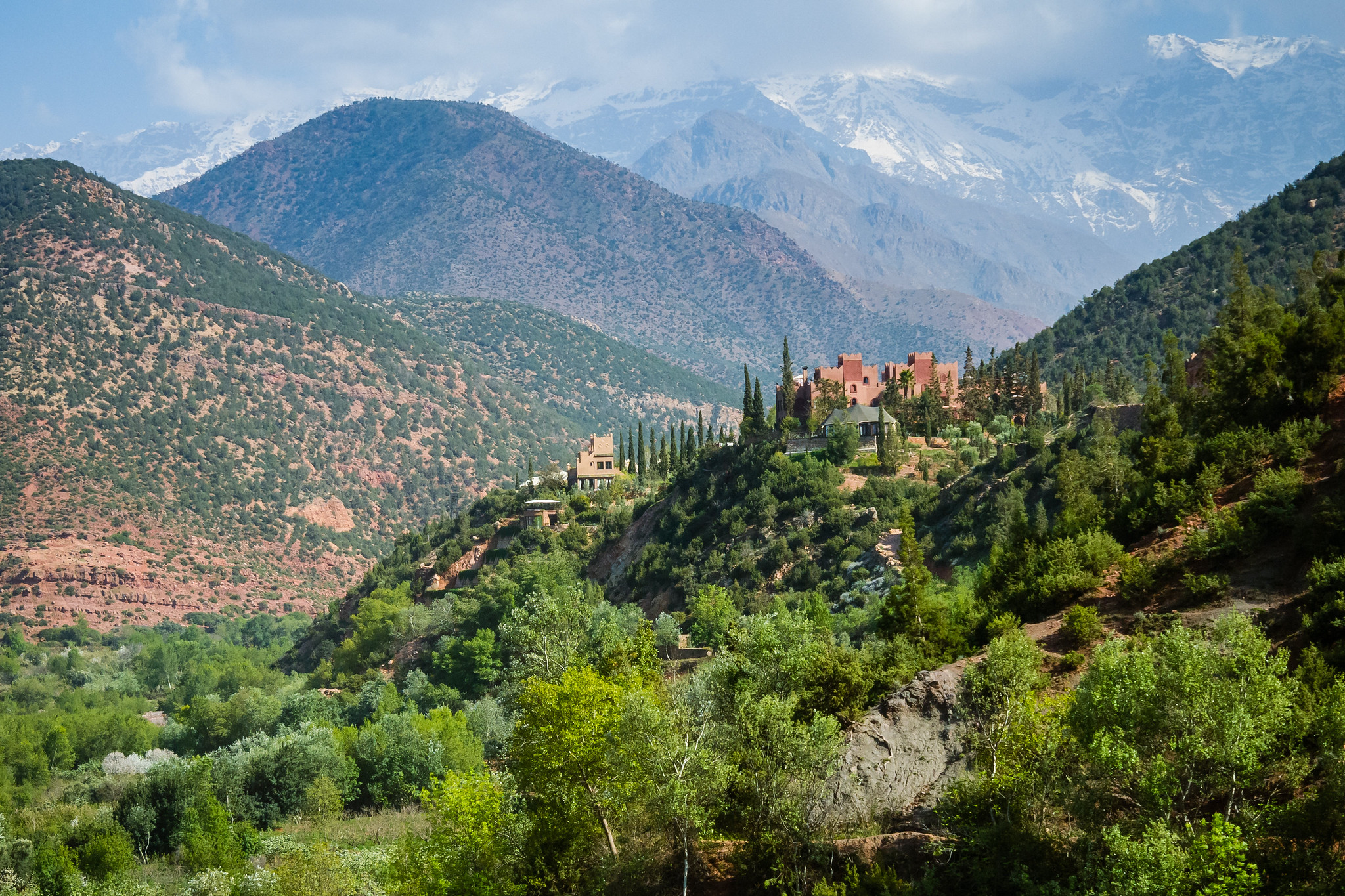
- In the High Atlas, the Kasbah du Toubkal, above Imlil at 1,820 m, is reached by a quarter of an hour's walk; it organises hikes and ascents every day with guides from the village. Kasbah Tamadot, in Asni, plays the comfort card, with pools and spa, and offers mule-back hikes from age 10. Kasbah Bab Ourika overlooks the entrance to the Ourika valley, 45 minutes from Marrakesh airport: the right place to end a trip.
- In the Dades gorges, on the road to the desert, three houses in the selection: Dar Jnan Tiouira, built by the family of a high-mountain guide; Dar Rihana, run by three brothers from the valley; the Eden Boutique Hotel, facing the "monkey fingers" of Tamellalt.
- In the Ait Bouguemez valley, at the foot of M'Goun, which peaks at 4,071 m, the Touda Ecolodge stands at about 2,200 m, in the valley's highest village. You walk from village to village, in the M'Goun UNESCO Global Geopark, known for its dinosaur footprints.
- In Ifrane, the Michlifen, a five-star chalet at 1,650 m, for the forest in summer and snow in winter, with spa and kids' club.
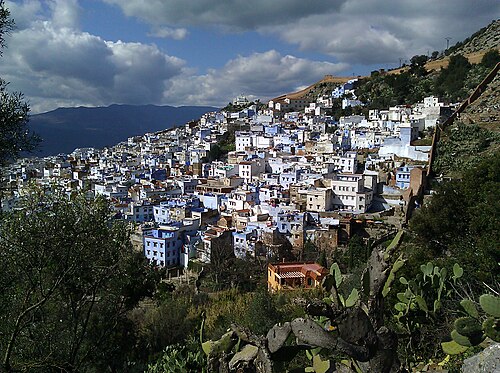
- In Chefchaouen, Dar Echchaouen, above the blue medina, near the Ras El Ma spring, to combine the town and the Rif trails.
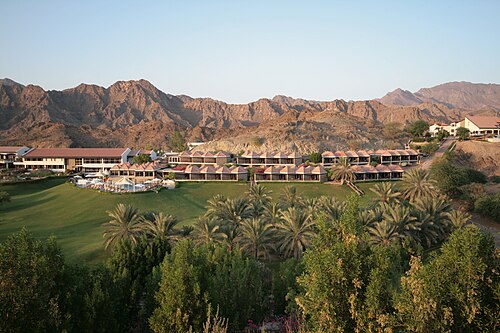
- In Hatta, in the Hajar Mountains, whose peaks rise to between 800 and 1,600 m around the town, the JA Hatta Fort Hotel has two heated pools facing the mountains, a spa and Terra Cabins, 30 m² cabins; it organises hiking, mountain biking and kayaking, from about €360 a night for two, breakfast included, any nightly tourism tax extra. A night there lets you set off in the cool of the morning: Visit Dubai, the Dubai tourist board, suggests being in the saddle by 6 am, local time, on the 52 km of waymarked trails of the Hatta Mountain Bike Trail Centre. Hatta Dome Park also offers fifteen dome tents. Hatta combines with two nights in the Dubai desert, which you cross on the way.
Oman: the Hajar Mountains, canyons and terraced villages
The Hajar Mountains are the great range of northern Oman, two hours' drive from Muscat. Two massifs concentrate the walking.
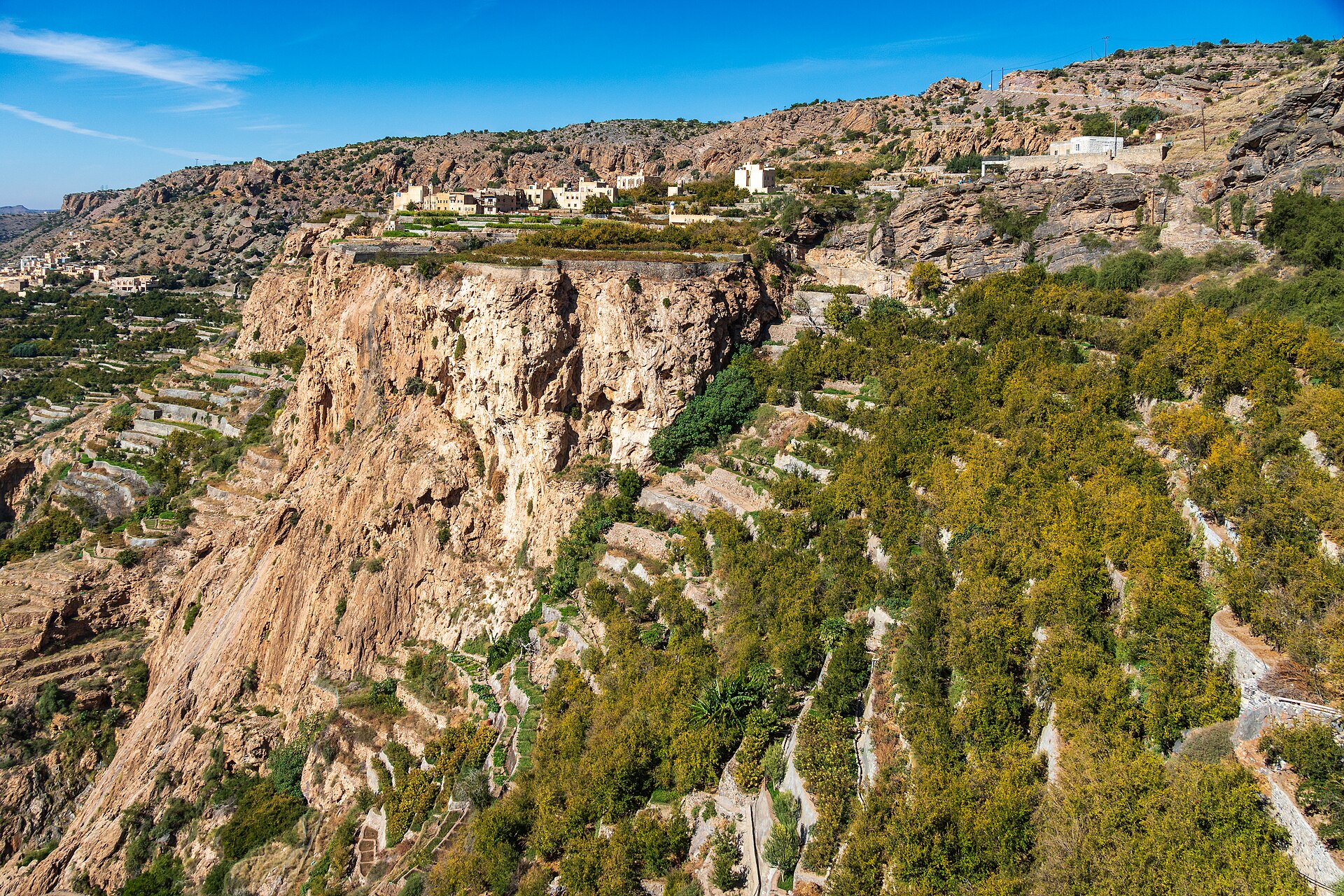
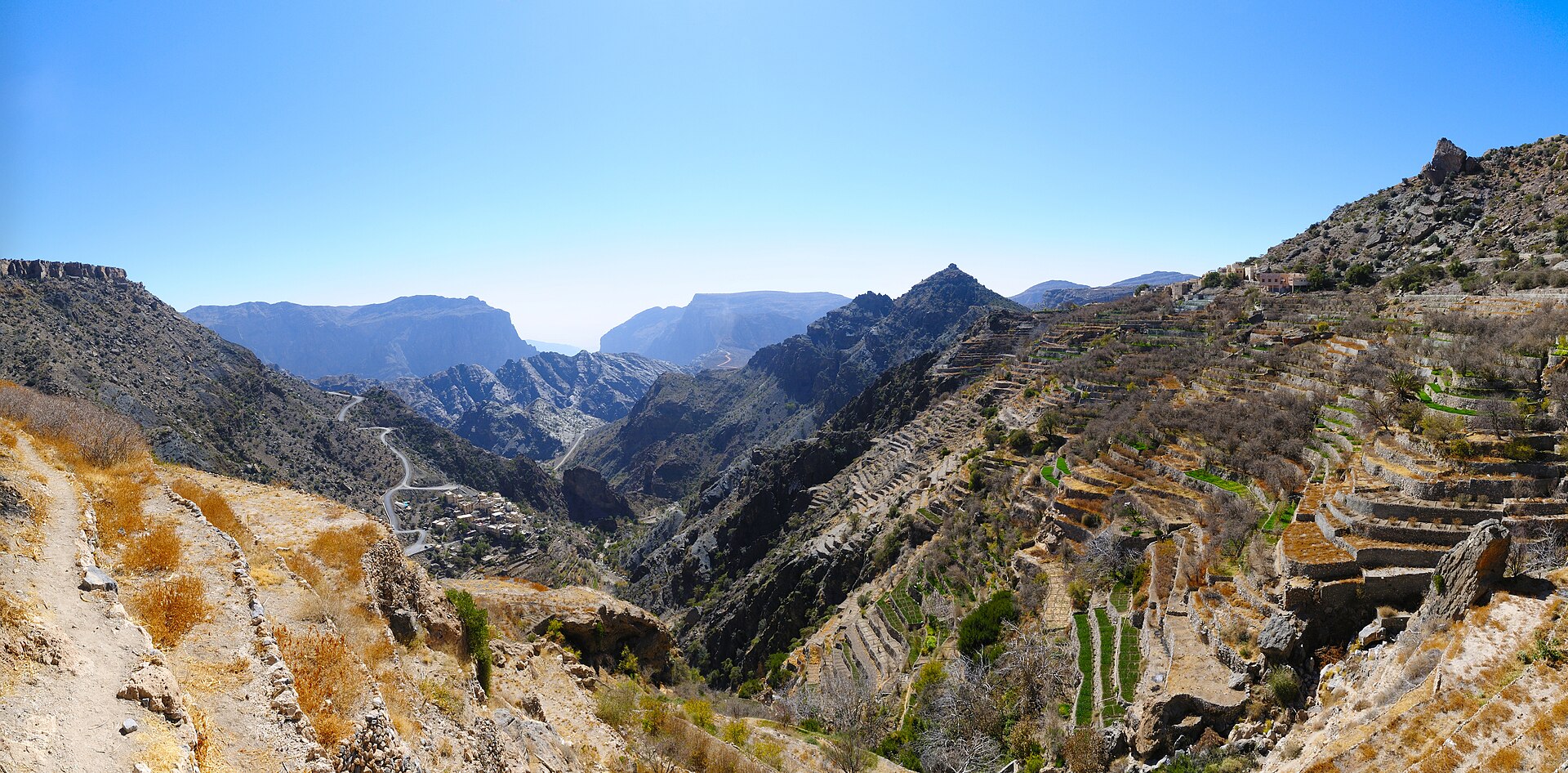
The Jebel Akhdar, the "Green Mountain", is an inhabited high plateau at about 2,000 m. You walk from village to village, among terraces of pomegranate trees and Damask roses, orchards and aflaj, the traditional irrigation channels of which UNESCO inscribed five examples in 2006. The rose gardens bloom from late March to early May. The road is open only to four-wheel-drive vehicles, checked by the police at Birkat al Mouz, at the foot of the climb. You sleep on the canyon's edge: the Anantara, the most complete, from about €450 a night for two; Alila Jabal Akhdar, more secluded, which offers via ferrata, guided hikes and stargazing; the Sahab, 27 rooms, simpler.
The Jebel Shams, at about 3,000 m, is the country's highest point. Its best-known hike, the Balcony Walk or trail W6, follows the wall of Oman's Grand Canyon, nearly a kilometre high, halfway up, to the abandoned village of As Sab: about 3 hours there and back, along the drop. You set off at dawn from the Jebel Shams Resort, simple chalets at the end of the road, or from The View, at 1,400 m above Al Hamra, near the terraced village of Misfat al Abriyeen.
These paths have almost no safety features: it is better to go with a tour operator or in a group, and altitude sickness is possible on the Jebel Shams. The guide Hiking in the Hajar mountains details the routes.
Toubkal and treks
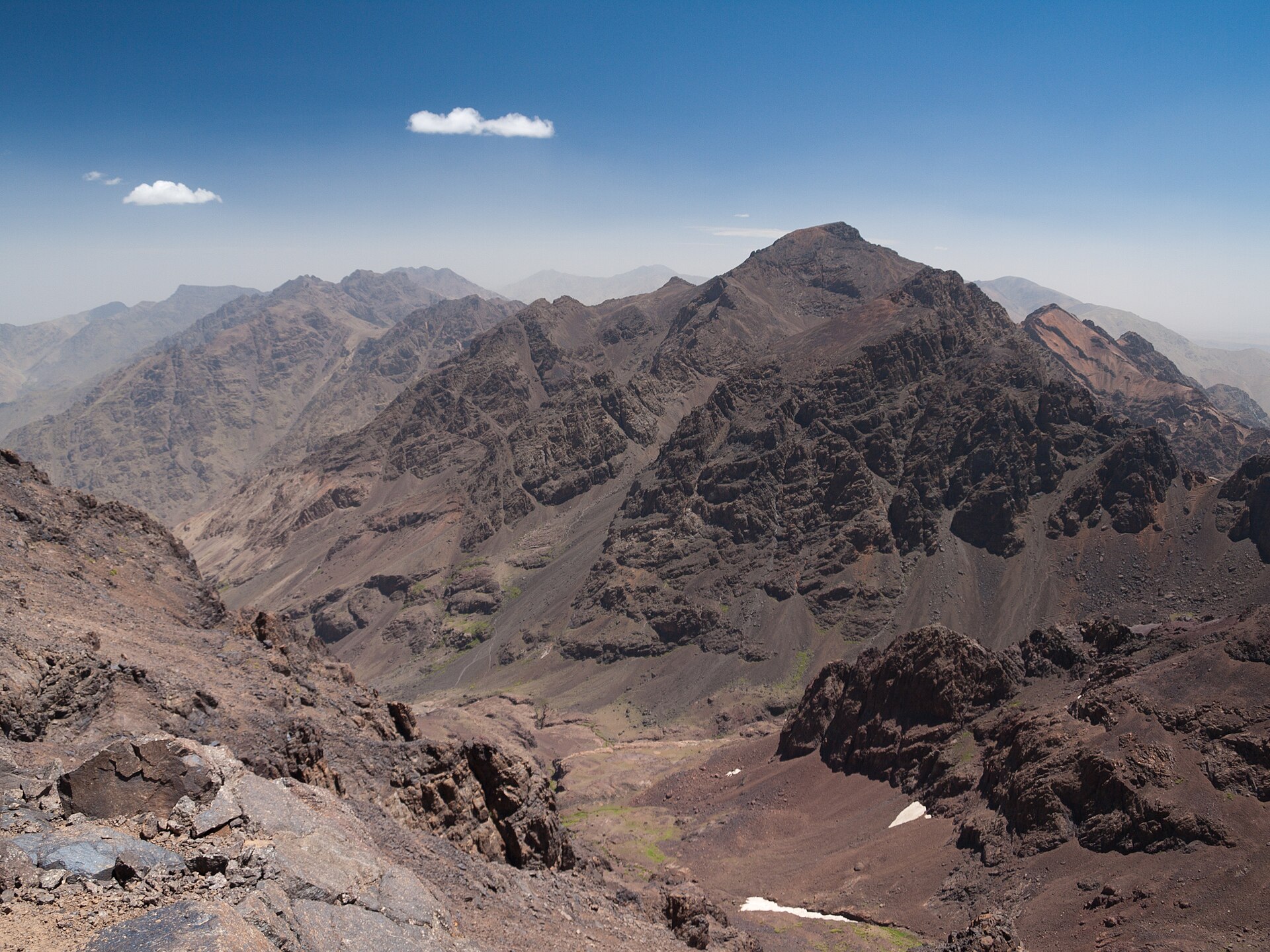
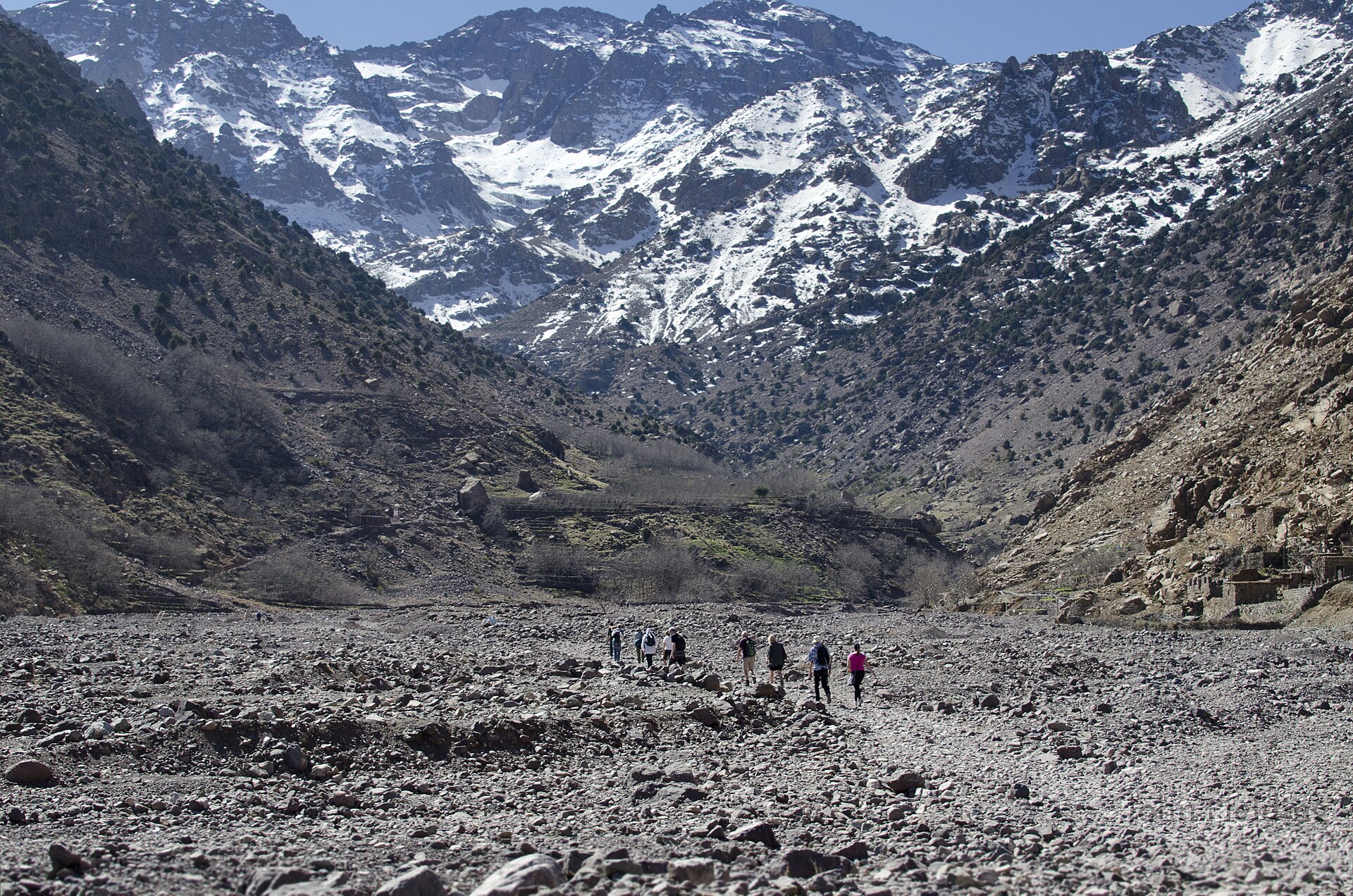
Jbel Toubkal peaks at 4,167 m. The ascent is hard without being technical: a long walk with more than 2,000 m of ascent, without any climbing. It is classically done in two days from Imlil, with a night at the refuges, at 3,207 m. An official local mountain guide is compulsory on the trails between Imlil and the summit; the simplest way is to book one with your accommodation.
At this altitude, some walkers suffer from altitude sickness. Sabaro recommends adding a day or two of walking in the valleys before going up, or choosing a three- to eight-day trek, in gîtes or refuges, with a guide and a muleteer, which puts the summit at the end. Sabaro's trip idea "High Atlas trek and Toubkal ascent, 6 days" follows this principle.
In Sinai, Mount Sinai rises to 2,285 m above St Catherine's Monastery. You climb at night, between midnight and 3 am local time, by the Steps of Repentance or the camel path, to reach the summit at sunrise. Mount St Catherine, at 2,637 m, Egypt's highest peak, takes a long day with a compulsory guide. Travelling between the monastery and the coast at night is best avoided: Sabaro therefore recommends sleeping on site, as in the trip idea "Sinai, Mount Sinai, St Catherine's Monastery and Dahab, 7 days".
Seasons and gear
Spring (April-May) and autumn (September-October) are the best seasons for walking in the Atlas. Summer suits the heights, less so the valleys, and Ifrane stays mild, with highs around 30 °C in July and August. Winter brings snow: Toubkal then requires winter mountaineering gear and experience, and Ifrane opens its ski slopes depending on snowfall. The Anti-Atlas, around Tafraout, can be walked from September to May, with almond blossom at the end of winter. In Hatta, the season runs from October to early May: Hatta Wadi Hub, the activity centre, opens from 1 October to 5 May, and most attractions close in summer, when the heat nears 45 °C at the nearest station, Al Ain. Flash floods can occur in the wadis, especially in winter: leave them as soon as a weather warning is issued. In Oman's Hajar Mountains, the season runs from October to April: at Saiq, on the Jebel Akhdar plateau, average highs are around 15 to 17 °C from December to February and it can freeze at night; in summer they stay around 30 °C, while the valleys pass 40 °C.
All year round, bring good high-top walking boots, three layers of clothing including a windproof and waterproof jacket, sunglasses and a hat. Evenings are cool in the kasbahs, even in summer. At the top of Mount Sinai, it can freeze on winter nights.
Turkey: the Kaçkar Mountains and the Lycian Way
The Black Sea highlands. Above Rize, the valleys climb towards the yayla, the high pastures where herds are taken in summer, and towards the Kaçkar Mountains, the region's great hiking massif. You stay around Ayder, 35 km from Rize-Artvin airport: Seyr-i Cennet Dağ Evleri has nine wooden suites and bungalows on the Ayder road, each with a jacuzzi. The season runs from June to September; it rains all year. The page The Black Sea highlands covers the region.
The Lycian Way. The trail passes through Çıralı and Olympos before climbing towards Antalya; its stages alternate pine forests, passes and coves, and are walked from February to May and from September to November. The Olympos Mountain Lodge, at 900 m in Beycik on the slopes of Mount Tahtalı, is a starting point. The Tahtalı cable car climbs to the summit, at 2,365 m, from 9 am to 4.30 pm local time.
Frequently asked questions
What is the highest peak?
In Morocco, Toubkal, 4,167 m, the highest point in North Africa. In Egypt, Mount St Catherine, 2,637 m, next to Mount Sinai.
Where can I hike in Oman?
In the Hajar Mountains, two hours from Muscat: the Balcony Walk on the Jebel Shams, about 3 hours there and back along Oman's Grand Canyon, and the paths between the terraced villages of the Jebel Akhdar, at about 2,000 m, from October to April.
Do I need a guide?
Yes for Toubkal: an official local mountain guide is compulsory between Imlil and the summit. One is also compulsory for Mount St Catherine. In the other valleys, Sabaro recommends a local guide for routes away from the busy trails.
Can I see the High Atlas without trekking?
Yes: a day in the Ourika valley or Imlil from Marrakesh, or two or three nights in a kasbah with a few hours' hike every morning.
Can I go hiking near Dubai?
Yes, in Hatta, in the Hajar Mountains, 1 h 30 by road: waymarked trails behind the dam, 52 km of mountain-bike trails and kayaking on the lake, from October to early May. The JA Hatta Fort Hotel makes it easy to spend one or two nights there.
Where to stay?
In the High Atlas, the Kasbah du Toubkal in Imlil, Kasbah Tamadot in Asni and Kasbah Bab Ourika; in the Ait Bouguemez, the Touda Ecolodge; in the Dades, Dar Jnan Tiouira, Dar Rihana or the Eden; in Ifrane, the Michlifen; in Chefchaouen, Dar Echchaouen; in Hatta, near Dubai, the JA Hatta Fort Hotel; in Oman, the Anantara, the Alila or the Sahab on the Jebel Akhdar, and the Jebel Shams Resort or The View near the Jebel Shams.
Where can you hike in Turkey?
On the Black Sea highlands, around Ayder and the Kaçkar Mountains, from June to September; on the Lycian Way, around Çıralı, from February to May and from September to November.
A travel advisor replies by email. Free, no commitment.