Wadi Natrun
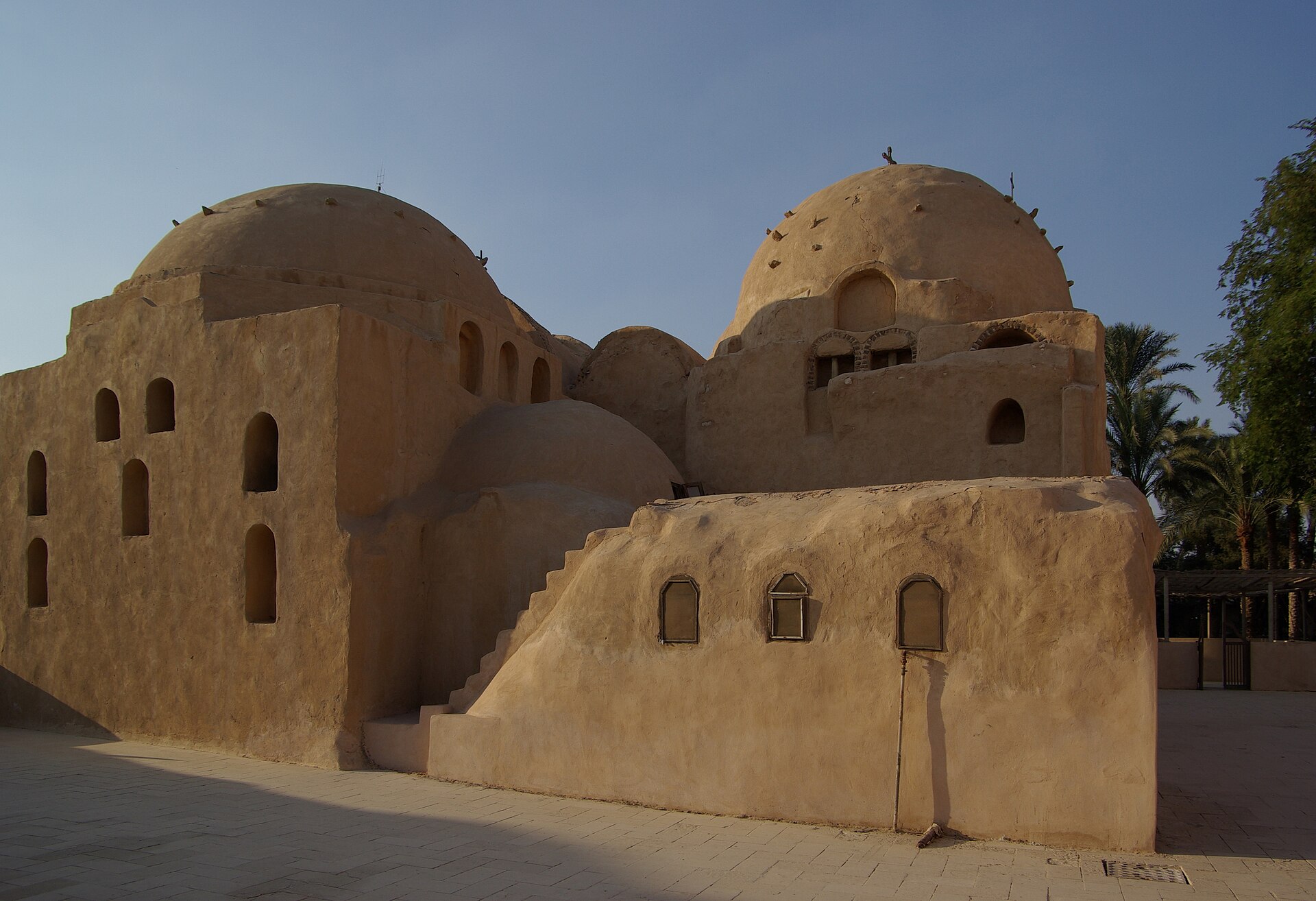
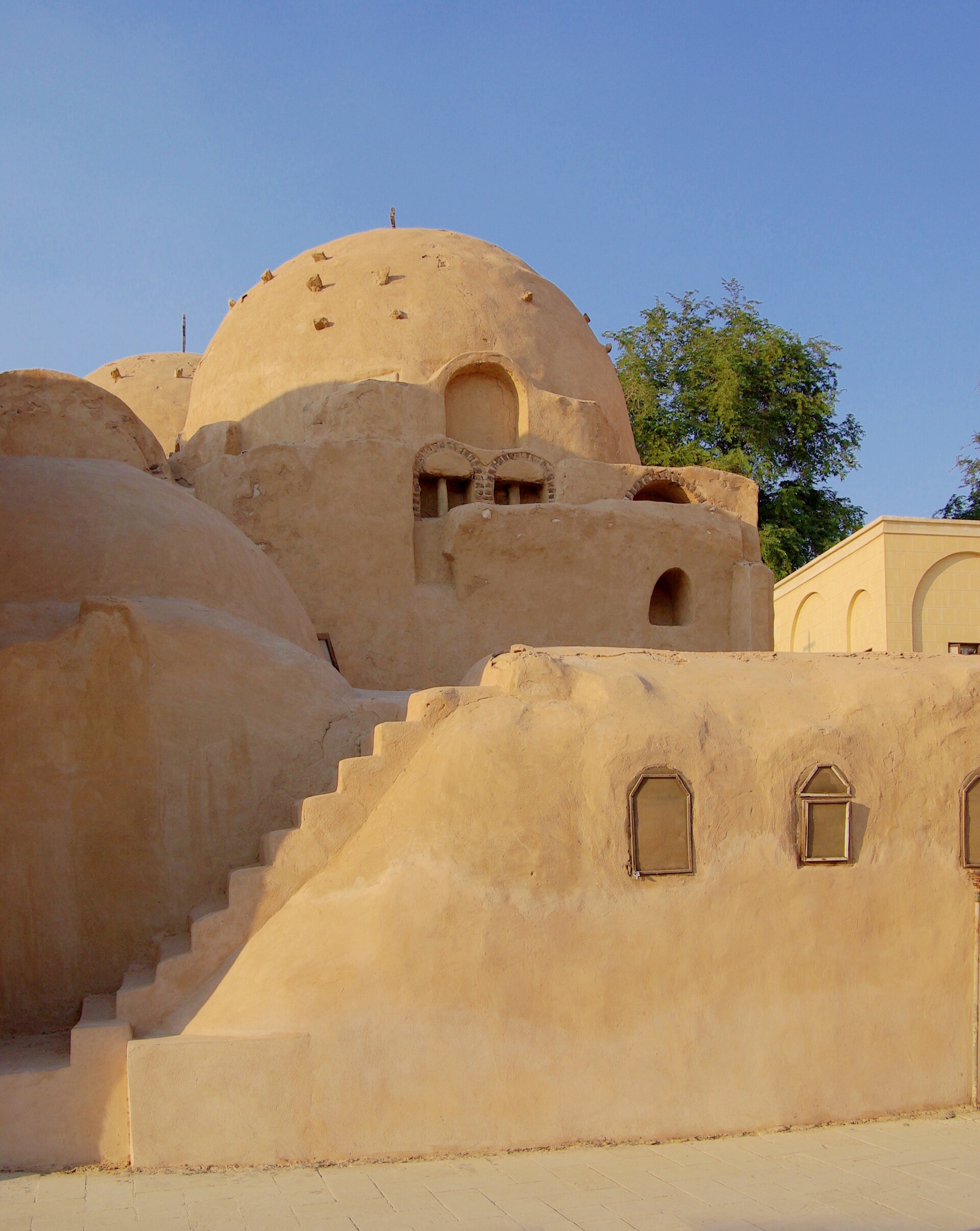
Wadi Natrun is a 25 km-long depression in the desert, halfway between Cairo and Alexandria, where four of the fifty Coptic monasteries founded from the 4th century onwards survive. For a half-day visit on the Alexandria road, for travellers interested in Christian history.
Scetis, cradle of monasticism
Wadi Natrun is the Scetis of Christian texts. Around 330, Macarius the Egyptian, who had spent some years with Saint Anthony in the Arabian Desert, withdrew here to a life of prayer. When he died in 390 he left disciples living as hermits, almost in isolation; others followed, and some fifty monasteries were founded. These "Desert Fathers" weighed heavily on the birth of Christian monasticism. Four monasteries survive, still inhabited by Coptic monks, of Egypt's Christian Church.
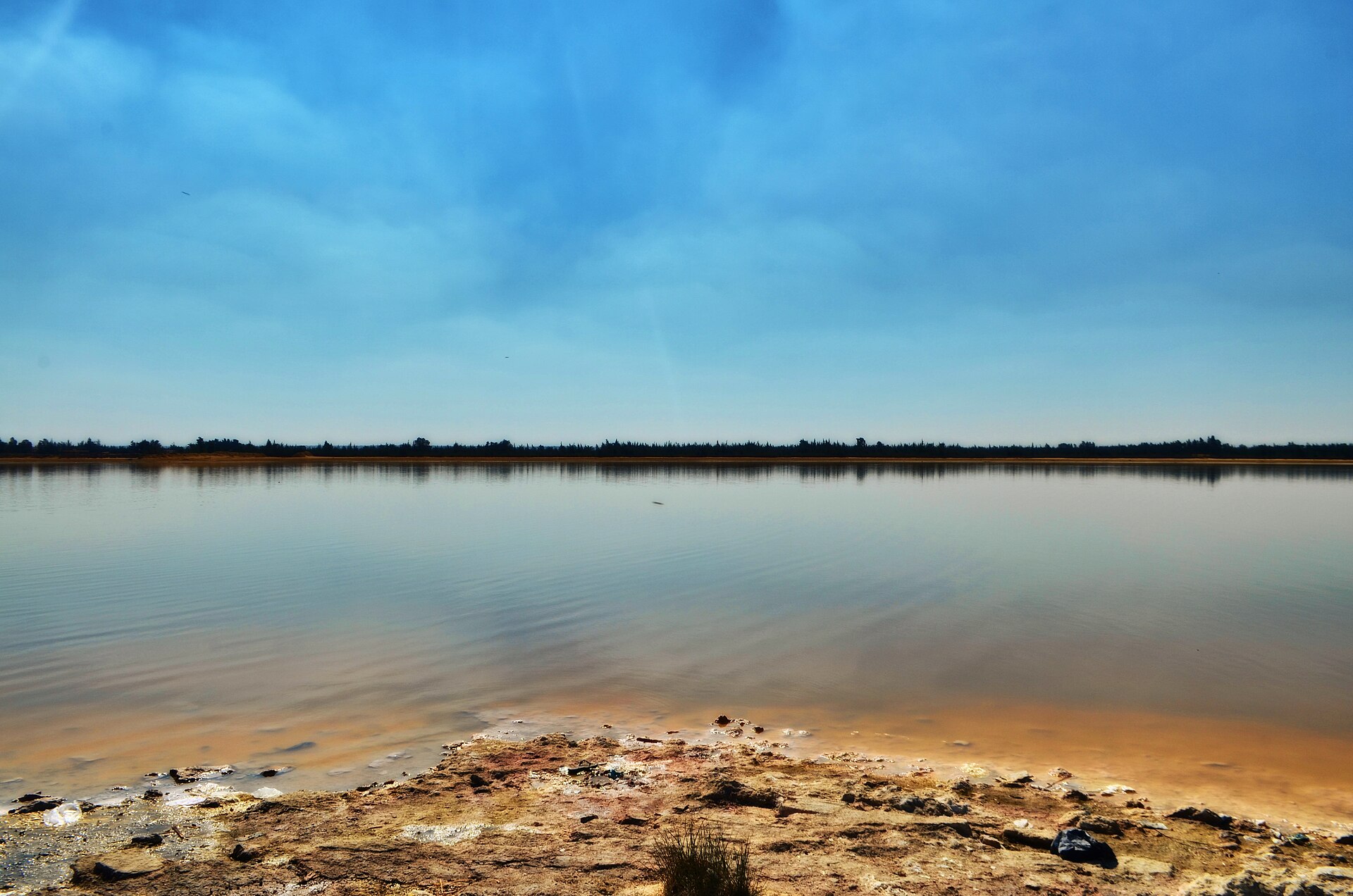
The valley takes its name from natron, the sodium salt the ancient Egyptians took from its salt lakes for mummification. About a dozen lakes still dot the depression.
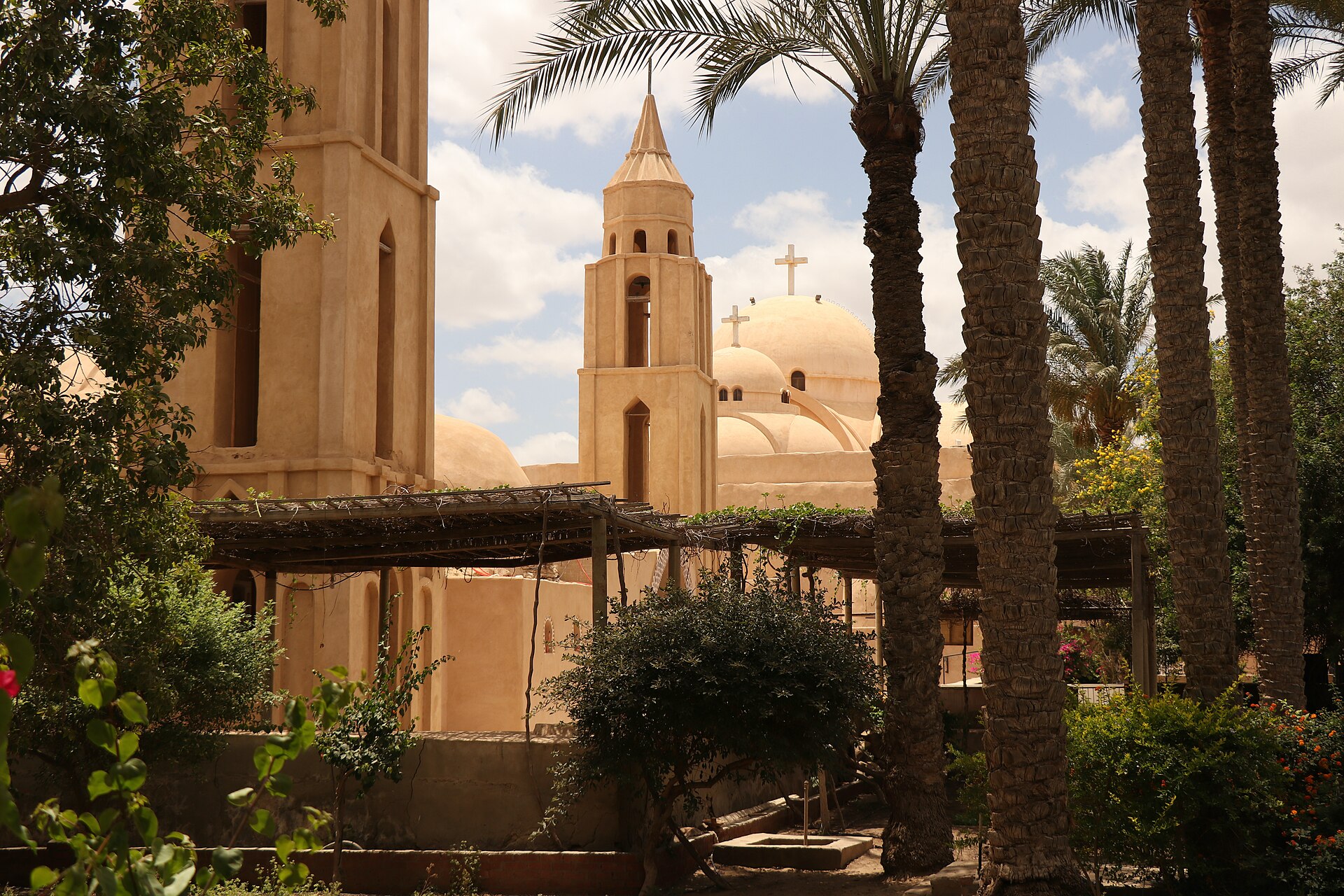
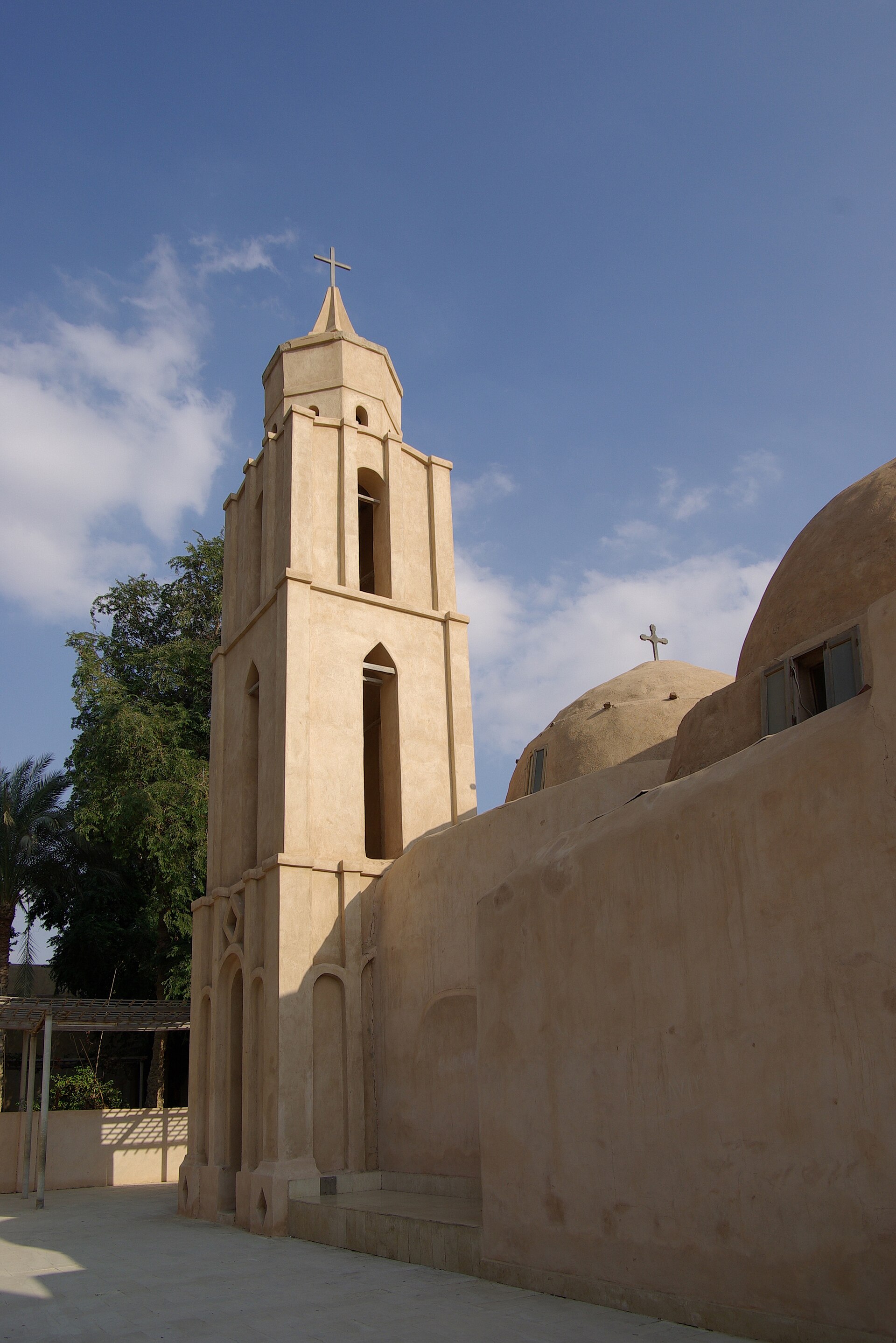
The monasteries have come through centuries of raids. In 444, desert raiders massacred the monks of Saint Macarius; the Church of the Forty-Nine Martyrs keeps their memory. Hence the refuge towers, several storeys high, where the monks withdrew with wells, stores and chapels.
Together with the monasteries of Saint Anthony and Saint Paul near the Red Sea, Wadi Natrun has been on UNESCO's Tentative List (UNESCO: the United Nations Educational, Scientific and Cultural Organization; the Tentative List gathers the sites a State intends to nominate for World Heritage) since 2003.
Four monasteries
- Saint Macarius (Deir Abu Maqar), the largest and most important, founded in the 4th century. It served as a refuge for the Coptic patriarchs of Alexandria; its church was rebuilt in 866. The relics of Saint Macarius, Saint John the Baptist and the prophet Elisha are venerated here. This is where the holy chrism for the whole Coptic Church is prepared.
- Saint Bishoy (Deir Anba Bishoy), founded by a disciple of Macarius: five churches within an enclosure, a tower reached by a drawbridge and the Well of the Martyrs. The Coptic Pope Shenouda III is buried here; it is the most visited of the monasteries.
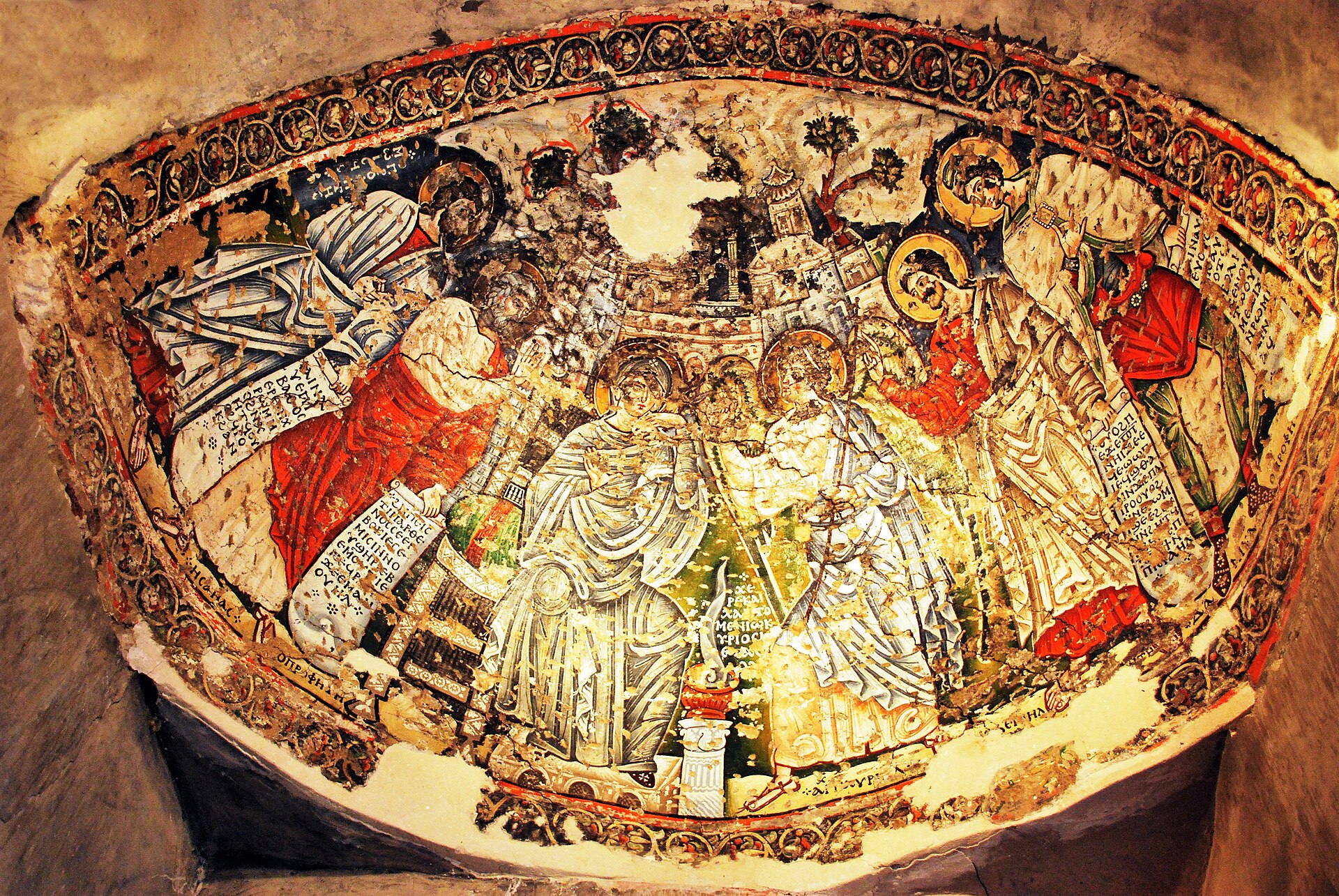
- The Syrians (Deir al-Suryan), founded in the 6th century and occupied by Syrian monks until the 16th. Its Church of the Virgin, from around 980, keeps a painting of the Ascension and a 10th-century ivory iconostasis screen; its library holds hundreds of old manuscripts.
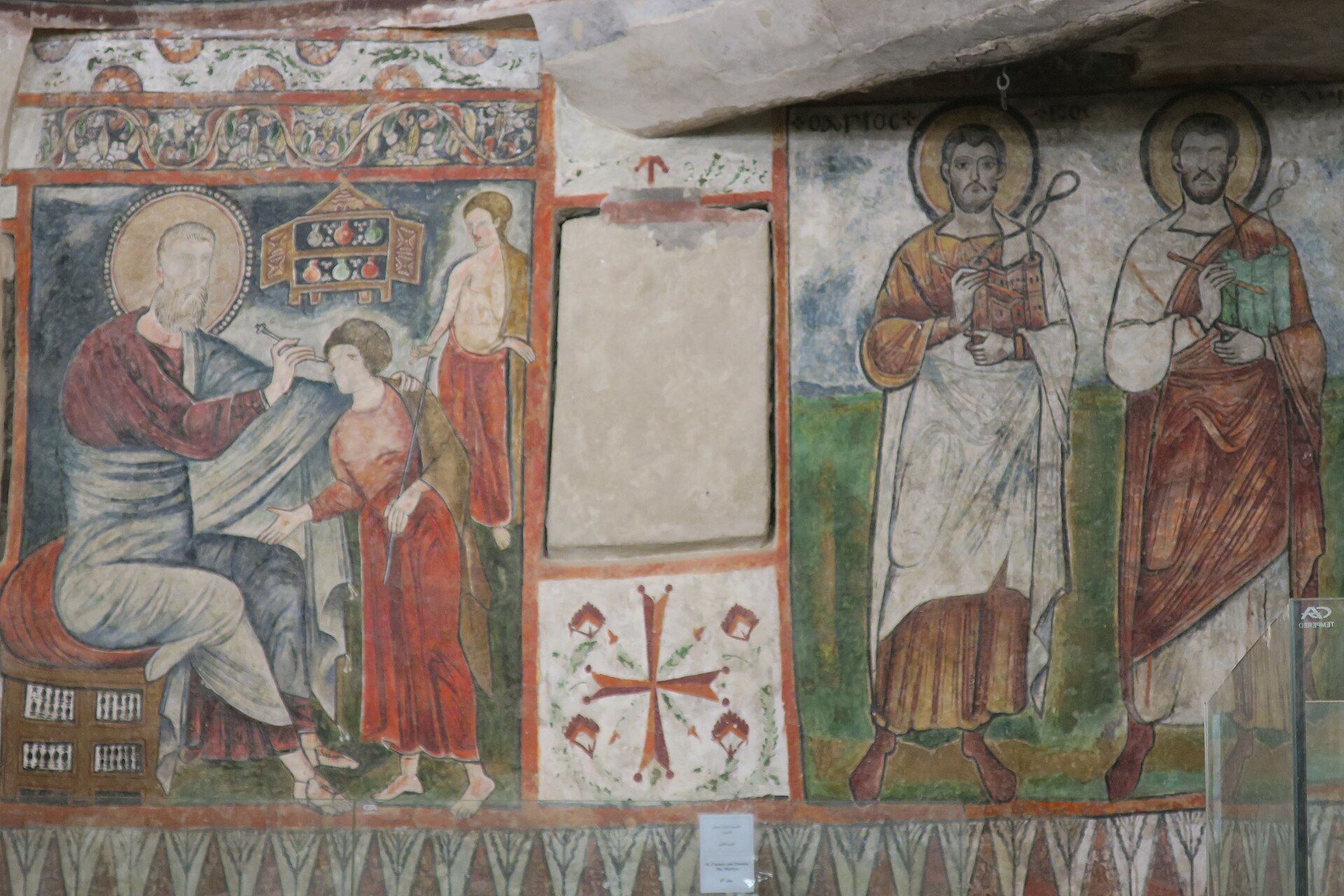
- The Romans (Deir al-Baramus), with a three-storey tower holding 7th-century remains and a Church of Saint Michael with 12th-century frescoes.
Planning the visit
Saint Macarius is 94 km from Cairo; the other three monasteries are about ten kilometres from it. Access is by the desert highway between Cairo and Alexandria. The visit fits into half a day, two or three monasteries of your choice, and sits naturally on the road to Alexandria.
The monasteries are living communities. Entry is free and you leave a donation. A monk often shows visitors around: it is the best way to understand the place. Some parts remain closed to visitors, and photography rules vary from one monastery to another. Modest dress is expected: arms and legs covered, and a headscarf for women in the churches.
Terrorist threats have targeted religious sites and tourist places in particular; your ministry's advice appears in the "Travel advice" table on this page. Sabaro advises visiting with a driver and guide, by day.
What to see
- Monastery of Saint Macarius (Deir Abu Maqar) — founded in the 4th century; the largest of the four UNESCO, liste indicative (The monasteries of the Arab Desert and Wadi Natrun)
- Monastery of Saint Bishoy (Deir Anba Bishoy) — five churches within a walled enclosure; Well of the Martyrs UNESCO, liste indicative (The monasteries of the Arab Desert and Wadi Natrun)
- Monastery of the Syrians (Deir al-Suryan) — Church of the Virgin (c. 980), 10th-century Ascension painting and ivory iconostasis screen UNESCO, liste indicative (The monasteries of the Arab Desert and Wadi Natrun)
- Monastery of the Romans (Deir al-Baramus) — three-storey tower with 7th-century remains, 12th-century frescoes UNESCO, liste indicative (The monasteries of the Arab Desert and Wadi Natrun)
- Natron lakes — salt lakes whose natron was used in mummification experienceegypt.eg (office de tourisme)
Getting there
- Halfway between Cairo and Alexandria, in the desert experienceegypt.eg (office de tourisme)
- Deir Abu Maqar 94 km from Cairo; the other three monasteries 10 km from it UNESCO, liste indicative (The monasteries of the Arab Desert and Wadi Natrun)
- Access by Highway 75 between Cairo and Alexandria Wikivoyage (Wadi El Natrun)
By air
| Airport | By road | Direct flights |
|---|---|---|
| Sphinx (Cairo) (SPX) | 75 km, 1h11 |
|
| Cairo (CAI) | 132 km, 1h44 |
|
| Alexandria Borg El Arab (HBE) | 95 km, 1h21 |
Read next
Travel advice
| Country | Official advice | Source |
|---|---|---|
| France | Increased vigilance (yellow) on the map; terrorist threats have targeted religious sites and tourist places in particular | diplomatie.gouv.fr (Site last updated 21 September 2026) |
| United Kingdom | Wadi Natrun is not named; the FCDO advises against all but essential travel west of the Nile Valley and Delta, except named areas: the status of the valley, on the western edge of the Delta, needs checking | GOV.UK (Site last updated 4 August 2026) |
| Belgium | Not checked by Sabaro: see diplomatie.belgium.be | |
| Switzerland | Not checked by Sabaro: see DFAE (eda.admin.ch) | |
| Luxembourg | Not checked by Sabaro: see mae.gouvernement.lu | |
| Ireland | Not checked by Sabaro: see ireland.ie (DFA) | |
| Germany | Not checked by Sabaro: see Auswärtiges Amt | |
| Sweden | Not checked by Sabaro: see Regeringen (UD) | |
| Denmark | Not checked by Sabaro: see Udenrigsministeriet (um.dk) | |
| Norway | Not checked by Sabaro: see Regjeringen | |
| Poland | Not checked by Sabaro: see Odyseusz (MSZ) | |
| Czechia | Not checked by Sabaro: see MZV ČR | |
| Austria | Not checked by Sabaro: see BMEIA | |
| Netherlands | Not checked by Sabaro: see Nederland Wereldwijd | |
| Italy | Not checked by Sabaro: see Viaggiare Sicuri | |
| Spain | Not checked by Sabaro: see exteriores.gob.es | |
| Portugal | Not checked by Sabaro: see Portal das Comunidades | |
| Finland | Not checked by Sabaro: see Ulkoministeriö (um.fi) | |
Rules change: always check the official website before you travel.
Frequently asked questions
How many monasteries can I see?
Four survive: Saint Macarius, Saint Bishoy, the Syrians and the Romans. In half a day you can visit two or three.
Is the site UNESCO-listed?
It has been on the Tentative List since 28 July 2003, together with the monasteries of Saint Anthony and Saint Paul near the Red Sea.
Can I stop there between Cairo and Alexandria?
Yes: the valley is halfway between the two cities, on the desert highway; Saint Macarius is 94 km from Cairo.
Is there an entrance fee?
No, entry is free; a donation is welcome.
A travel advisor replies by email. Free, no commitment.