Safi
Safi is an Atlantic port town between Oualidia and Essaouira, one of Morocco's ceramic capitals, with its potters' hill, its national museum and the fortresses left by the Portuguese. For craft lovers, as a one-day stop on the coast road, and for experienced surfers who come for the Garden wave.
A town of potters
Safi is a port town that lives from the sea and from clay. What people come to see comes down to one word: ceramics. Glazed pottery has been made here since at least the twelfth century; among other things, the town produced water gourds for pilgrims leaving Safi for Mecca.
The turning point came in the twentieth century. Boujemaâ Lamali, a ceramist born in Algiers in 1890 and trained at the national porcelain works of Sèvres, settled in Safi in 1919 and began by training the potters on the hill. In August 1920 he opened a ceramics school, the first of its kind in Morocco. His work shaped most of Safi's ceramists, and the town became, after Fez, Morocco's ceramics capital.
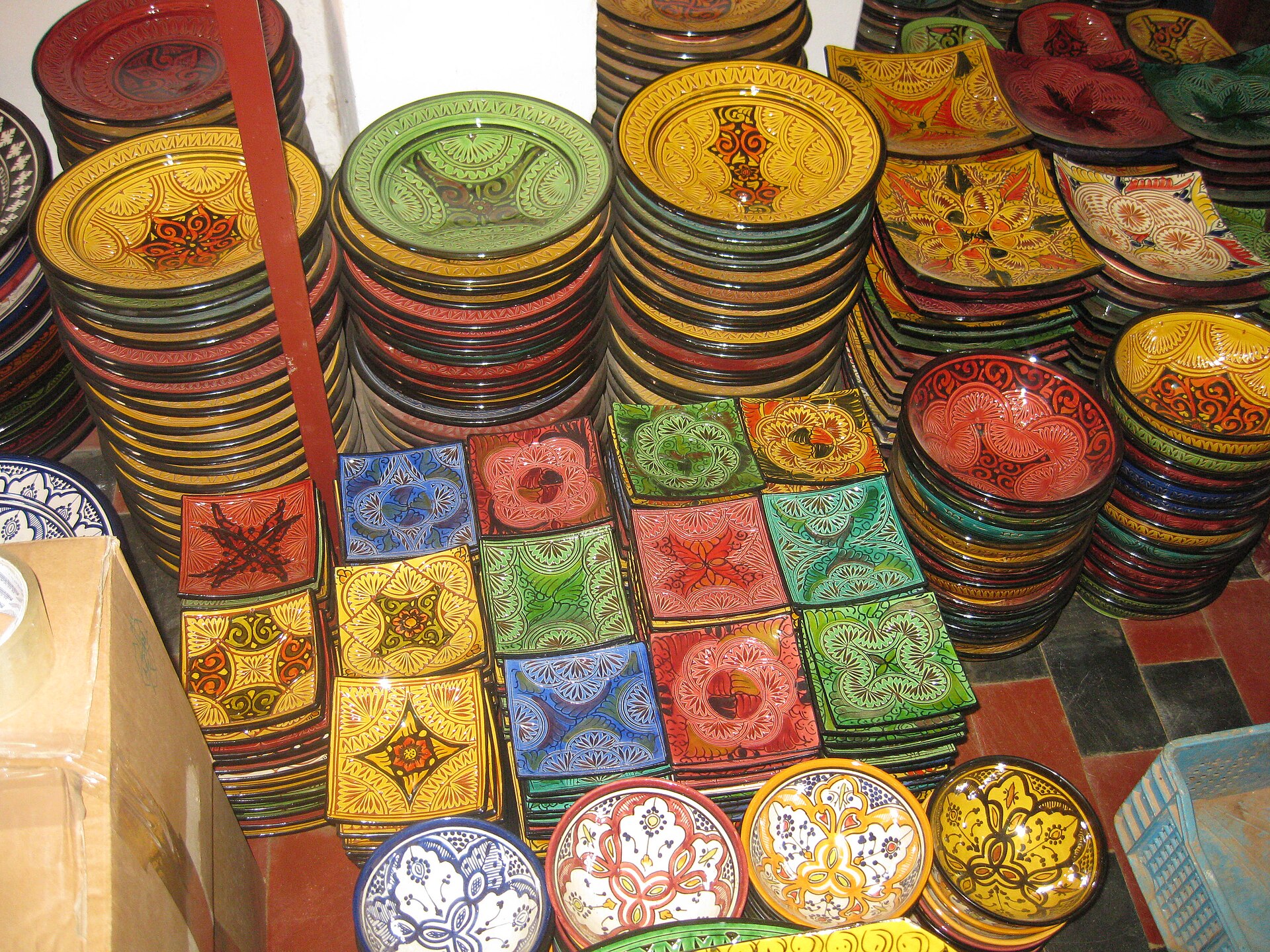
The potters' hill is the workshop district. You watch craftsmen at the wheel and buy directly in the shops, where terracotta and clay pieces are on display; the small decorative objects are easy to take home. Sabaro suggests going in the morning, when the workshops are busy.
The National Museum of Ceramics, housed in the Kechla and renovated in 2018 by the National Museums Foundation (FNM, the public body that runs Morocco's main museums), tells this story in seven rooms: from prehistory to the Middle Ages, then the ceramics of Chichaoua, the Rif, Tamegroute and the High Atlas, before rooms devoted to nineteenth-century Safi, to Lamali and his contemporaries, and to the years 1960 to 2000. It is the right introduction before the hill: you learn to recognise what you will then see in the workshops.
Fortresses facing the ocean
The Portuguese held Safi until 1541, then abandoned it to the Saadians. Three traces remain, which can be seen in a single morning:
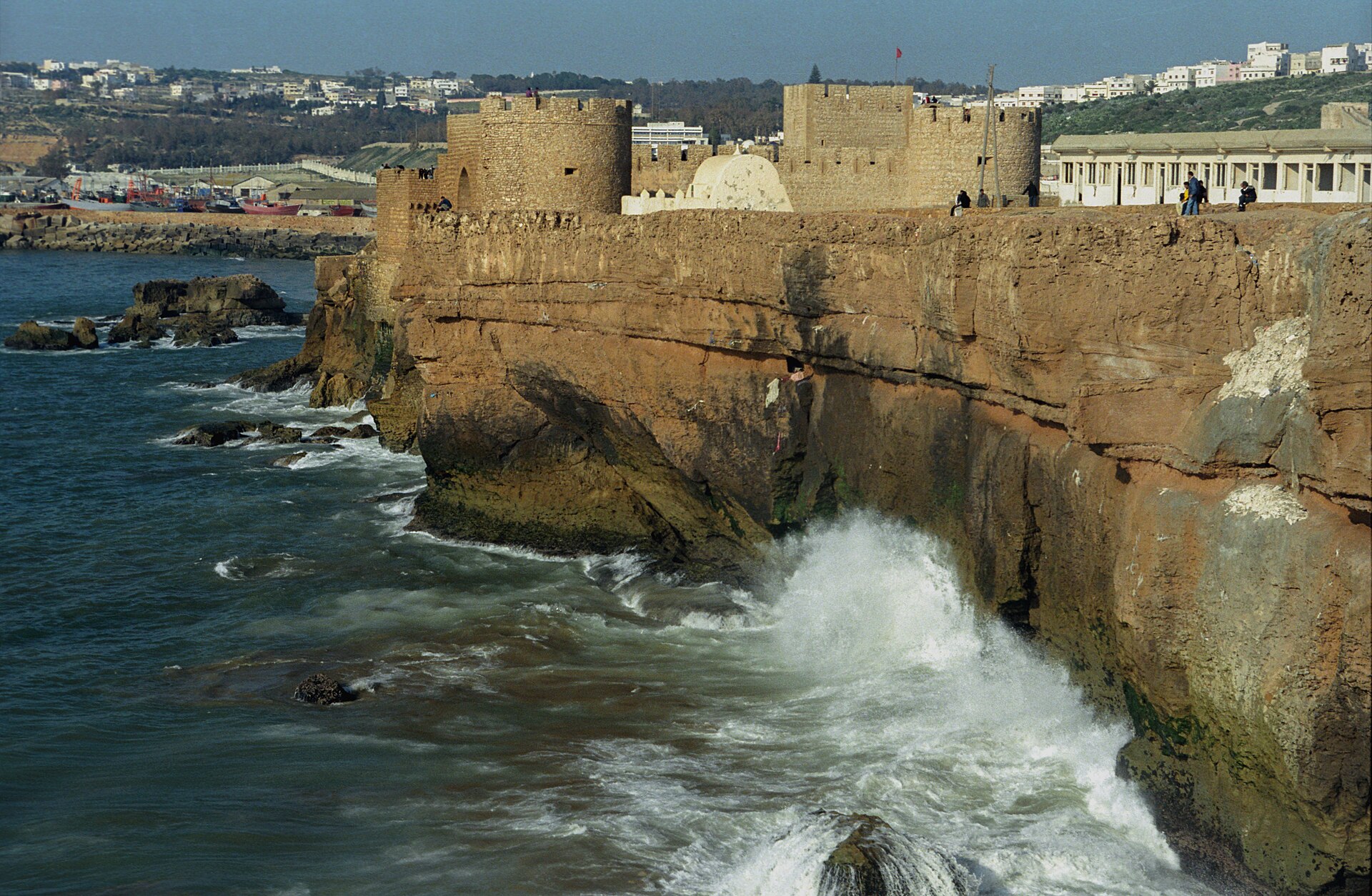
- The Kechla, a fortress with high crenellated walls, towers and old cannons facing the ocean; according to the Moroccan National Tourist Office, it is the main remnant of the Portuguese occupation. Its towers look over the seafront and the old medina.
- Ksar el-Bahr, the "sea castle", a Portuguese fort at the water's edge.
- The remains of the Portuguese cathedral, in Gothic style, in the medina.
Between these monuments, the medina is best explored without a map, following Rue du Souk, the liveliest street, where merchants sell pottery, carpets, leather and lamps.
Garden, a wave for experienced surfers
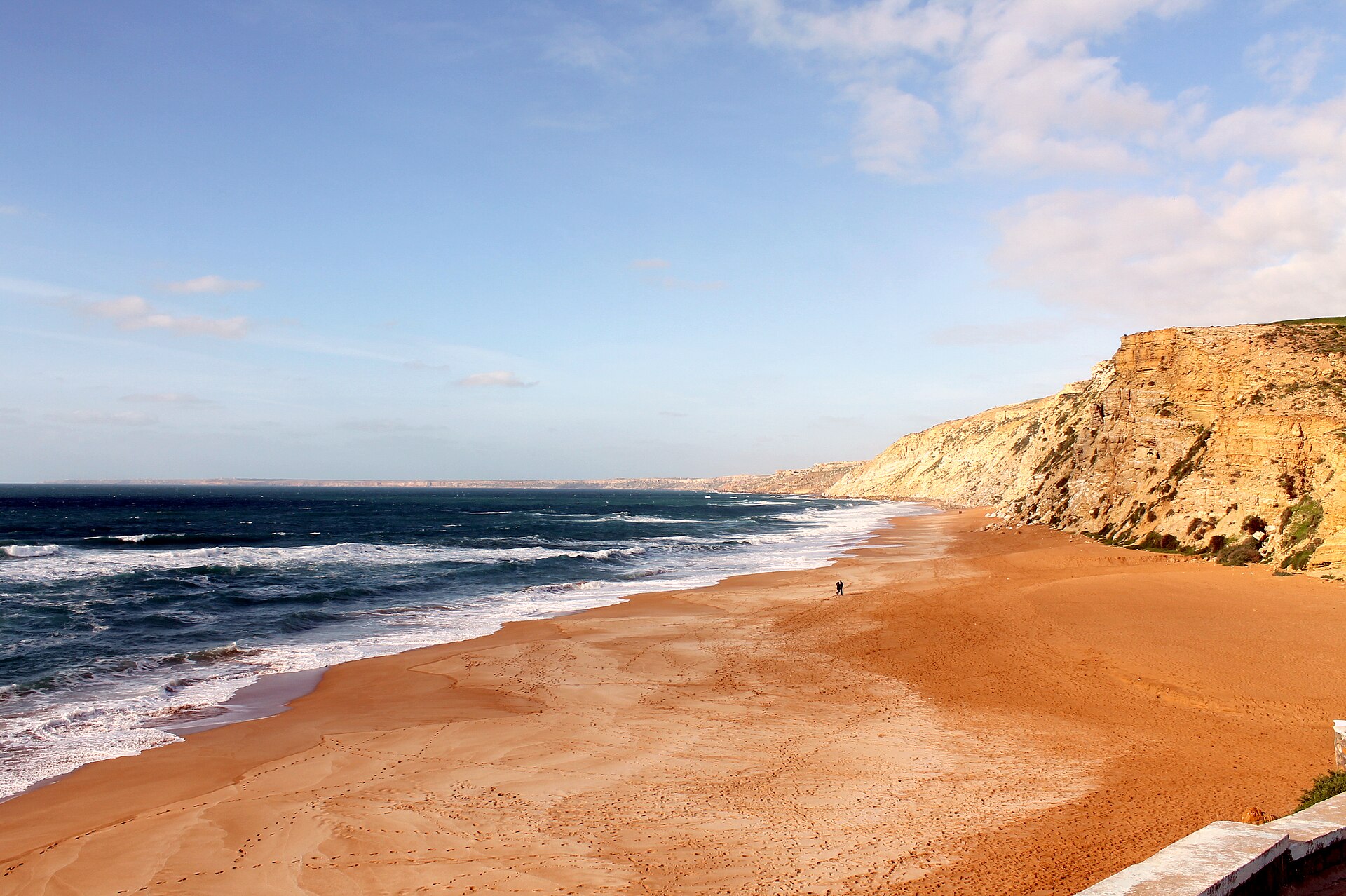
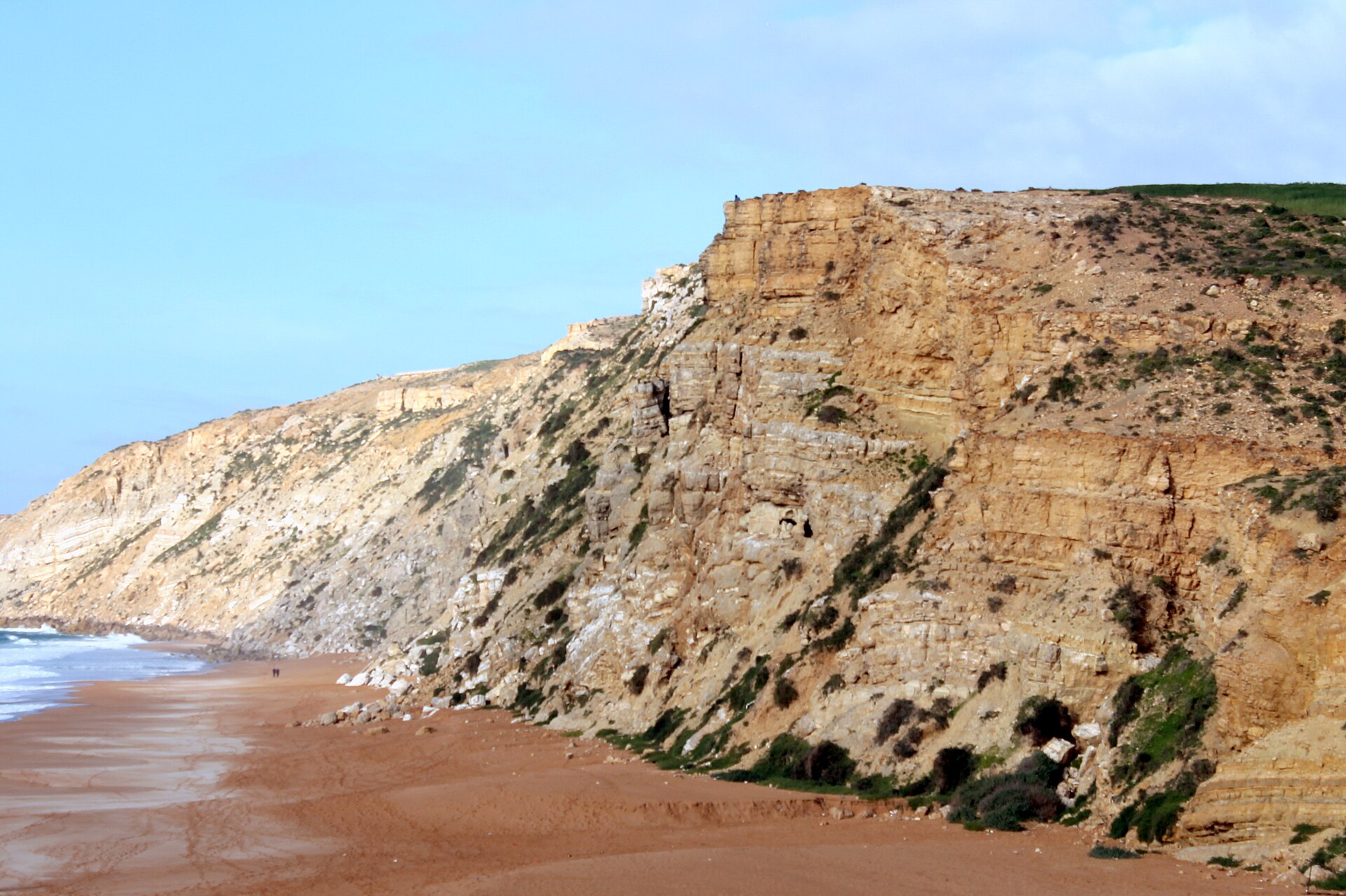
Safi is known to surfers for one wave, Garden, or Le Jardin: a powerful, hollow right-hander that forms long barrels. It only works with a big winter swell, preferably at low tide, and only really fires a few days a year. It is for experienced surfers only. Sabaro sends beginners to the schools of Essaouira or Taghazout; for a beach day, Lalla Fatna is the best known nearby.
Getting organised
- A one-day stop. Safi can be seen in a day: the museum and the Kechla in the morning, then the potters' hill, the medina and Ksar el-Bahr later in the day. It fits naturally between Oualidia and Essaouira on the coast road.
- Access. Safi has no airport in service; the nearest are Marrakesh, 157.1 km and 2 h 15 by road, and Essaouira, 122.5 km and 1 h 50. El Jadida is 150.3 km away.
- Heat. Safi is warmer than Essaouira: according to the World Meteorological Organization (WMO) 1991-2020 normals, the average high reaches 29.1 °C in July and 29.3 °C in August, against under 23 °C in Essaouira. In spring and autumn it ranges from 21.5 °C in March to 25.5 °C in October.
What to see
- Kechla — crenellated fortress facing the ocean, the main remnant of the Portuguese occupation visitmorocco.com (ONMT)
- Ksar el-Bahr (Dar el-Bahar) — Portuguese seafront fort visitmorocco.com (ONMT)
- Portuguese cathedral — remains of a Gothic cathedral visitmorocco.com (ONMT)
- Potters' hill — district where terracotta is made and sold visitmorocco.com (ONMT)
- National Museum of Ceramics — run by the National Museums Foundation, reopened in 2018 after renovation Fondation nationale des musées (FNM), revue de presse 2018
- Lalla Fatna beach visitmorocco.com (ONMT)
Getting there
- No airport in service at Safi (airfield closed); Marrakesh-Menara (RAK) and Essaouira-Mogador (ESU) airports Wikipédia (aéroports du Maroc)
- Marrakesh 157.1 km and 2 h 15; Essaouira 122.5 km and 1 h 50 visitmorocco.com (ONMT)
By air
| Airport | By road | Direct flights |
|---|---|---|
| Essaouira–Mogador (ESU) | 126 km, 2h14 |
|
| Casablanca Mohammed V (CMN) | 254 km, 2h53 |
|
| Marrakesh Menara (RAK) | 159 km, 3h06 |
|
Read next
Travel advice
| Country | Official advice | Source |
|---|---|---|
| France | Outside the areas marked on the map: vigilance in public places, avoid travelling alone in isolated places | France Diplomatie (Site last updated 15 September 2026) |
| United Kingdom | No area-specific advice: the FCDO 'Regional risks' section only covers Western Sahara and the Algeria border | GOV.UK (FCDO) (Site last updated 19 August 2026) |
| Belgium | Not checked by Sabaro: see diplomatie.belgium.be | |
| Switzerland | Not checked by Sabaro: see DFAE (eda.admin.ch) | |
| Luxembourg | Not checked by Sabaro: see mae.gouvernement.lu | |
| Ireland | Not checked by Sabaro: see ireland.ie (DFA) | |
| Germany | Not checked by Sabaro: see Auswärtiges Amt | |
| Sweden | Not checked by Sabaro: see Regeringen (UD) | |
| Denmark | Not checked by Sabaro: see Udenrigsministeriet (um.dk) | |
| Norway | Not checked by Sabaro: see Regjeringen | |
| Poland | Not checked by Sabaro: see Odyseusz (MSZ) | |
| Czechia | Not checked by Sabaro: see MZV ČR | |
| Austria | Not checked by Sabaro: see BMEIA | |
| Netherlands | Not checked by Sabaro: see Nederland Wereldwijd | |
| Italy | Not checked by Sabaro: see Viaggiare Sicuri | |
| Spain | Not checked by Sabaro: see exteriores.gob.es | |
| Portugal | Not checked by Sabaro: see Portal das Comunidades | |
| Finland | Not checked by Sabaro: see Ulkoministeriö (um.fi) | |
Rules change: always check the official website before you travel.
Frequently asked questions
Where can I see and buy Safi ceramics?
On the potters' hill, where craftsmen work and sell in their shops, and at the National Museum of Ceramics, in the Kechla, to understand the styles before buying.
How do I get there from Marrakesh?
By road: 157.1 km, about 2 h 15. Safi has no airport in service; the nearest are Marrakesh and Essaouira.
Is surfing in Safi suitable for beginners?
No: the Garden wave, powerful and hollow, only works with big winter swells and is for experienced surfers. To learn, Essaouira and Taghazout have schools.
How long should I stay in Safi?
One day is enough for the museum, the potters' hill, the Kechla and the medina. Safi combines with Oualidia to the north and Essaouira to the south.
A travel advisor replies by email. Free, no commitment.