Marsa Alam
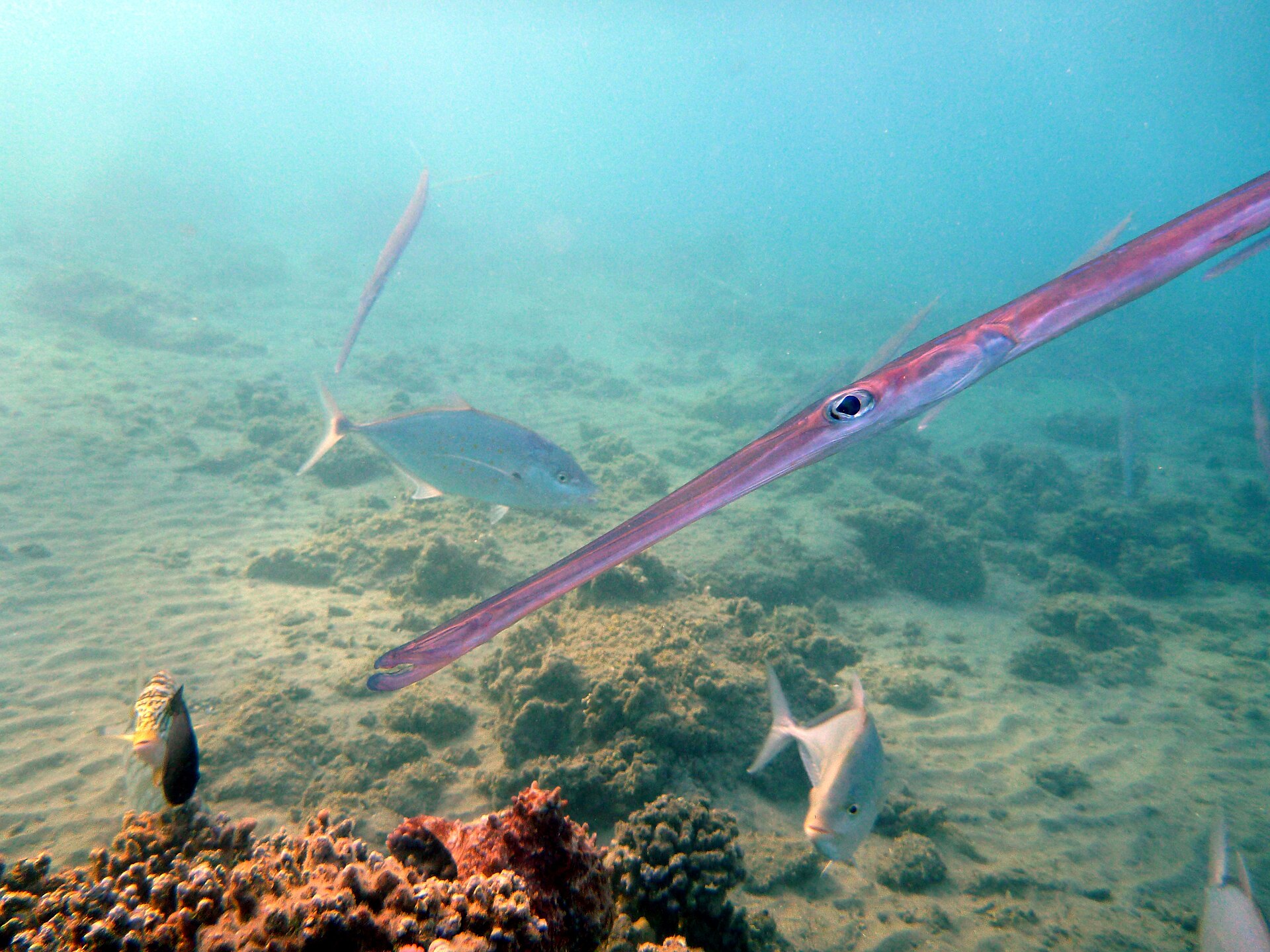
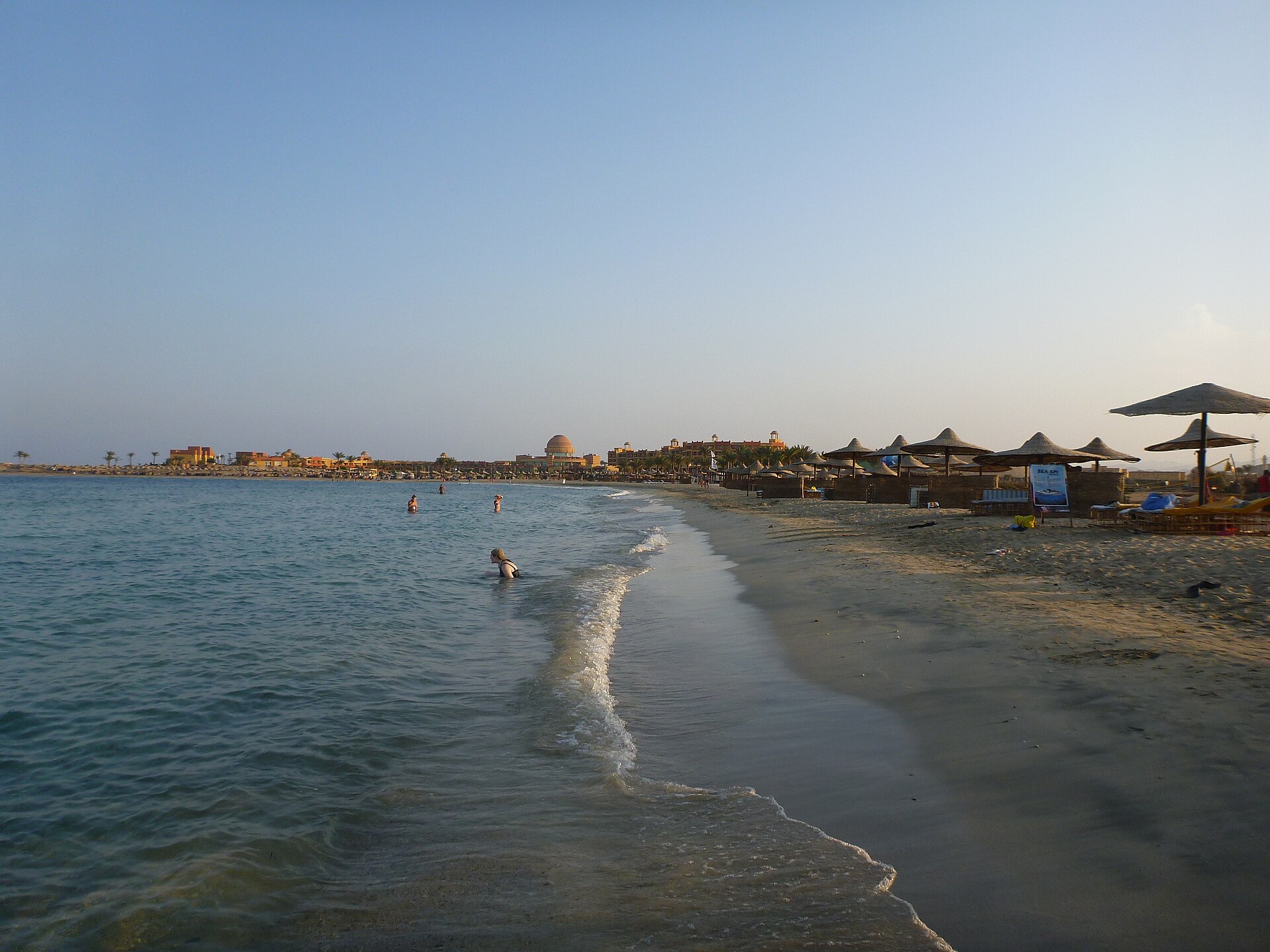
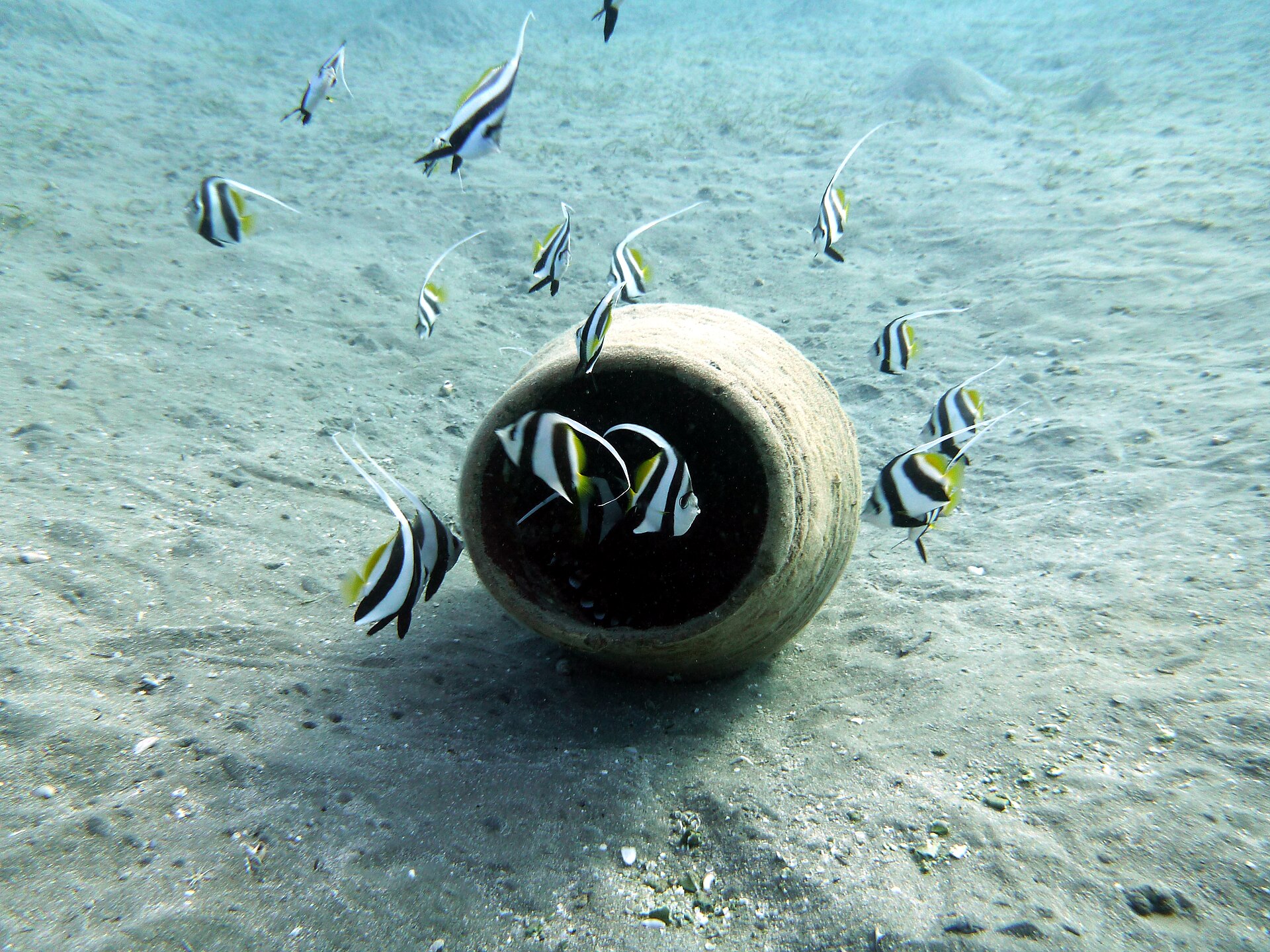
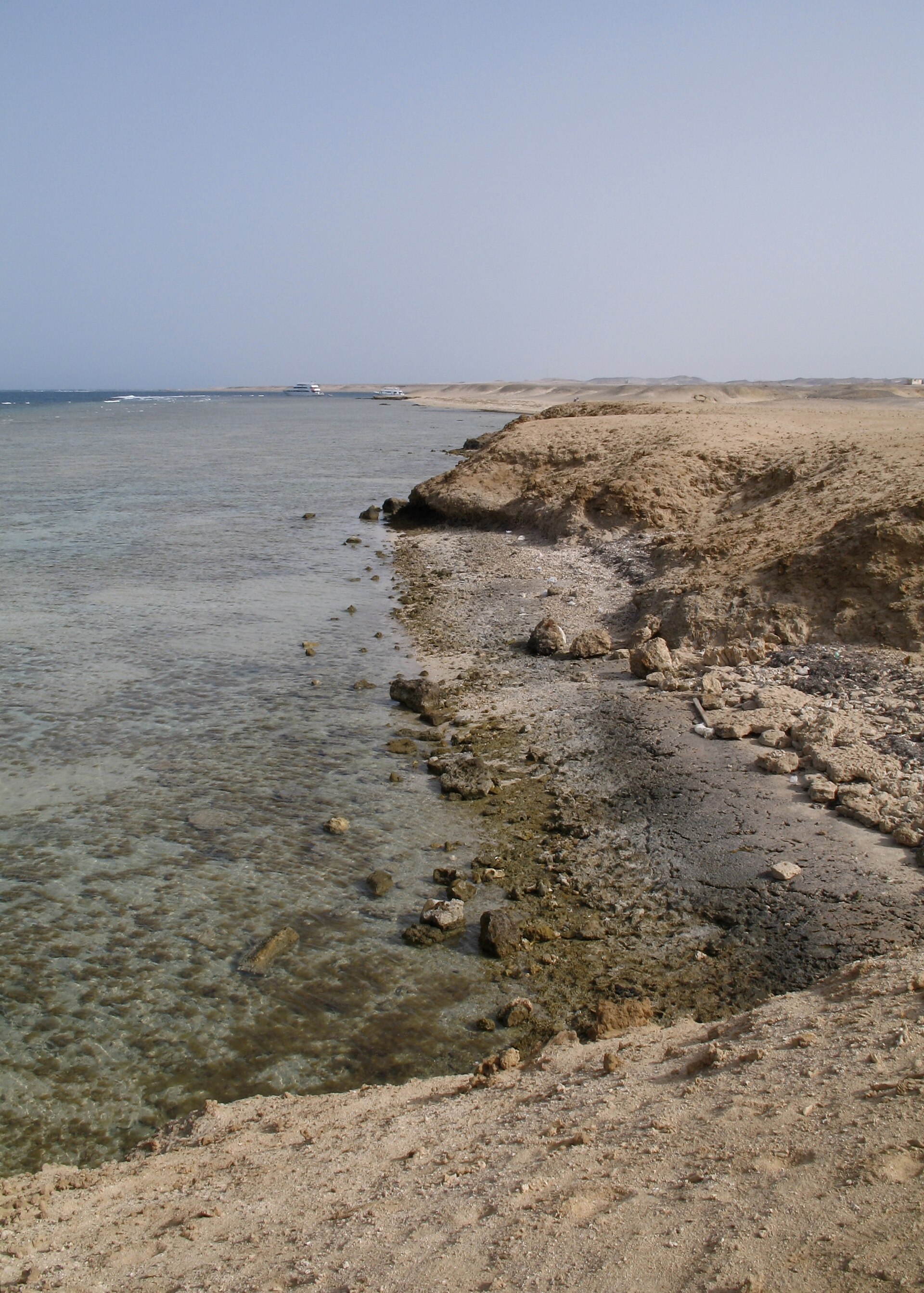
Marsa Alam, on the southern stretch of Egypt's Red Sea coast, is a coastline of dive villages and resorts spread over more than a hundred kilometres, with its own airport: reefs reached from the beach, the dolphins of Samadai, the dugongs of Abu Dabbab, Elphinstone and Wadi el-Gemal National Park. For divers, snorkellers and travellers who want a less built-up Red Sea, with a slightly milder winter than Hurghada.
A coast to choose from, north to south
Marsa Alam is first of all a name for a whole coastline. Tourist development began in 1995, driven by the Kuwaiti Al-Kharafi group, and the international airport opened to commercial flights in October 2001. Since then, hotels have settled bay after bay, often far apart, and the small town of Marsa Alam, 65 km south of the airport, remains modest.
The choice of bay matters more than the town. From north to south:
- El Quseir, an old port town to the north: an Ottoman citadel, a Roman port and a souk, visited on an excursion from the hotels.
- Port Ghalib, 4 km from the airport: a marina that can take more than a thousand yachts, the starting point for many diving cruises. About ten kilometres north, on Coraya Bay, the Steigenberger Coraya Beach, an adults-only hotel in the Sabaro selection, stretches along an 800 m private beach with direct access to the reefs.
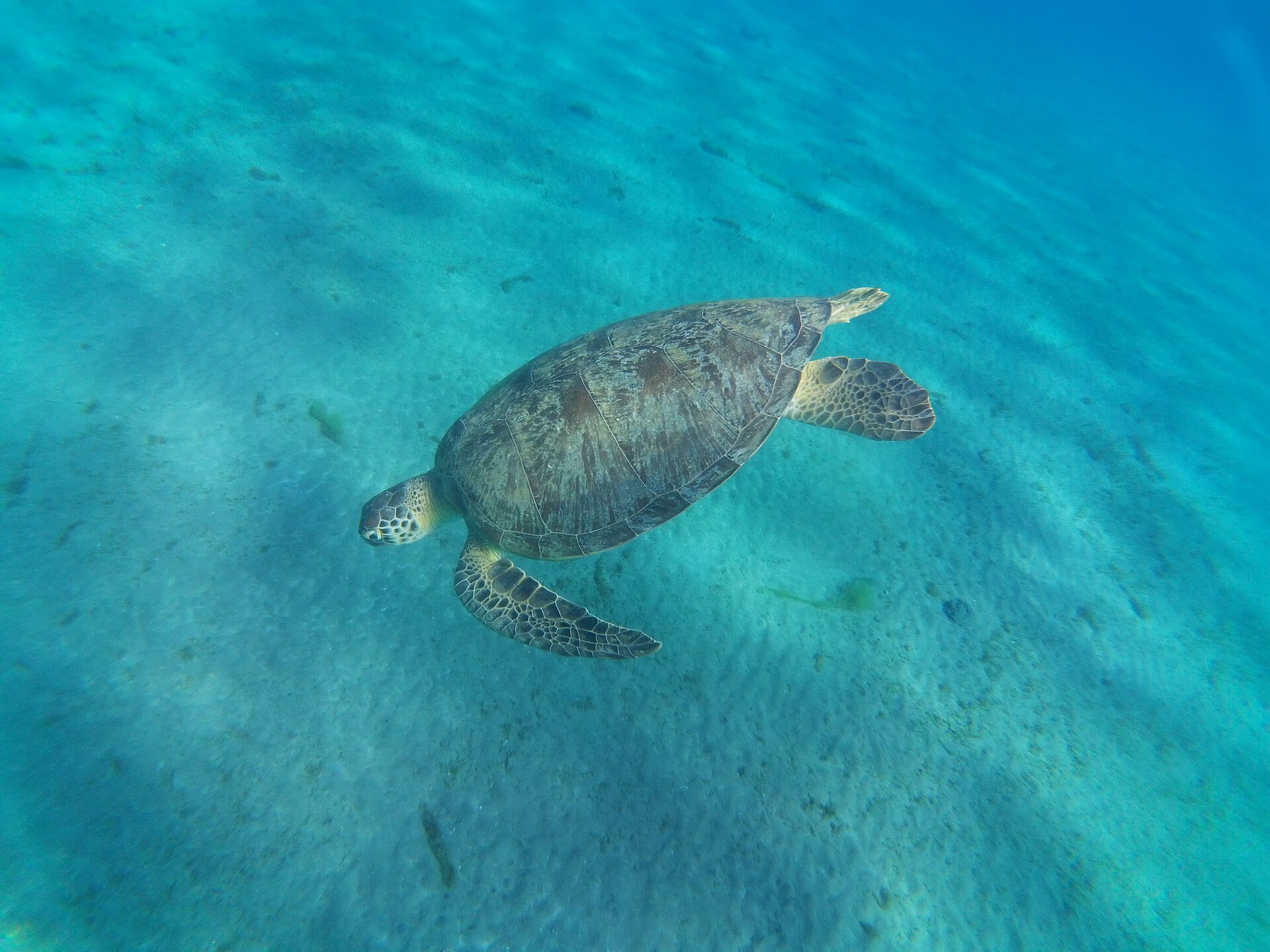
- Abu Dabbab Bay, 28 km from the airport: seagrass beds, turtles and dugongs. The Nubian-style Hilton Marsa Alam Nubian Resort welcomes families here, with four pools and a kids' club.
- Marsa Shagra, north of the town: the Red Sea Diving Safari dive village, from tents to chalets, with a reef reached from the beach. Its sister villages at Marsa Nakari and Wadi Lahami, further south, follow the same idea.
- The deep south, towards Hamata and Wadi Lahami: Wadi el-Gemal National Park and Sataya reef.
Sabaro recommends staying close to what you have come to see: distances between bays run to dozens of kilometres, on a single coast road.
Three encounters, three sets of rules
The dolphins of Samadai. Samadai reef, about 15 km south-east of Marsa Alam and 40 to 50 minutes by boat, shelters a lagoon where spinner dolphins come to rest. Since 2013 the site has been managed by HEPCA (the Hurghada Environmental Protection and Conservation Association, an Egyptian marine conservation association), which has divided it into zones: the inner lagoon is closed to all activity, swimming with the dolphins takes place only in a marked zone, with no boats and with a guide, and diving in a third zone. A buoyancy vest is compulsory in the water, and touching or chasing the dolphins is forbidden. They are seen on most days, without guarantee.
Not to be confused: Sataya reef, which providers also call "Dolphin House", lies more than 100 km south of Samadai, and trips usually leave from Hamata jetty. Check which of the two is on the programme before booking.
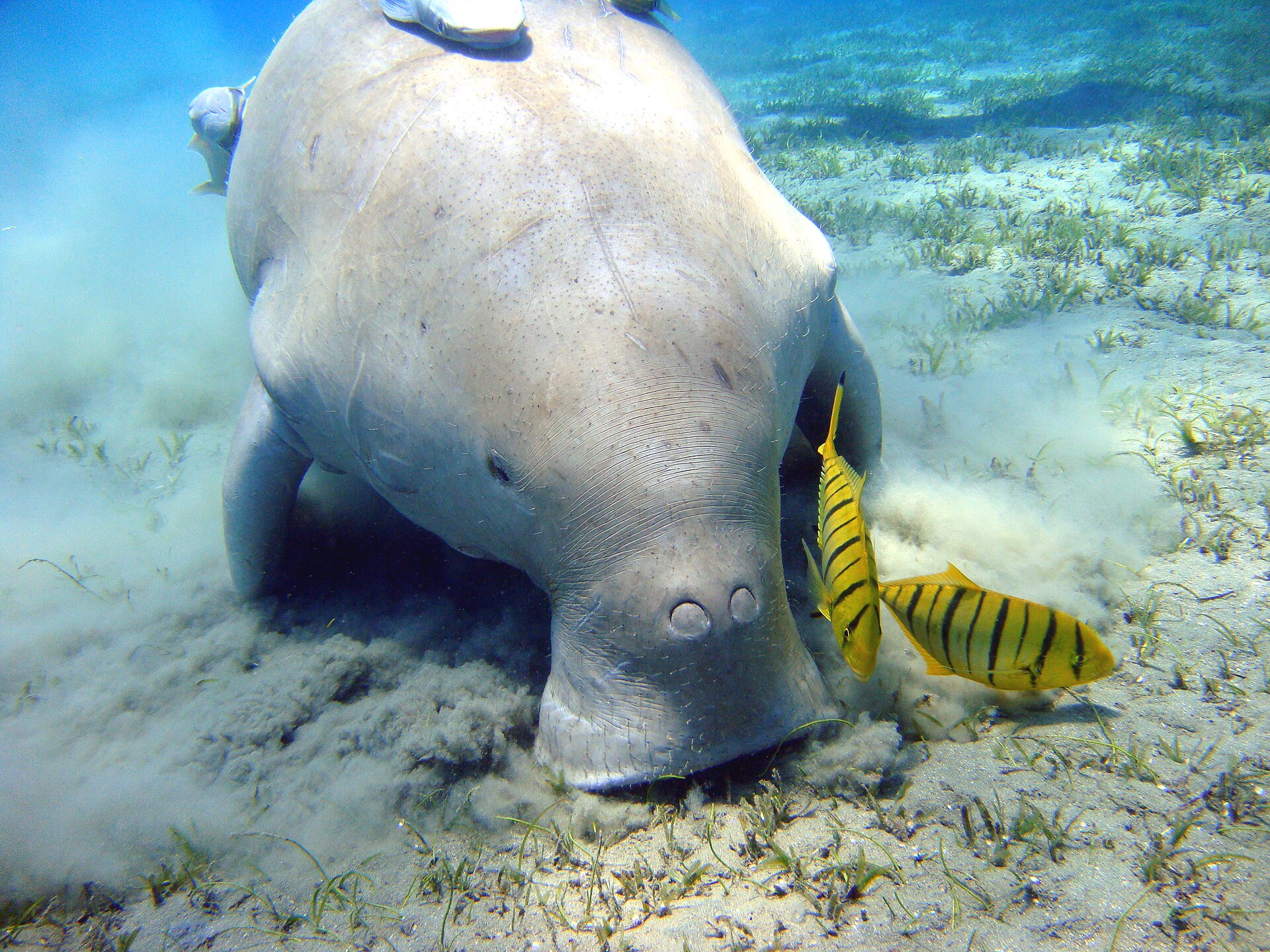
The dugongs. Few remain in the Red Sea, and a handful live around Marsa Alam. These marine mammals feed in seagrass beds, as green turtles do; snorkellers look for them at Abu Dabbab and Marsa Mubarak. An encounter is possible, never certain. Sabaro advises keeping your distance and letting the animal come to you.
Sharks. Some Red Sea species are dangerous: accidents are rare but can be fatal. Follow the instructions of dive centres and announcements from the local authorities.
Diving: from the shore, offshore, on a cruise
Marsa Alam can be dived on three scales.
- From the beach. Several hotels and dive villages have a house reef: you get into the water without a boat. This is how Marsa Shagra works, with a PADI centre (Professional Association of Diving Instructors, an international diver-training organisation).
- Offshore. Elphinstone, about 30 km from Port Ghalib, is a reef with walls of about 40 m, drop-offs to 100 m and sometimes strong currents. It is for experienced divers only; the east wall is best dived in the morning and the west wall in the afternoon.
- On a cruise. Diving cruises leave Port Ghalib for the Brothers, two rocky pinnacles about 60 nautical miles offshore, in a national park, or for Elphinstone and the south. These cruises are for experienced divers: the operator Emperor Divers, for example, asks for 50 logged dives and PADI Advanced Open Water or equivalent.
Marsa Alam has a decompression chamber. Dive with insurance that covers diving and repatriation. On a cruise, check that the boat and its passengers are covered.
Wadi el-Gemal, desert by the sea
Wadi el-Gemal National Park, "the valley of camels", was created in January 2003; it covers 4,770 km² of land, a large marine area, reefs and several islands. Its visitor centre is about 50 km south of Marsa Alam. Dorcas gazelles, Nubian ibex and Barbary sheep live here, and the islands are nesting sites for seabirds. The park also holds prehistoric rock art, Ptolemaic and Roman ruins, and the ancient emerald mines of Mons Smaragdus, worked as early as ancient Egypt.
Camel trips lead to meetings with Bedouins, with coffee brewed in a jebena, a clay coffee pot. Sabaro recommends going with a local guide.
A slightly milder winter
Marsa Alam lies further south than Hurghada, and it shows in winter: the average January high is about 24 °C, against 22.2 °C in Hurghada. The sea is at its coolest in February, around 23 °C, and at its warmest in August, around 30 °C. Summer is hot, with highs of around 35 °C, and the southern Red Sea can be dived all year.
Luxor from Marsa Alam
Luxor is far: about 350 km, a little over 4 hours by road, via the Edfu road or via El Quseir and Qena. Day trips last about 11 hours. Sabaro instead recommends visiting Luxor before or after your beach stay, with at least one night there, and driving by day: driving at night outside towns should be ruled out.
What to see
- Samadai Reef (Dolphin House) — dolphins' resting place experienceegypt.eg
- Marsa Mubarak and Abu Dabbab Bay — dugongs and green turtles experienceegypt.eg
- Elphinstone Reef — for experienced divers Routard
- Wadi el-Gemal National Park — Nubian ibex, gazelles, ancient emerald mines Routard
- El Quseir, Ottoman citadel Routard
When to go
Climate in Marsa Alam
| Jan | Feb | Mar | Apr | May | Jun | Jul | Aug | Sep | Oct | Nov | Dec | |
|---|---|---|---|---|---|---|---|---|---|---|---|---|
| Max. (°C) | 24.1 | 25.1 | 26.9 | 29.8 | 33.1 | 34.7 | 35.5 | 35.6 | 34.2 | 32.6 | 29.3 | 25.5 |
| Sea (°C) | 23.4 | 22.8 | 23.0 | 23.8 | 25.5 | 27.4 | 29.2 | 30.0 | 29.2 | 27.9 | 26.6 | 24.9 |
Source: Wikipedia (Marsa Alam), d'après Climate-Data.org — period not stated; Climate-Data.org values (aggregator, climate model), accessed 14 October 2026
Sea (°C): seatemperature.info — monthly mean surface temperature computed by the site over the last ten years, accessed 14 October 2026
Getting there
- Marsa Alam International Airport experienceegypt.eg
By air
| Airport | By road | Direct flights |
|---|---|---|
| Marsa Alam (RMF) | 69 km, 0h51 |
|
| Hurghada (HRG) | 277 km, 3h17 |
|
Hotels chosen in the region
| Hotel | Category | Suits | Guest rating | Indicative price |
|---|---|---|---|---|
| Hilton Marsa Alam Nubian Resort | 5-star hotel | Family, Beach, Diving, Spa and wellness | 4,7/5 (Tripadvisor) | from 156 € per night |
| Red Sea Diving Safari – Marsa Shagra | Dive village | Diving, Beach | 9,3/10 (Booking.com) | from 186 € per night |
| Steigenberger Coraya Beach | 5 stars, adults only | Adults only, Diving, Beach, Spa and wellness | 9,8/10 (Booking.com (relayé par Kayak)) | from 123 € per night |
Chosen activities
- Boat trip to Sataya Reef (Dolphin House), snorkelling with dolphins — 9 hours · from 63 € per person
Public price collected on: Civitatis — accessed 14 October 2026
- Snorkelling at Marsa Mubarak — 8 hours · from 41 € per person
Public price collected on: Civitatis — accessed 14 October 2026
- Sunset 4x4 and camel ride, dinner and show in the desert — 7 hours · from 23 € per person
Public price collected on: Civitatis — accessed 14 October 2026
- Day trip to Luxor from Marsa Alam — 11 hours · from 160 € per person
Public price collected on: Civitatis — accessed 14 October 2026
Upcoming events
- 2 August 2027 Total solar eclipse of 2 August 2027
Diving: decompression chambers
- One decompression chamber in Marsa Alam diplomatie.gouv.fr
Read next
Travel advice
| Country | Official advice | Source |
|---|---|---|
| United Kingdom | Outside the advised-against areas | GOV.UK (Site last updated 4 August 2026) |
| France | No night driving outside towns; yachtsmen are advised to postpone Red Sea trips | diplomatie.gouv.fr (Site last updated 21 September 2026) |
| Belgium | Not checked by Sabaro: see diplomatie.belgium.be | |
| Switzerland | Not checked by Sabaro: see DFAE (eda.admin.ch) | |
| Luxembourg | Not checked by Sabaro: see mae.gouvernement.lu | |
| Ireland | Not checked by Sabaro: see ireland.ie (DFA) | |
| Germany | Not checked by Sabaro: see Auswärtiges Amt | |
| Sweden | Not checked by Sabaro: see Regeringen (UD) | |
| Denmark | Not checked by Sabaro: see Udenrigsministeriet (um.dk) | |
| Norway | Not checked by Sabaro: see Regjeringen | |
| Poland | Not checked by Sabaro: see Odyseusz (MSZ) | |
| Czechia | Not checked by Sabaro: see MZV ČR | |
| Austria | Not checked by Sabaro: see BMEIA | |
| Netherlands | Not checked by Sabaro: see Nederland Wereldwijd | |
| Italy | Not checked by Sabaro: see Viaggiare Sicuri | |
| Spain | Not checked by Sabaro: see exteriores.gob.es | |
| Portugal | Not checked by Sabaro: see Portal das Comunidades | |
| Finland | Not checked by Sabaro: see Ulkoministeriö (um.fi) | |
Rules change: always check the official website before you travel.
Frequently asked questions
Where should I stay in Marsa Alam?
Close to what you have come for: Port Ghalib for the airport and diving cruises, Abu Dabbab for turtles and dugongs, Marsa Shagra for diving from the beach, the south for Wadi el-Gemal and Sataya.
Can you see dugongs?
Sometimes, at Abu Dabbab and Marsa Mubarak, in the seagrass beds. Few remain in the Red Sea: an encounter is never certain.
Samadai or Sataya for the dolphins?
Both reefs are called "Dolphin House". Samadai is about 15 km south-east of Marsa Alam, with regulated zones; Sataya is more than 100 km to the south, reached from Hamata. Check the reef's name when booking.
Do I need to be a diver?
For Samadai and Abu Dabbab, a mask and snorkel are enough. Elphinstone and the Brothers are for experienced divers only.
Can I visit Luxor from Marsa Alam?
Yes, but the journey is long: about 350 km, more than 4 hours by road. Sabaro recommends at least one night in Luxor.
A travel advisor replies by email. Free, no commitment.