Sham el-Nessim, spring festival
All of Egypt
Sham el-Nessim, the spring festival celebrated by Egyptians of every faith, falls on the Monday after Coptic Easter: 3 May 2027. A public holiday of picnics by the Nile and in the gardens, with coloured eggs and salted fish.
Dates
- 3 May 2027
Source: copticchurch.net (Pâques coptes le 2 mai 2027) — accessed 11 October 2026
A festival from ancient Egypt
Sham el-Nessim means "smelling the breeze" in Arabic. It is the spring festival, and one of the oldest in the country: it is traced back to a harvest festival of Pharaonic Egypt, around 2700 BC, when salted fish was offered to the gods. The name is thought to come from shemu, the harvest season of the ancient calendar; the etymology is still debated.
With the Christianisation of Egypt, the festival settled on the day after Easter. It now falls on the Monday after the Easter of the Coptic Orthodox Church, which follows a different calculation from the Western churches. In 2027 Coptic Easter falls on Sunday 2 May, and Sham el-Nessim on Monday 3 May.
Yet the festival is not religious: Christians and Muslims celebrate it together, and it is a public holiday for everyone.
A day outdoors
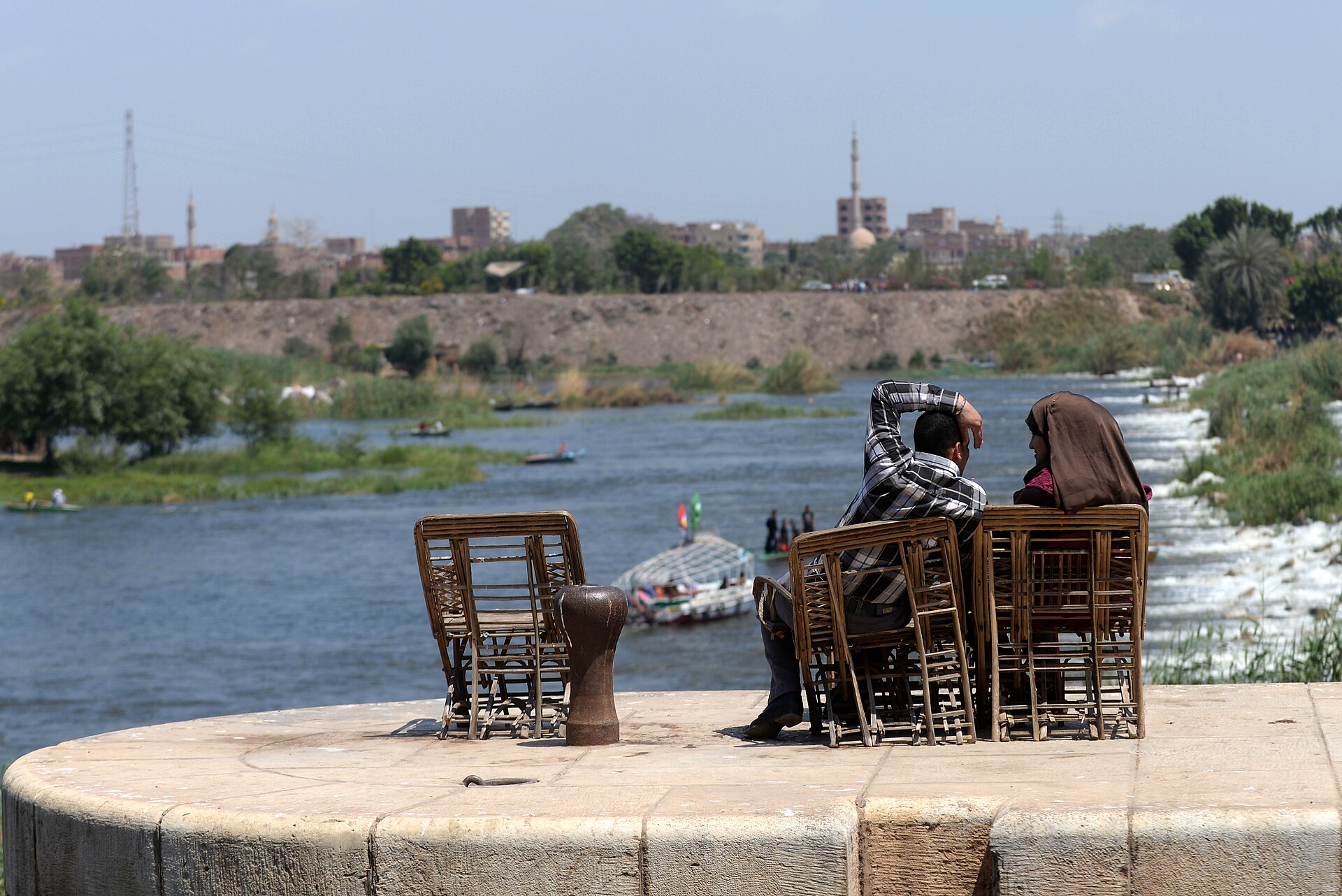
The idea is simple: spend the day outside with the family. From the morning, Egyptians settle in public gardens, on lawns, by the Nile or on feluccas, with a picnic whose menu is set by tradition:
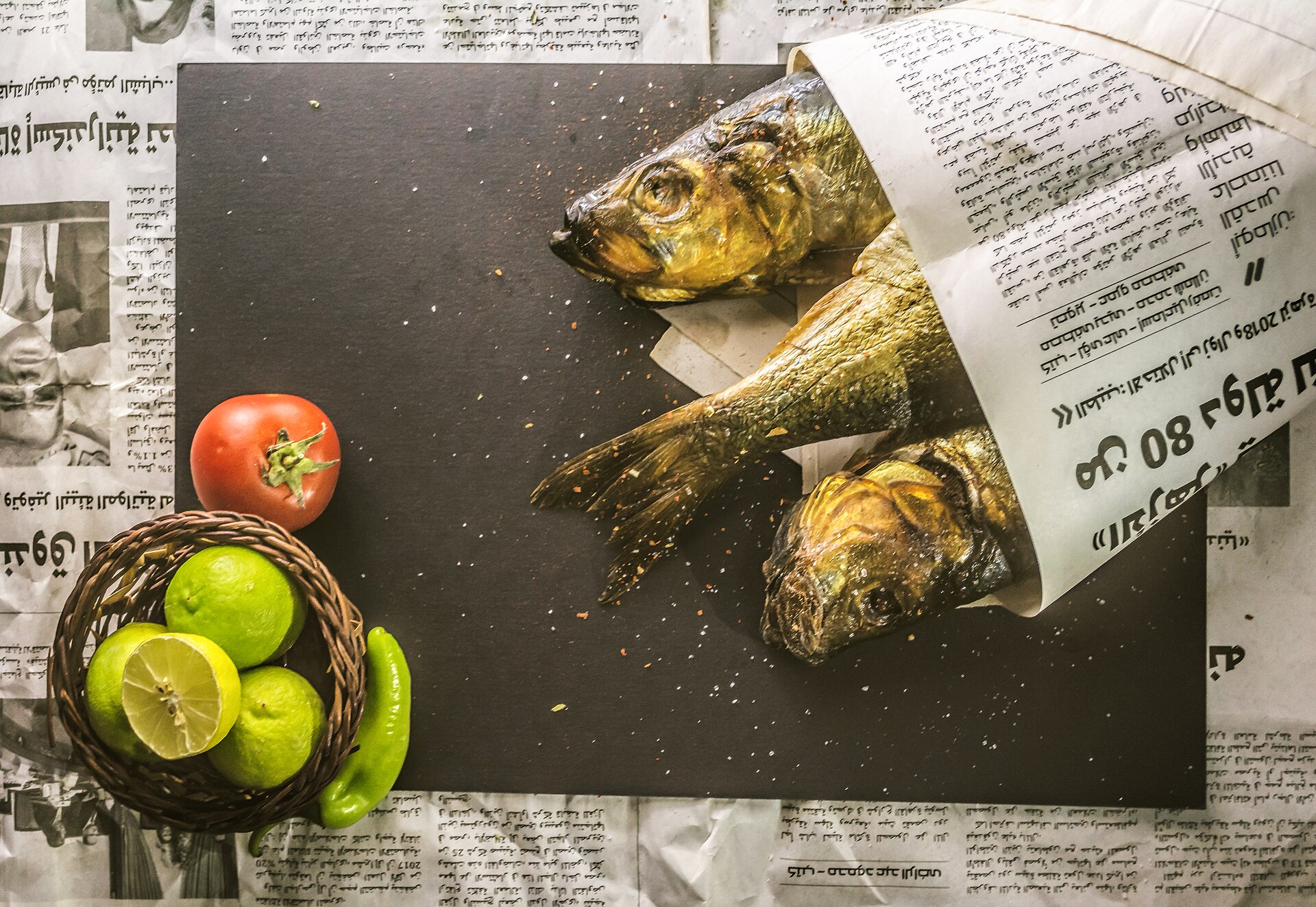
- fesikh, fermented salted mullet, the festival's signature dish;
- ringa, smoked herring, milder;
- hard-boiled eggs, painted by children the day before, a symbol of new life;
- spring onions and lettuce, with fresh chickpeas, the first vegetables of spring.
The smell of fesikh announces the festival across the country. Egypt's Ministry of Health has repeatedly warned about this fish ahead of the festival: poorly prepared, it can cause botulism, a serious poisoning, and the ministry advises avoiding it. Sabaro suggests travellers try the ringa and the eggs instead.
What it means for travellers
In 2027 the festival closes a long weekend: Saturday 1 May is Labour Day, Sunday 2 May Coptic Easter, Monday 3 May Sham el-Nessim.
- Book early for seaside hotels, on the Red Sea as on the Mediterranean coast, if you travel over this long weekend.
- Expect crowds in gardens, along the corniches and at the landing stages on the Monday. For a felucca trip, a boat booked in advance is better.
- Allow for the holiday: government offices and banks close, while restaurants, cafés and promenades are busier than ever.
It is also a good chance to see Egypt celebrating with no ceremony to follow and no ticket to buy: a late-afternoon walk along the Nile corniche in Cairo is enough to take it in.
In early May the heat sets in along the Nile Valley: in Cairo, the average maximum in May is about 32 °C, according to World Meteorological Organization (WMO) normals. In town, sightseeing is for the morning and strolling for the evening. Egypt is then on summer time (UTC+3), and the country is 1 hour ahead of Paris1 hour ahead of Brussels1 hour ahead of Geneva1 hour ahead of Luxembourg2 hours ahead of London2 hours ahead of Dublin1 hour ahead of Frankfurt1 hour ahead of Vienna1 hour ahead of Amsterdam1 hour ahead of Rome1 hour ahead of Madrid2 hours ahead of Lisbon1 hour ahead of Warsaw1 hour ahead of Prague1 hour ahead of Stockholm1 hour ahead of Copenhagen1 hour ahead of Oslothe same time as Helsinki.
Frequently asked questions
When is Sham el-Nessim in 2027?
Monday 3 May 2027, the day after Coptic Easter on Sunday 2 May. It is a public holiday throughout Egypt.
Is Sham el-Nessim a Christian festival?
Its date follows Coptic Easter, but the festival comes from ancient Egypt and has no religious character: Christians and Muslims celebrate it together.
Can you taste fesikh?
Egypt's Ministry of Health advises against this fermented fish because of the risk of botulism. Sabaro suggests sticking to ringa, the smoked herring, and the coloured eggs.
Are tourist sites open?
The day is a holiday for government offices and banks. If you plan a visit that day, Sabaro recommends checking opening hours with the site or your guide, and setting off early to avoid the crowds.