Rabat
Rabat, Morocco's capital on the Bouregreg estuary, has been UNESCO-listed since 2012 for its modern and historic city: the Kasbah of the Udayas, the Chellah, the Hassan Mosque and the new town of the 1910s to 1930s. For a calm, mild stop on the Atlantic coast between Tangier and Casablanca, or a golf stay.
A capital in four layers
Rabat is on UNESCO's World Heritage List (UNESCO is the United Nations Educational, Scientific and Cultural Organization, which keeps the list) as "Rabat, Modern Capital and Historic City: a Shared Heritage". The property covers nearly 350 hectares and brings together periods you visit side by side.
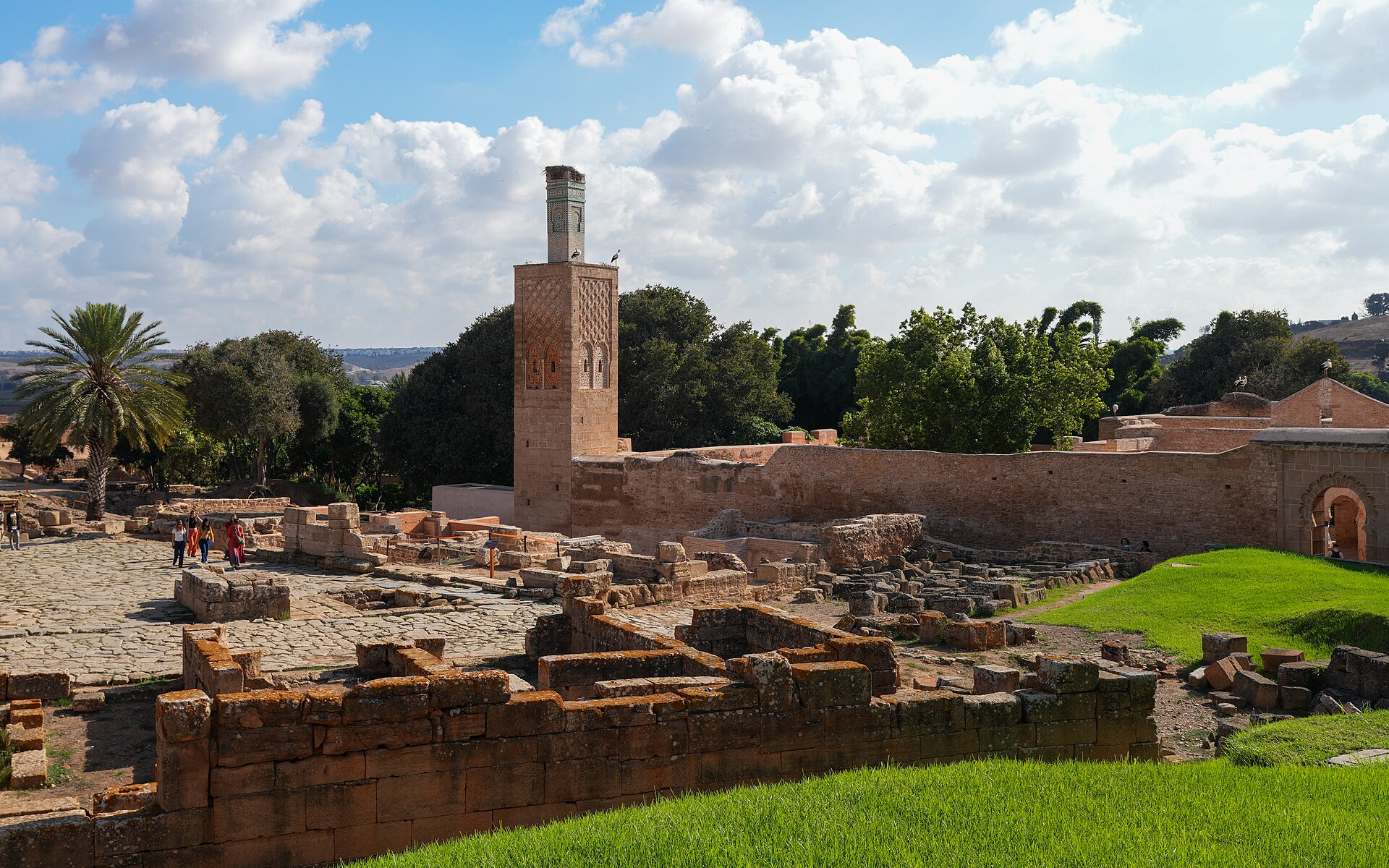
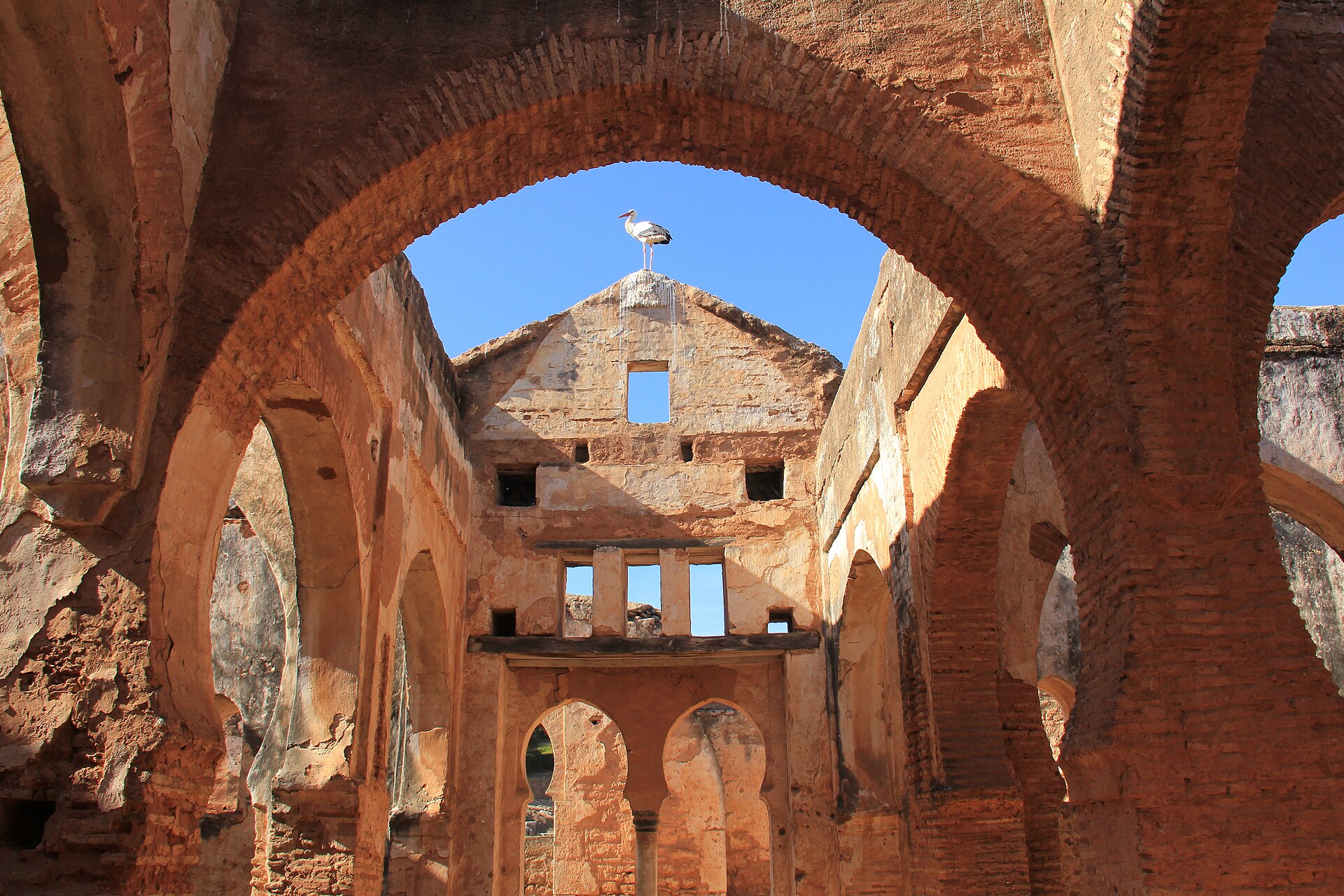
- Antiquity and the Marinids, at the Chellah. The site keeps the ruins of the Roman town of Sala Colonia; abandoned from 1154, it became the necropolis of the Marinids, completed in 1339 under Sultan Abu al-Hassan. It is also known for its storks. After major restoration it reopened to the public on 20 May 2024, with a new audio-guided route.
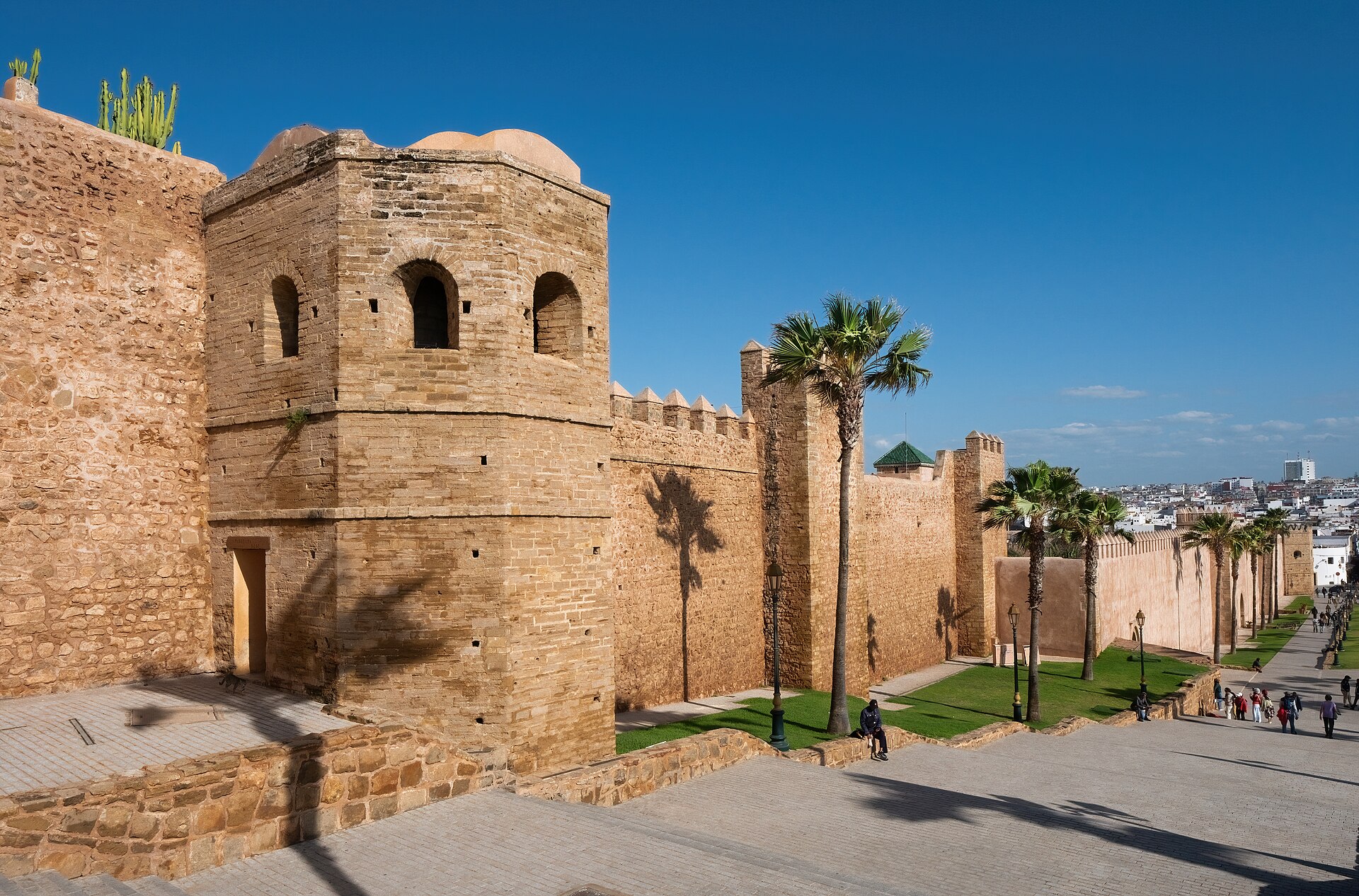
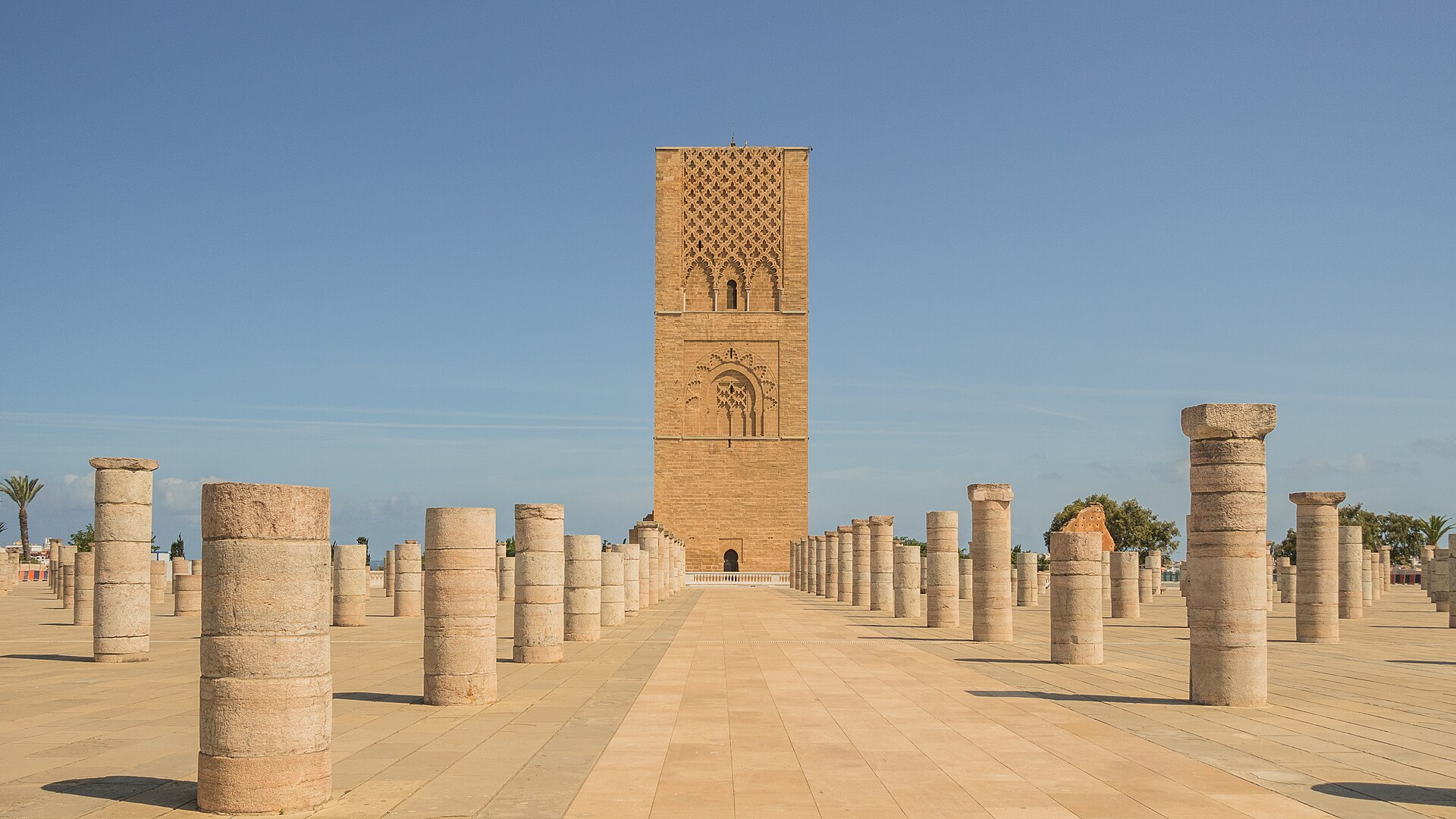
- The Almohads, in the 12th century. The Hassan Mosque, begun in 1184, and the Almohad ramparts and gates are, according to UNESCO, the only remains of a grand plan for a capital of the Almohad caliphate. The mosque was never finished: its minaret, the Hassan Tower, stops at 44 m, and the 1755 earthquake destroyed most of the colonnade. The Mohammed V Mausoleum, next to it, holds the tombs of Kings Mohammed V and Hassan II.
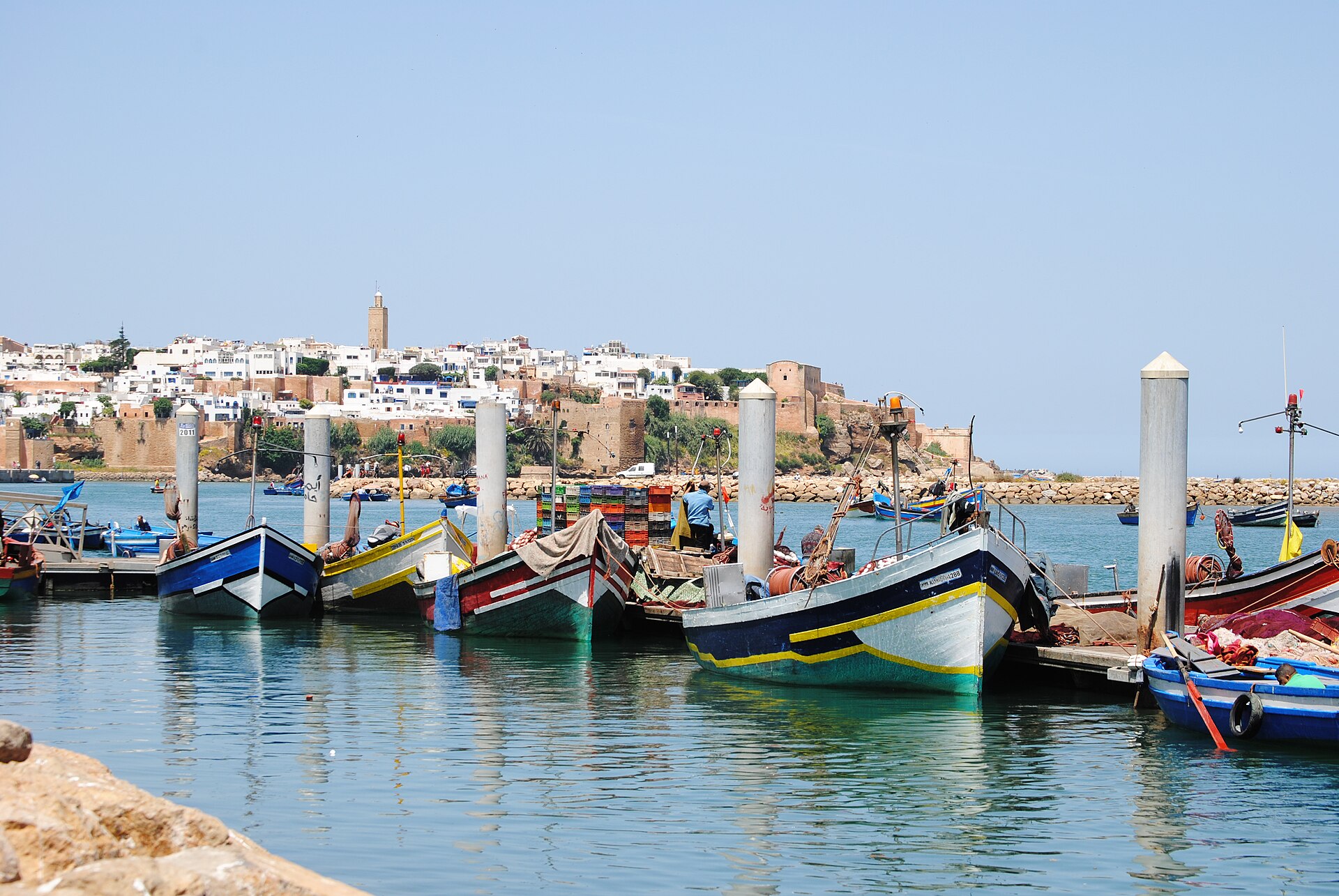
- The Kasbah of the Udayas and the medina, above the mouth of the Bouregreg, with remains of the 17th-century Morisco, or Andalusian, principality.
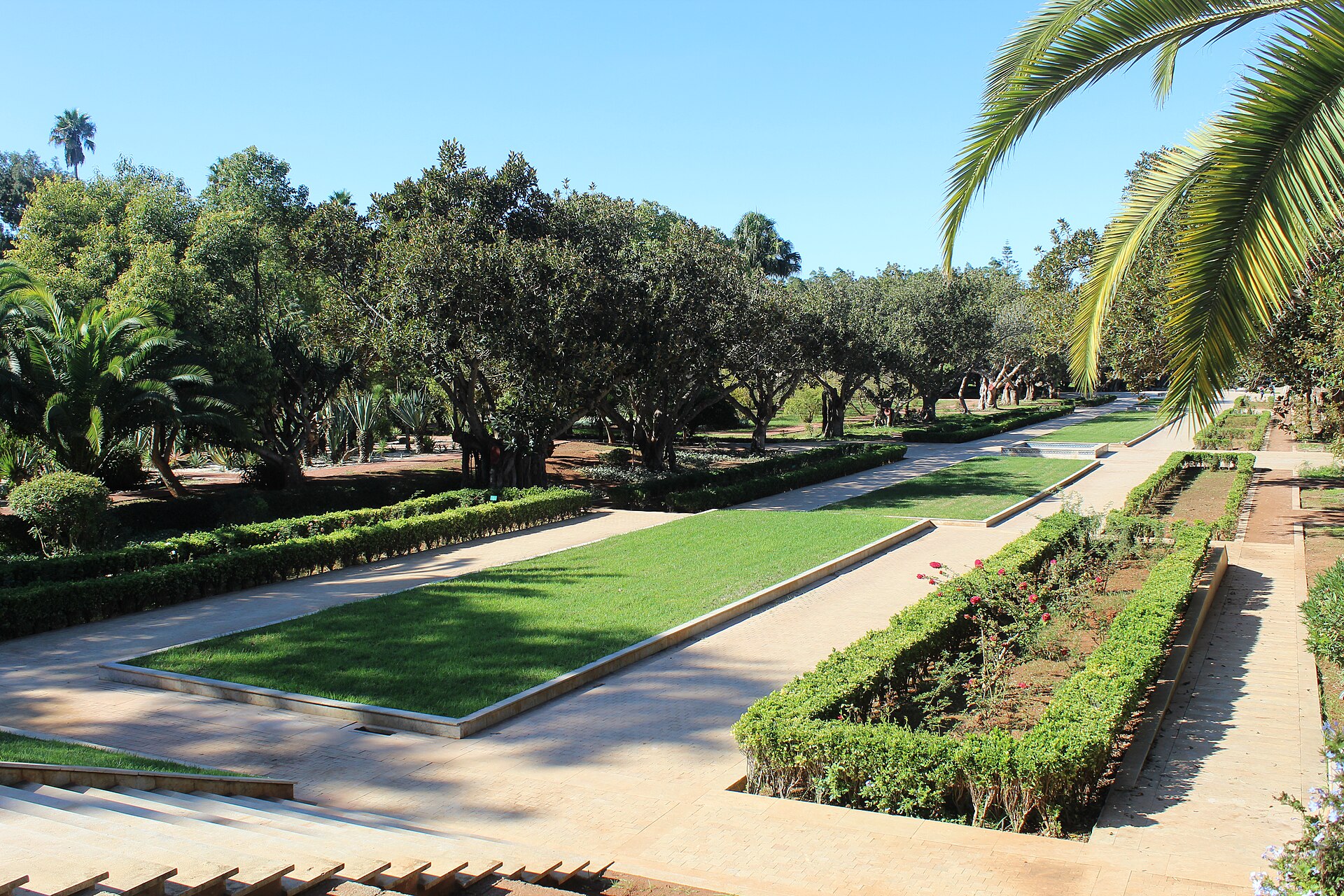
- The new town, designed and built under the French Protectorate from 1912 to the 1930s: the royal residence, administrations, residential and commercial districts, and the Jardin d'Essais botanical gardens. UNESCO considers it one of the largest and most ambitious urban projects of the 20th century in Africa, "probably the most complete". The neo-traditional Habous district of Diour Jamaâ is part of it.
This last layer is what makes Rabat unusual: its avenues, gardens and government buildings are heritage in the same way as the kasbah.
A walkable city, in one or two days
Sabaro considers Rabat the calmest of the imperial cities. The monuments are close to one another, and the city can be covered on foot, by tram or by petit taxi.
- Day one: the Kasbah of the Udayas in the morning, at the mouth of the Bouregreg, then the medina; in the afternoon, the Hassan Tower and the Mohammed V Mausoleum, and the Chellah at the end of the day.
- Day two: the new town and its museums, the Mohammed VI Museum of Modern and Contemporary Art and the Archaeological Museum; the Jardin d'Essais; and, with children, the Bouknadel exotic gardens, a few kilometres north.
In the evening, the Royal Theatre of Rabat, designed by the architect Zaha Hadid, opened to the public with its inaugural concert on 22 April 2026, after a first official inauguration in October 2024.
For a first look, a 3-hour private guided tour can be booked from €109.57 on Civitatis, an activity booking platform (price checked on 14 October 2026).
The mildest summer of the imperial cities
The ocean tempers Rabat. The World Meteorological Organization (WMO) 1991-2020 normals for the Rabat-Salé station give an average maximum of 27.8 °C in August, the hottest month. The temperature exceeds 35 °C on only 5 to 6 days a year on average, against 73 days in Marrakesh and 36 in Meknes. Rabat therefore works in summer, when the interior of the country is scorching.
Winter is wetter: from November to January, 80 to 95 mm of rain falls each month, over about 7 to 8 days, with maximums of around 17 to 21 °C. Sabaro recommends a rain jacket at that time of year.
Several events mark the year: the Mawazine world music festival, held in Rabat and Salé, whose latest edition ran from 19 to 27 June 2026; the Diamond League athletics meeting at the Olympic Stadium on 30 May 2027; and the Jazz au Chellah festival, held every year since 2005.
Where to stay: Souissi, golf or the ocean
The hotels in Sabaro's selection lie away from the historic centre, in two settings.
- The residential district of Souissi: the Sofitel Rabat Jardin des Roses, 229 rooms in Andalusian gardens, near the Royal Palace; the Ritz-Carlton Rabat Dar Es Salam, 117 rooms and suites, next to the Royal Golf Dar Es Salam. The golf club has 45 holes on three courses designed by Robert Trent Jones Sr. and hosts the Hassan II Trophy, whose 50th edition was played from 21 to 23 May 2026 on the Red Course.
- The south coast, at Harhoura: the Conrad Rabat Arzana, 120 ocean-view rooms and suites on Val d'Or beach.
From Souissi as from Harhoura, Sabaro recommends a car with driver or a taxi to reach the Udayas and the medina.
The crossroads of the north
Rabat is the natural base for a tour of northern Morocco.
- Tangier is 1 h 20 away by the Al Boraq high-speed train, from Rabat Agdal station; Rabat Ville station is served only by conventional trains.
- Casablanca is about 1 hour by road, or by train on Al Boraq and conventional services.
- Fez is 2 h 14 by road, with Meknes on the same motorway; traffic flows well on Rabat-Fez and Rabat-Tangier, and Rabat-Casablanca, the busiest, calls for care.
What to see
- Kasbah of the Udayas visitmorocco.com
- Chellah visitmorocco.com
- Hassan Tower and Mohammed V Mausoleum visitmorocco.com
- Mohammed VI Museum of Modern and Contemporary Art visitmorocco.com
- Jardin d'Essais, Bouknadel exotic gardens visitmorocco.com
When to go
Climate in Rabat
| Jan | Feb | Mar | Apr | May | Jun | Jul | Aug | Sep | Oct | Nov | Dec | |
|---|---|---|---|---|---|---|---|---|---|---|---|---|
| Max. (°C) | 17.4 | 18.2 | 20.2 | 21.2 | 23.6 | 25.6 | 27.2 | 27.8 | 26.6 | 24.8 | 21.1 | 18.6 |
| Sea (°C) | 17.3 | 16.7 | 16.8 | 17.7 | 19.3 | 21.0 | 22.4 | 22.9 | 22.4 | 21.5 | 19.8 | 18.4 |
Source: NOAA, normales climatiques 1991-2020 de l'OMM — WMO 1991-2020 normals, archived by NOAA, accessed 14 October 2026
Sea (°C): seatemperature.info — monthly mean surface temperature computed by the site over the last ten years, accessed 14 October 2026
Getting there
- Rabat-Salé airport (RBA); Casablanca 87.5 km and 1 h 03 visitmorocco.com
- Al Boraq high-speed train: Tangier in 1 h 20 visitmorocco.com
By air
| Airport | By road | Direct flights |
|---|---|---|
| Rabat–Salé (RBA) | 11 km, 0h16 |
|
| Casablanca Mohammed V (CMN) | 110 km, 1h21 |
|
| Fez–Saïss (FEZ) | 201 km, 2h26 |
|
Hotels chosen in the region
| Hotel | Category | Suits | Guest rating | Indicative price |
|---|---|---|---|---|
| Conrad Rabat Arzana | 5-star oceanfront hotel | Spa and wellness, Beach, Family, Surfing | 4,6/5 (Tripadvisor) | from 283 € per night |
| The Ritz-Carlton Rabat, Dar Es Salam | 5-star hotel with golf | Golf, Spa and wellness, Family | 4,7/5 (Tripadvisor) | from 456 € per night |
| Sofitel Rabat Jardin des Roses | 5-star hotel set in gardens | Spa and wellness, Family, Honeymoon, Surfing | 4,5/5 (Tripadvisor) | from 288 € per night |
Chosen activities
Upcoming events
- 18 November 2026 – 21 November 2026 Visa For Music in Rabat
- 30 May 2027 Mohammed VI International Athletics Meeting, Rabat
Read next
Frequently asked questions
How many days do you need in Rabat?
One day covers the Kasbah of the Udayas, the medina, the Hassan Tower and the Chellah. Sabaro recommends two days to add the museums, the Jardin d'Essais and an evening at the Royal Theatre.
Is Rabat a UNESCO World Heritage Site?
Yes, since 2012, as "Rabat, Modern Capital and Historic City: a Shared Heritage". The listing covers both the Protectorate new town, built from 1912 to the 1930s, and the older parts, including the Hassan Mosque, the Almohad ramparts and the Kasbah of the Udayas.
Can you visit the Chellah?
Yes. The site reopened to the public on 20 May 2024 after restoration, with an audio-guided route. You see the Roman ruins of Sala Colonia, the Marinid necropolis and the storks.
How do you get from Rabat to Tangier?
By the Al Boraq high-speed train, in 1 h 20 from Rabat Agdal station.
Is Rabat pleasant in summer?
Yes: it is the mildest of the imperial cities. The average maximum in August is 27.8 °C, and the temperature exceeds 35 °C on only 5 to 6 days a year.
A travel advisor replies by email. Free, no commitment.