Turtle nesting and hatching at Ras al Jinz
Ras al Jinz
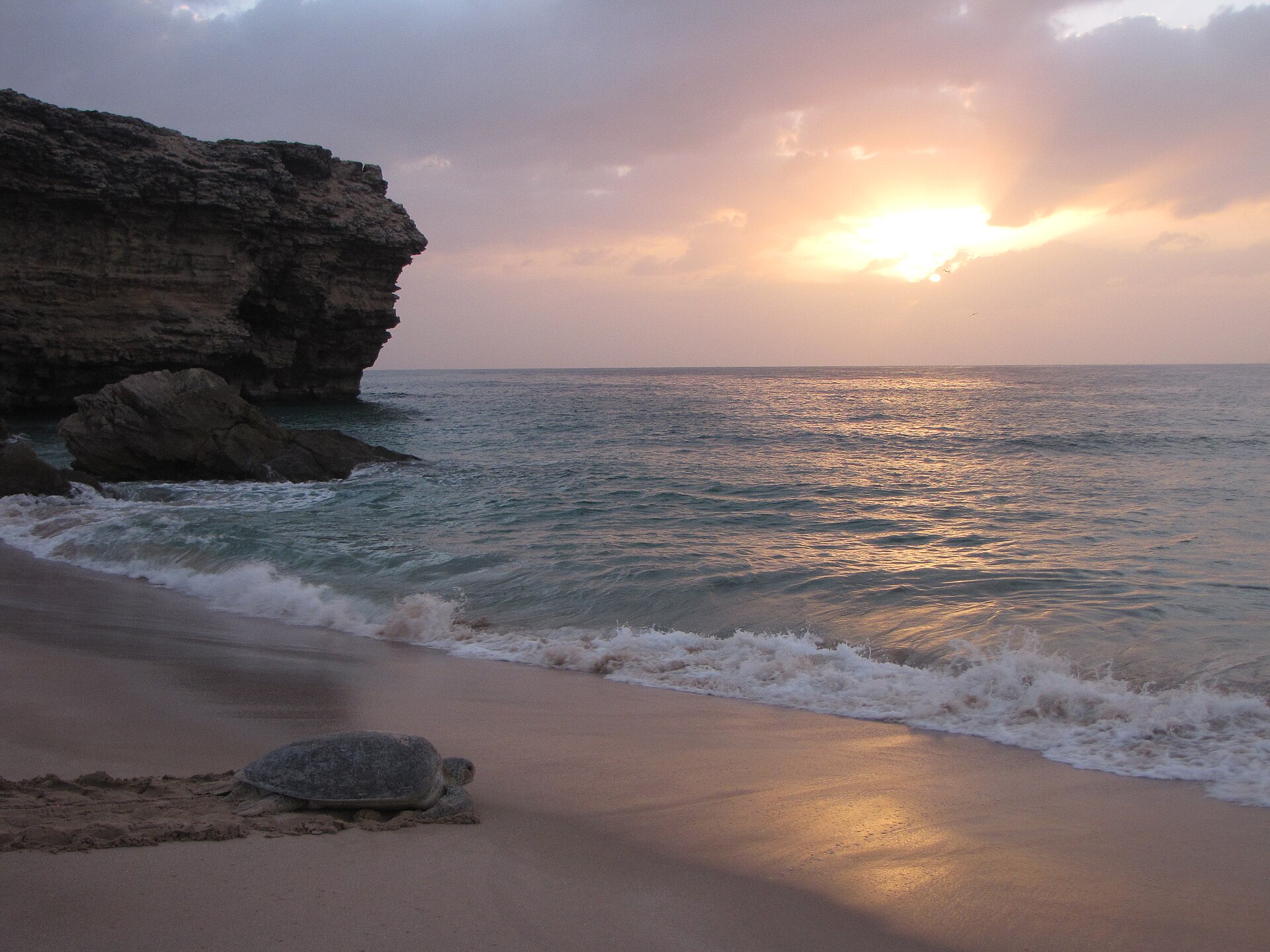
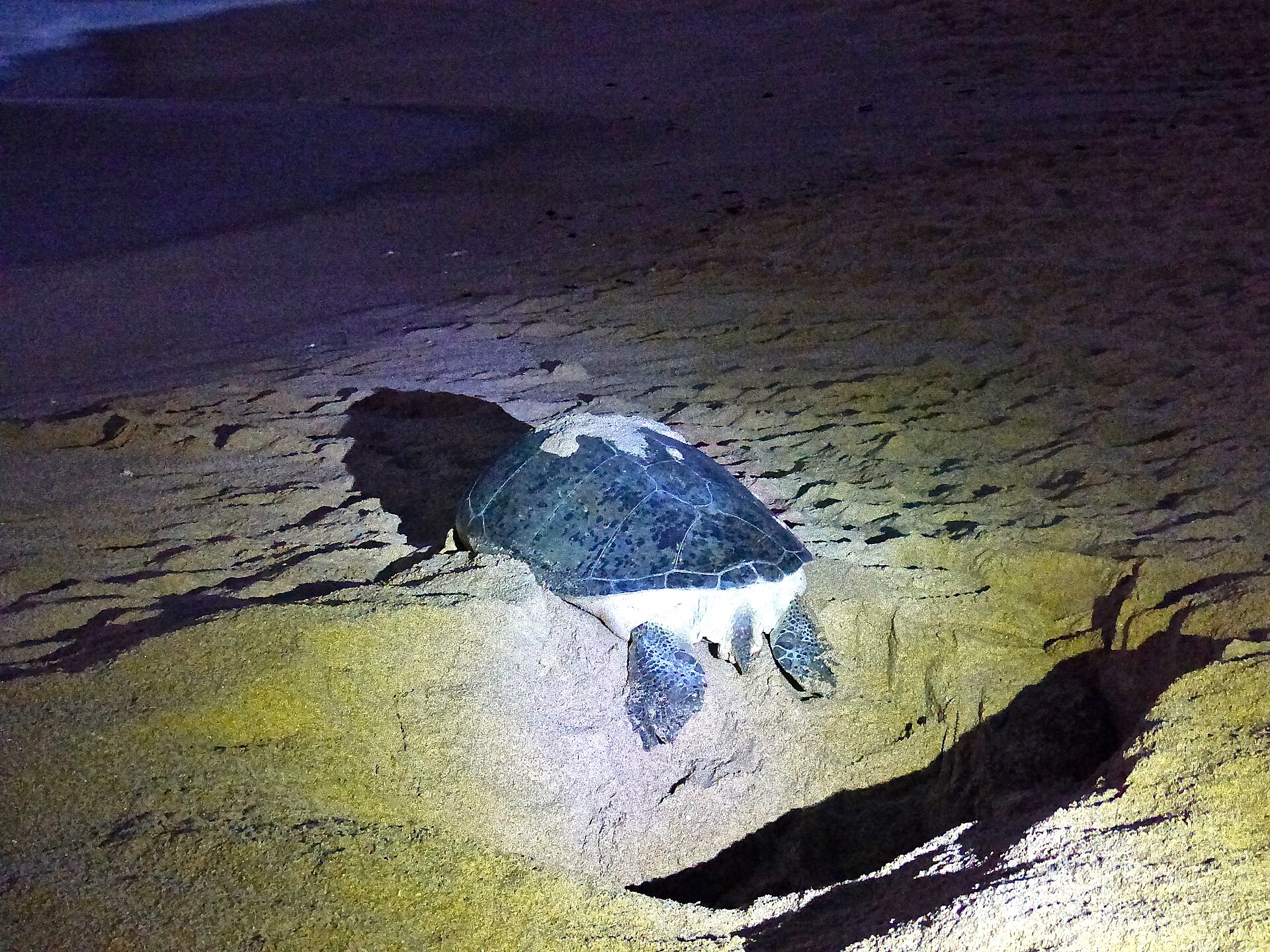
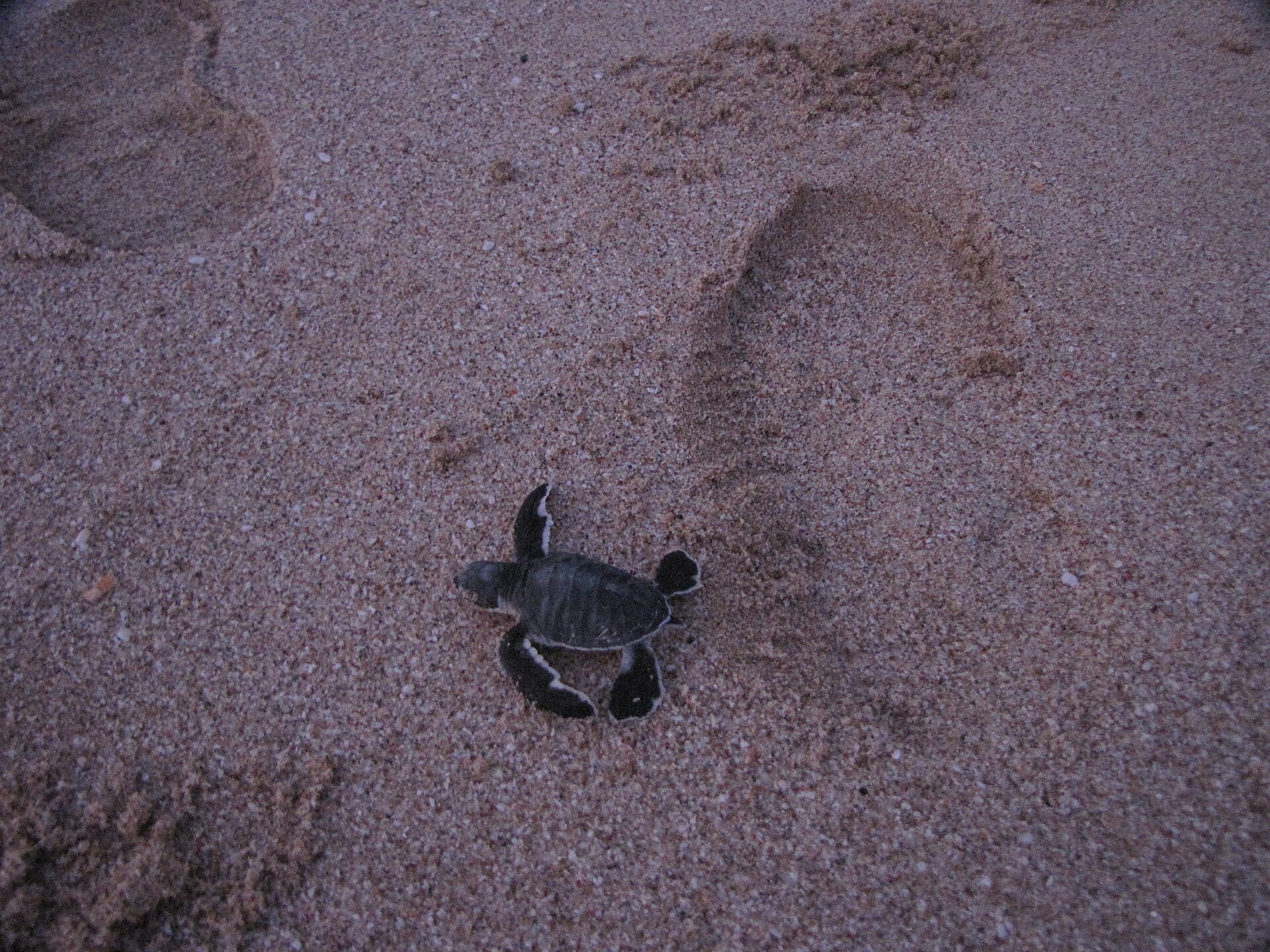
At Ras al Jinz, on the easternmost tip of Arabia, green turtles come ashore to nest all year round. The reserve puts the best hatching season from May to September. Guided viewings start at 9 pm and 5 am local time and cost 12 Omani rials per foreign adult.
Dates
- 1 May 2027 – 30 September 2027 — Best hatching season 2027 (nesting seen all year)
Source: Ras al Jinz Turtle Reserve (officiel) — accessed 20 October 2026
A year-round sight with a peak season
Ras al Jinz is the only place in Oman where turtle watching is allowed. Its beach, at the eastern tip of the Arabian Peninsula, is visited mainly by the endangered green turtle, and the reserve describes it as probably the most important nesting site for the species in the Indian Ocean. Four species nest in Oman: the green turtle, the olive ridley, the loggerhead and the critically endangered hawksbill.
Females come ashore to lay their eggs all year round. Two periods matter to visitors:
- hatching, whose best season the reserve places from May to September: this is the period shown here for 2027;
- nesting, busiest from June to October and quieter from November to May, according to a study by Sultan Qaboos University published in 2003.
From October to April, the best season for the rest of the country, you can still see turtles, but fewer of them.
The viewing
The reserve was created by royal decree in 1996 and its visitor centre opened in 2008. It is run by Omran, Oman's state tourism development company. Visitors go onto the beach with a reserve guide, twice a day:
| Viewing | Starts, local time | Arrive at the reserve |
|---|---|---|
| Evening | 9 pm | by 8:30 pm |
| Dawn | 5 am | by 4:45 am |
The reserve warns that times may change with the season, so reconfirm before you travel.
Foreign visitors pay 12 Omani rials per adult and 6 rials for children aged 6 to 12; under-6s go free. For guests staying at the reserve, both viewings, evening and dawn, are included in the room rate.
On the beach there are no flashes and no torches: the reserve lists camera flashes and car lights among the threats to the turtles. The centre's museum, open from 9 am to 8:30 pm, explains turtle life before you head out.
Summer at Ras al Jinz
The best hatching season falls in high summer. The reserve describes Ras al Hadd as comfortable all year, at 25 to 36 °C in summer; climate normals for Sur, 45 km away, show average highs close to 40 °C from May to July. As the viewings take place at night and at dawn, the heat is manageable, but daytime outings are best done early. Cyclones are possible in July and August.
Getting there and where to stay
Ras al Jinz is about 270 km from Muscat airport, roughly 3 hours 45 minutes by the coastal highway, and 45 km from Sur. Bimmah Sinkhole and Wadi Shab are on the way; the area is covered on the Sur and Ras al Jinz page.
The simplest option is to stay on site at the Ras al Jinz Turtle Reserve, in a Carapace room or an air-conditioned eco-tent: both viewings and breakfast are included. Rates start from around €230 a night in March 2027, including taxes, with any local taxes on top. The reserve also offers stargazing, dolphin trips and diving.
The turtle watching at Ras al Jinz guide has all the practical advice. Since the Iranian strikes in the Gulf, foreign ministries have not all given the same advice. Yours:
Your country's advice is shown in the box at the top of the page.
The Oman travel situation guide has the details.
Frequently asked questions
When can I see turtle hatchlings at Ras al Jinz?
The reserve puts the best season from May to September. Nesting can be seen all year, most of all from June to October.
How much does the viewing cost?
12 Omani rials per foreign adult, 6 rials for ages 6 to 12, free under 6. It is included for guests of the reserve.
What time are the viewings?
At 9 pm and 5 am local time; be at the reserve by 8:30 pm or 4:45 am.
Can I see turtles elsewhere in Oman?
No. Ras al Jinz is the only legal turtle-watching site in the country.
Can I take photos?
Without flash or torch: the reserve lists artificial light among the threats to the turtles.